Seeing His World / Freed-Hardeman University
2nd Annual Seminar at Sea
Can the Bible Be Treated as Reliable History?
What Archaeology and Textual Evidence Say About the Claims of
Scripture
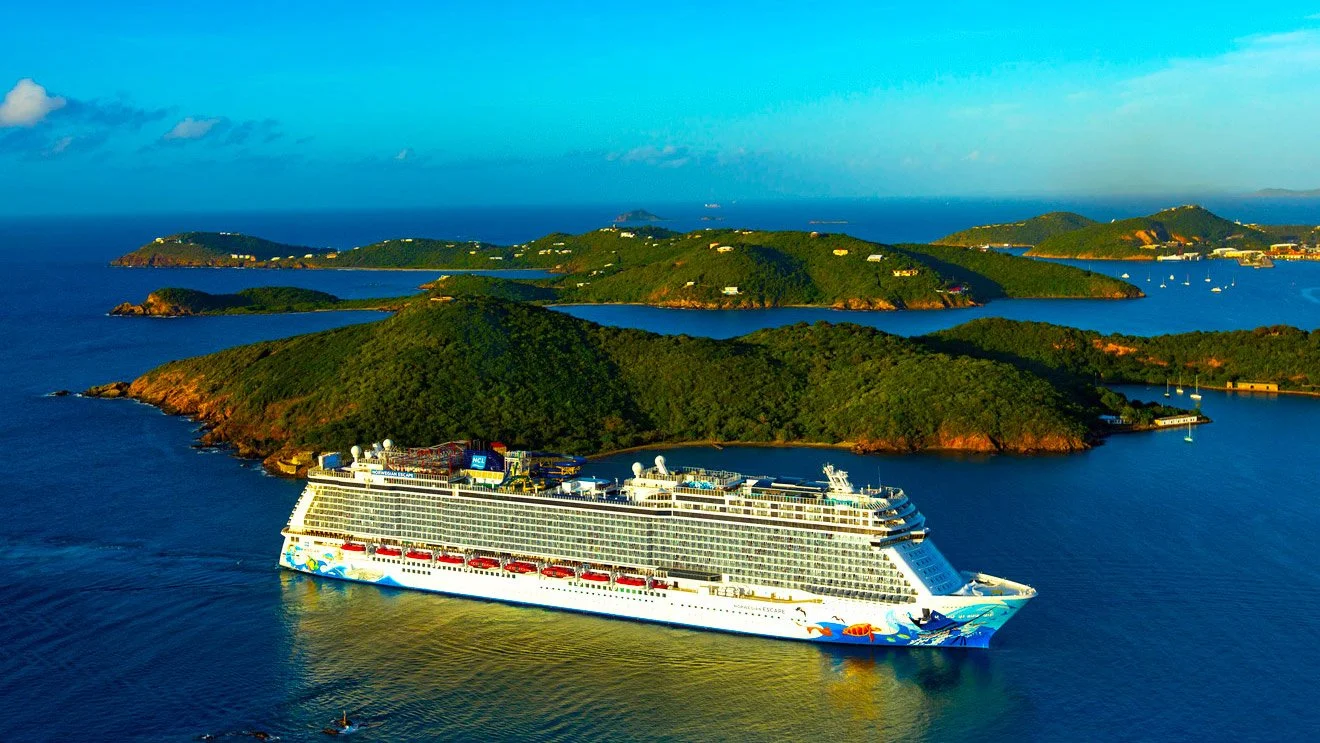
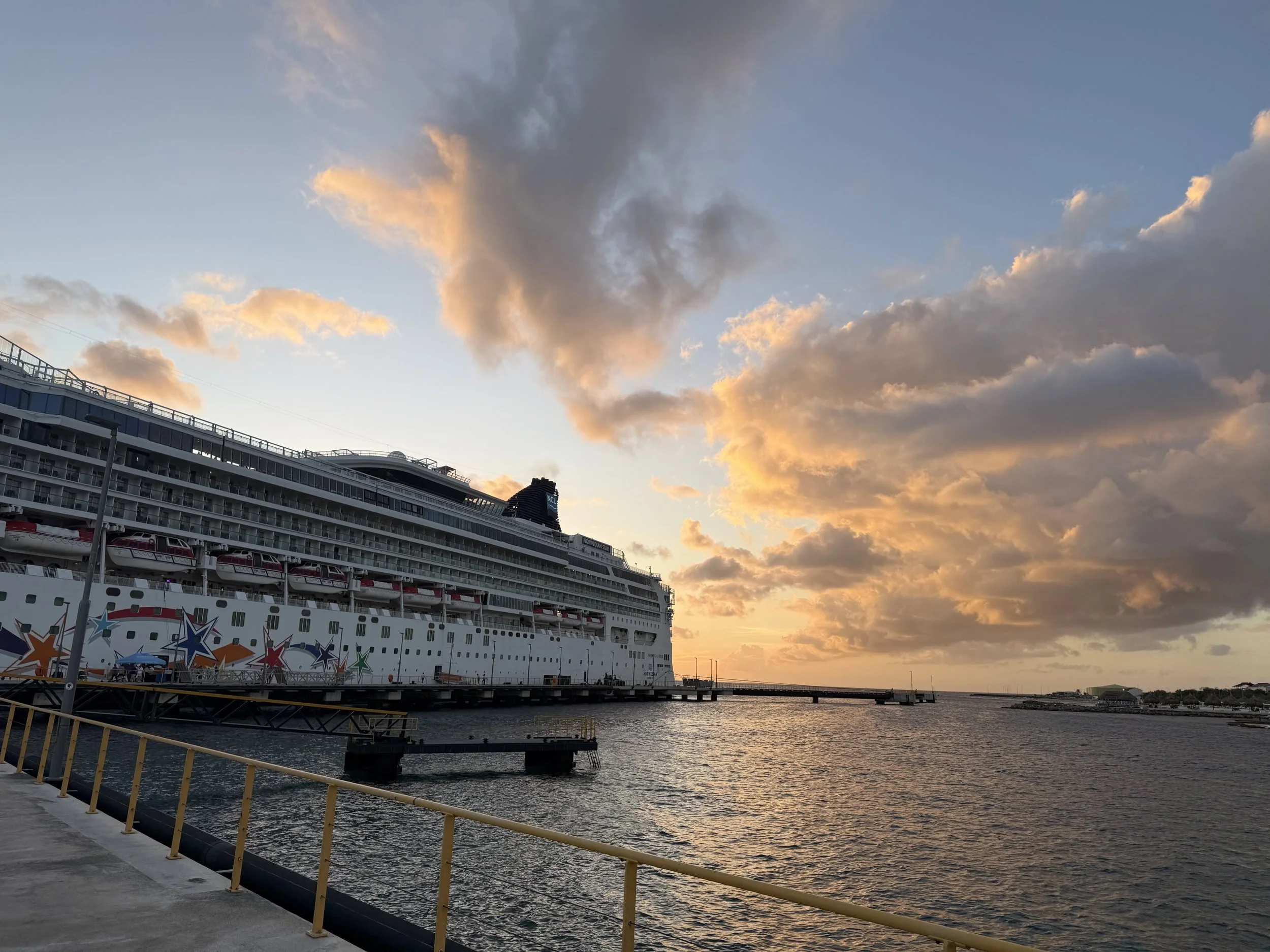
Norwegian Escape | January 6–15, 2027
9-Night Caribbean Cruise • Roundtrip Port Canaveral
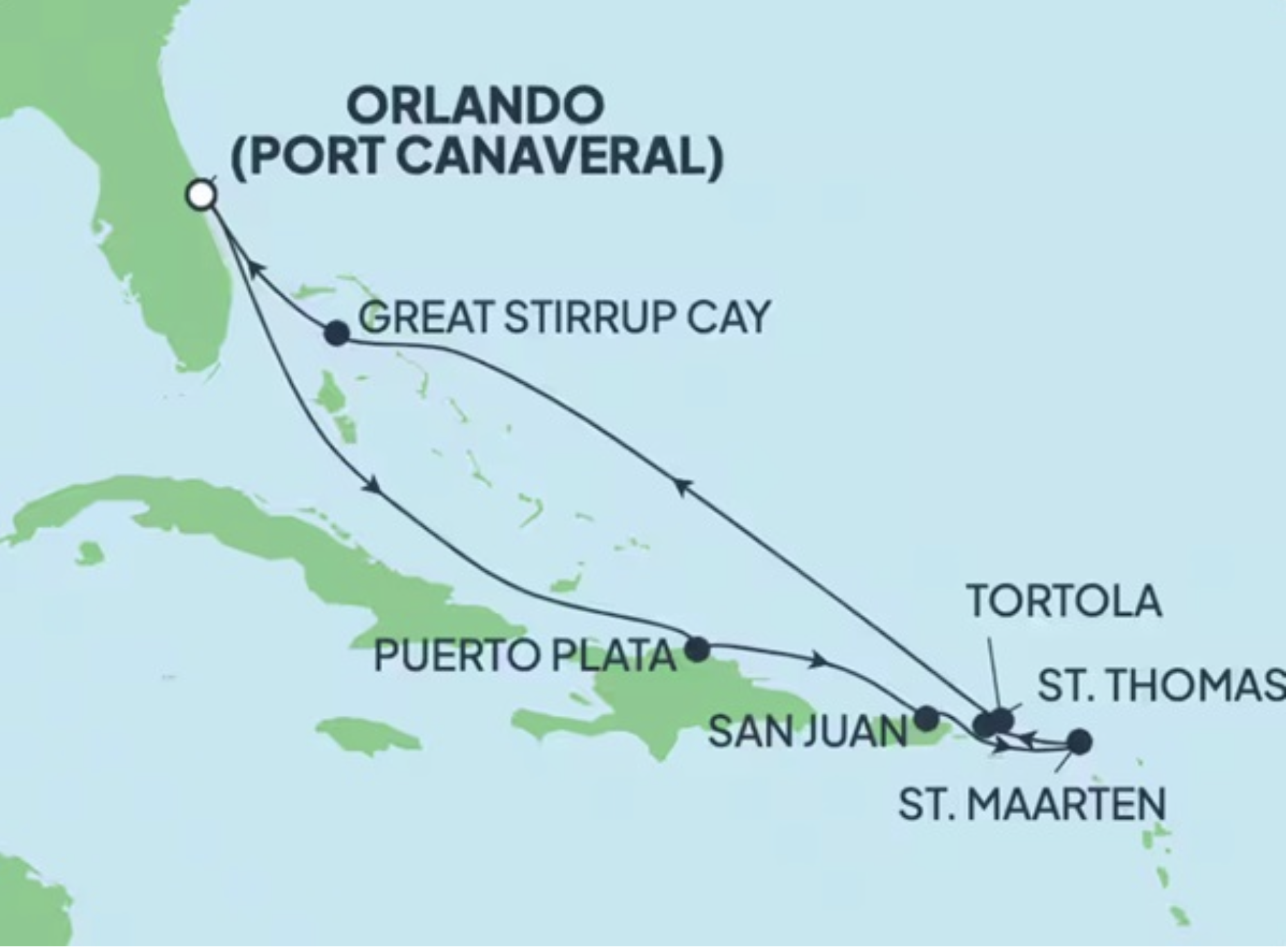
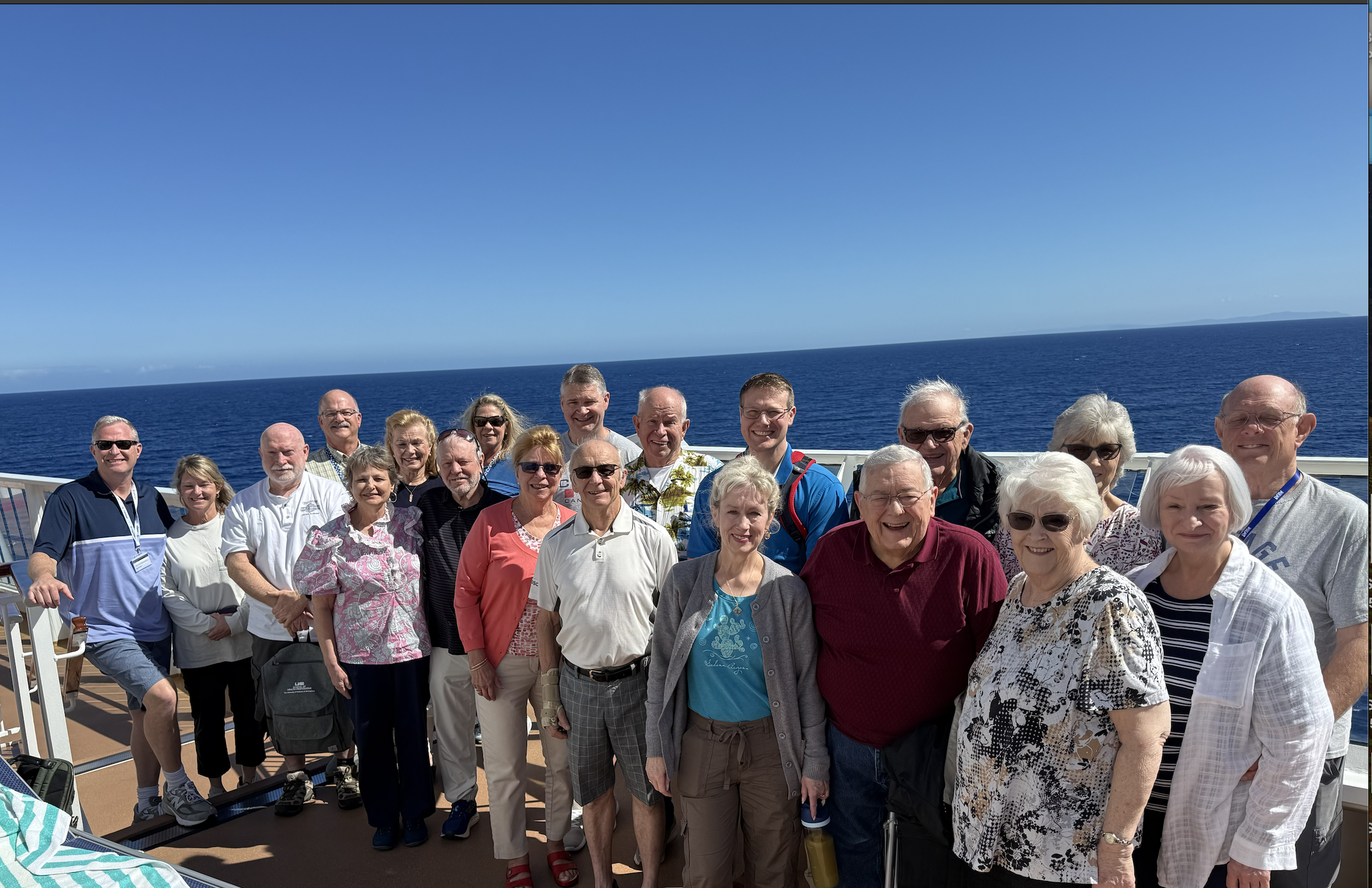
Ports Of Call
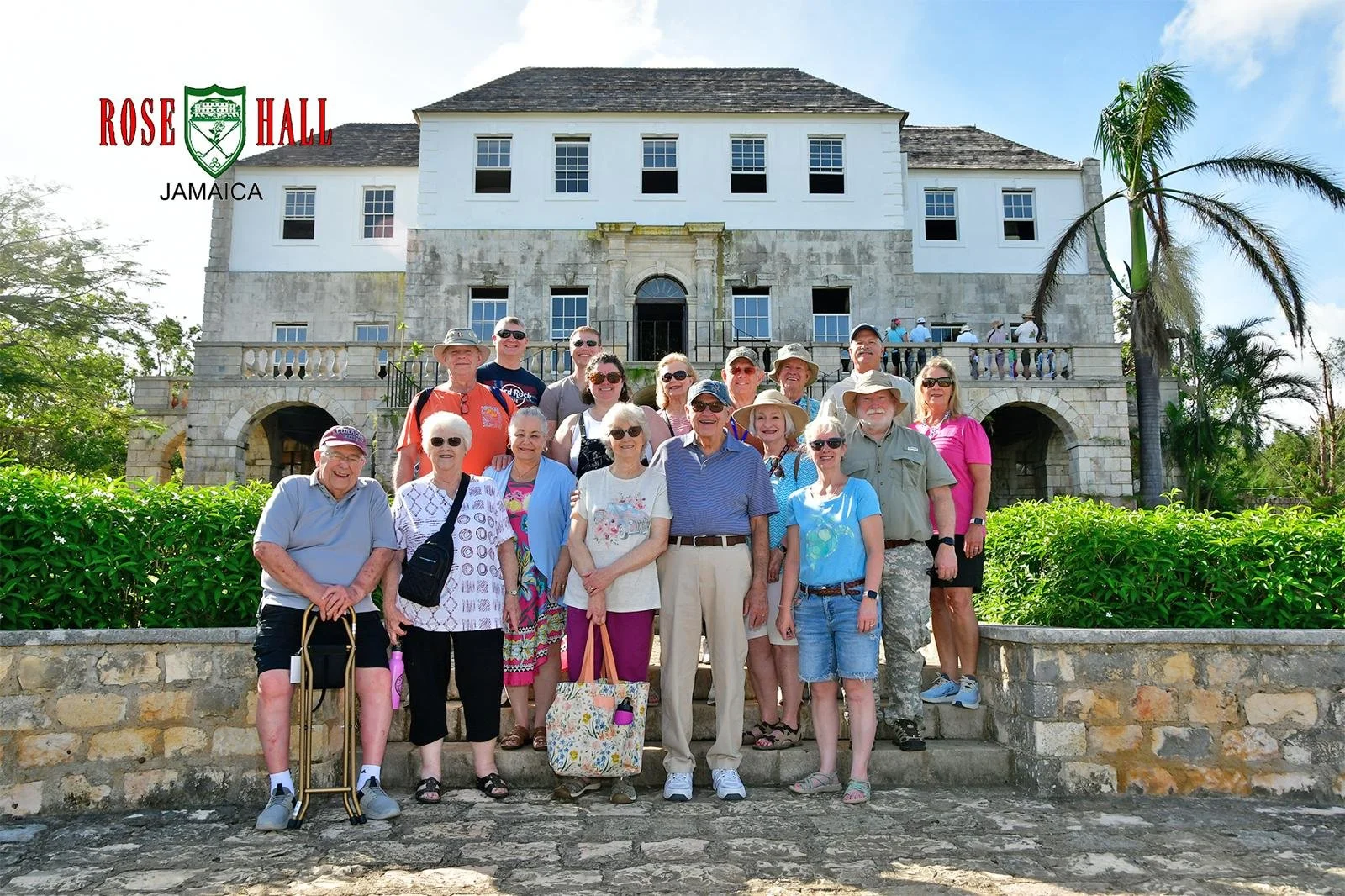
Puerto Plata (Dominican Republic) • San Juan (Puerto Rico) • St. Maarten • St. Thomas (U.S. Virgin Islands) • Tortola (British Virgin Islands) • Great Stirrup Cay (Bahamas)
Optional shore excursions available through Norwegian Cruise Line.
Sail And Learn With Us
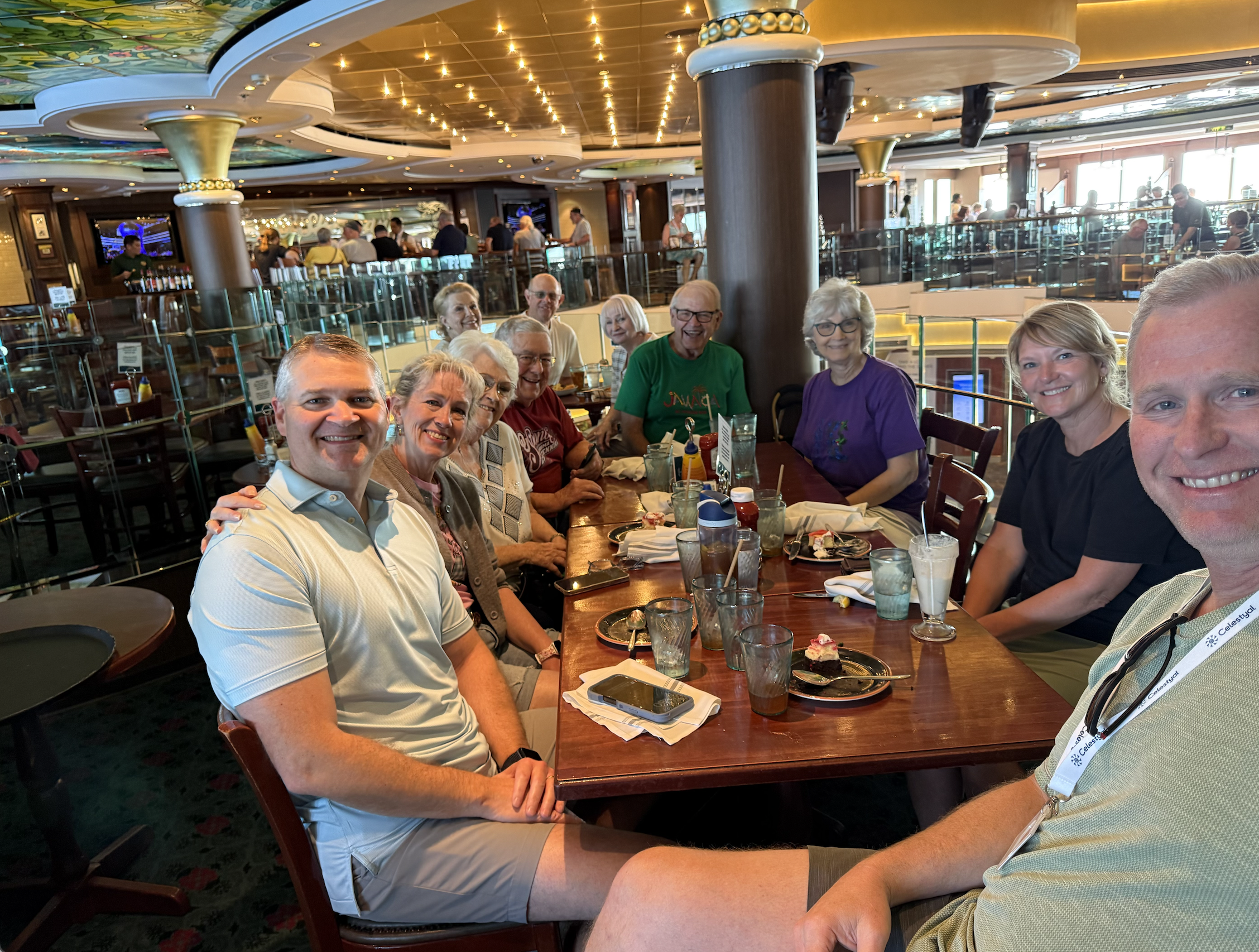
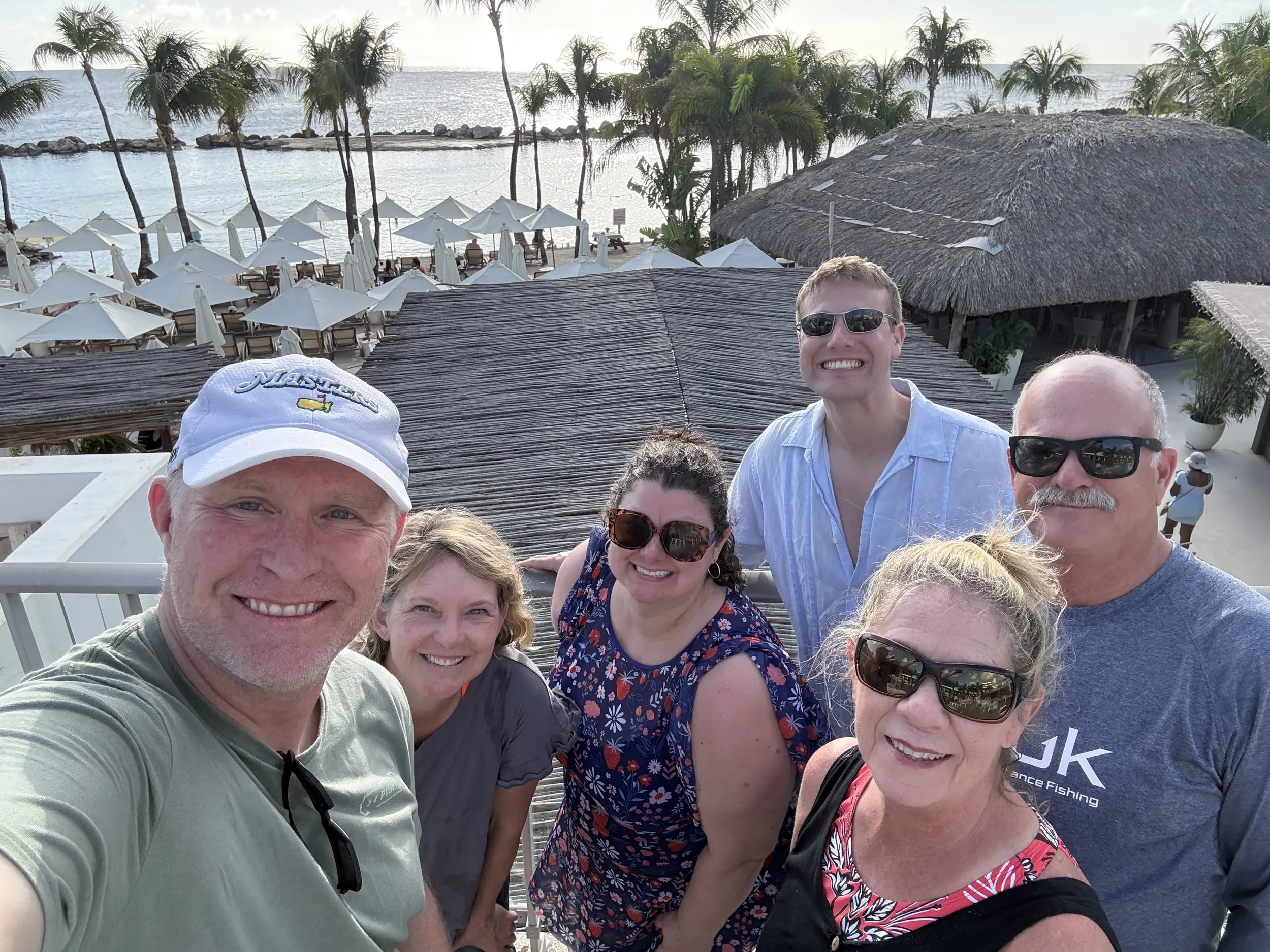
Set sail January 6–15, 2027 with Seeing His World and Freed-Hardeman University aboard the Norwegian Escape for the 2nd Annual Seminar at Sea—a Caribbean cruise built around sun, travel, deep Bible learning, and lasting friendships.
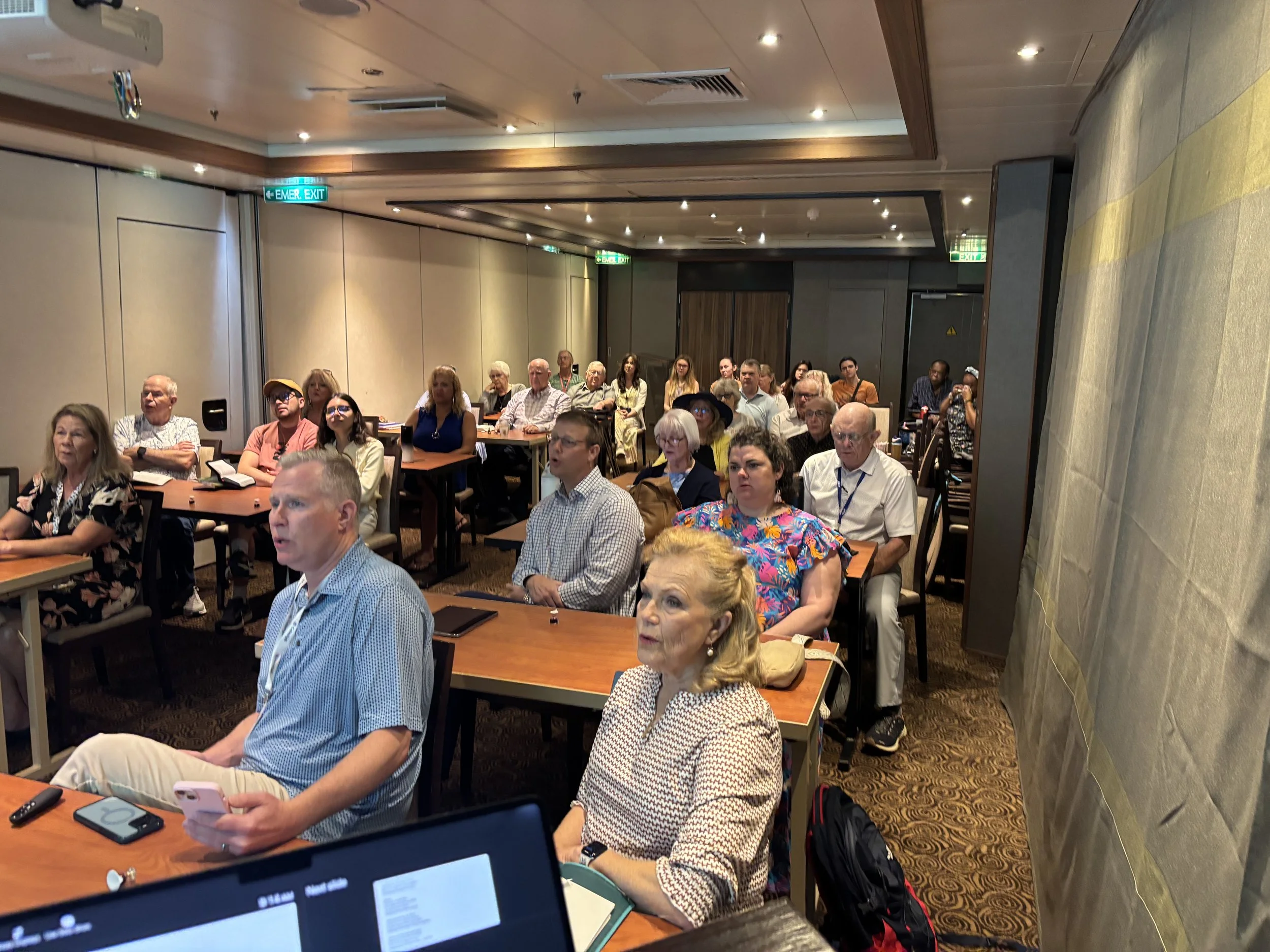
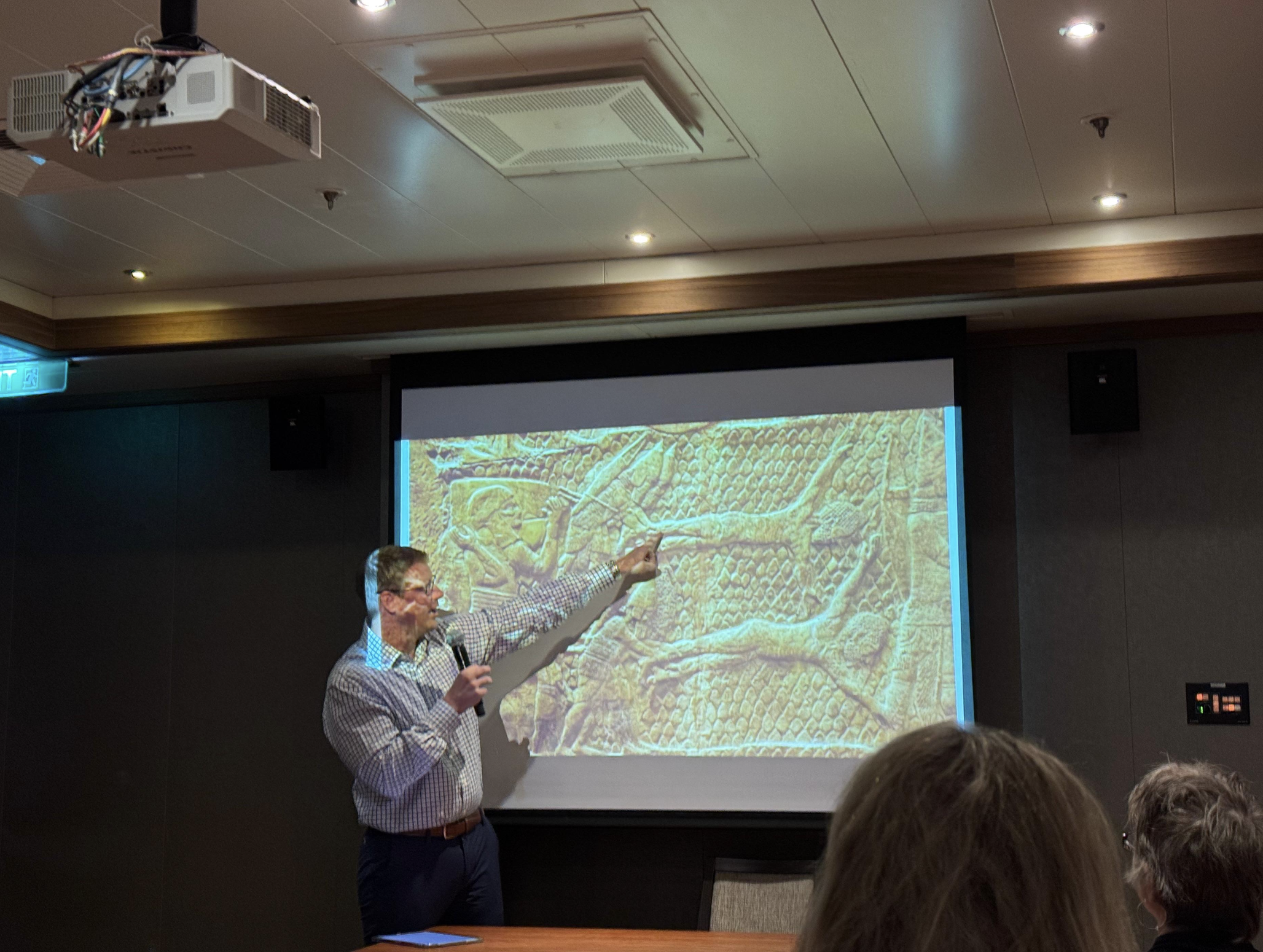
Led by Dr. Jonathan Moore and Dr. Justin Rogers, the seminar includes 10 in-depth lectures exploring the historical claims of the Bible, the life of Jesus, and the latest discoveries in biblical archaeology. These lectures are scheduled to enhance the cruise experience—not compete with it—leaving plenty of time to enjoy the ship, the ports, and time together.
If you love deep Bible study, staying current with the latest in the world of the Bible and archaeology, and making friendships that last long after the cruise ends, you will love this unforgettable Seminar at Sea. The cruise-based format also makes this an excellent option for those who prefer a less physically demanding way to travel while still enjoying rich destinations and meaningful learning.
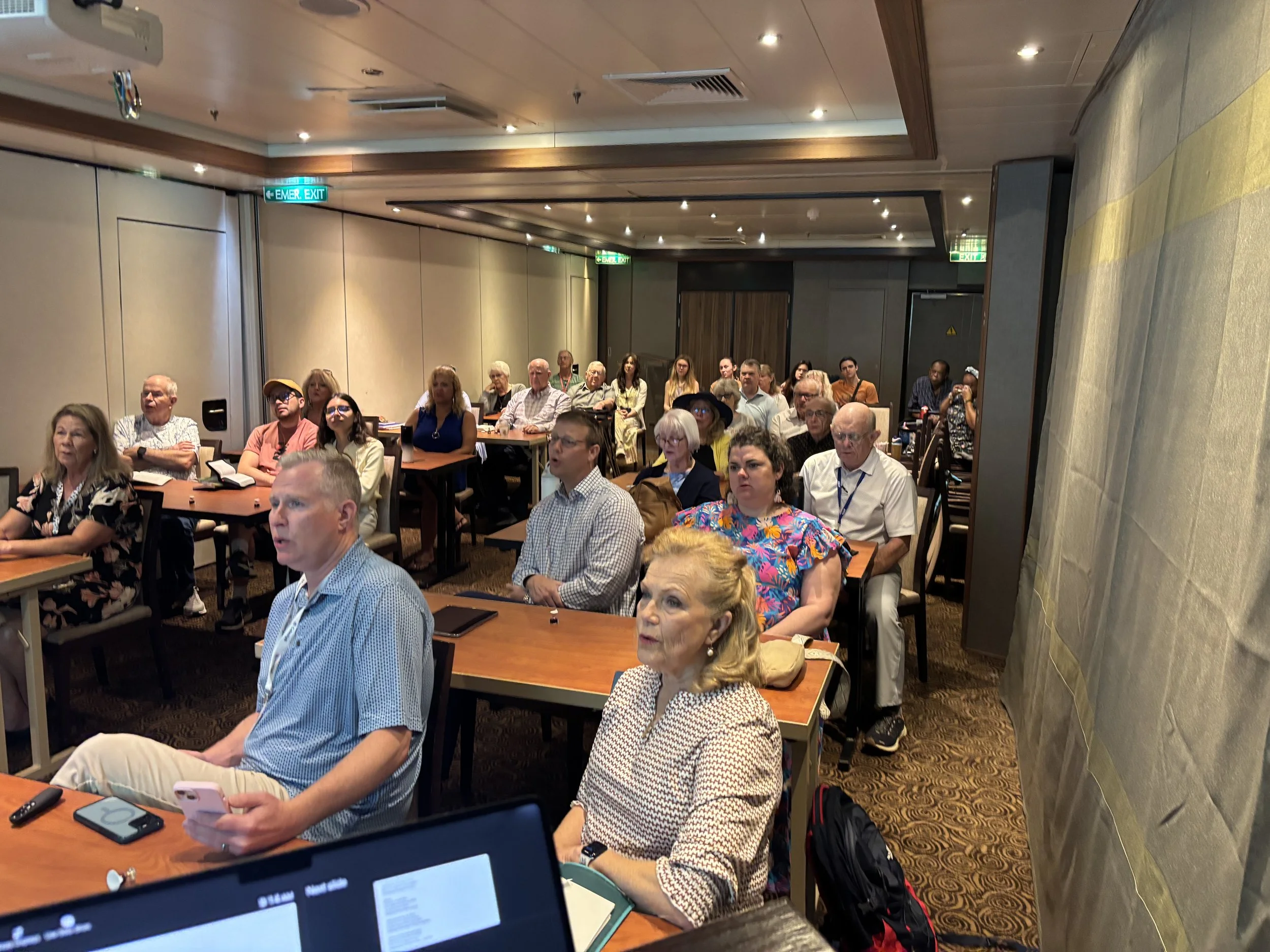
Seminar Sessions (10 total)
Session 1 – Chronology & Textual Foundations
Seminar Sessions (10 Total)
Session 1 – Chronology & Textual Foundations
When the Old Testament Happened — Chronology, Kings and the Flow of Biblical History (Jonathan Moore, DPM, PhD)
From Herod to Paul — The Historical Timeline of the New Testament World (Justin Rogers PhD)
Session 2 – Archaeology as Evidence
Archaeology and the Old Testament — What the Ground Confirms — and What it Corrects (Jonathan Moore, DPM, PhD)
Archaeology and the New Testament — Material Evidence from Jesus to the Early Church (Justin Rogers PhD)
Session 3- Jerusalem & the Monarchy
Jerusalem Beneath the Bible — Excavating the City that Shaped Scripture (Jonathan Moore, DPM, PhD)
King David: History Not Legend — Text, Archaeology & the Monarchy (Justin Rogers, PhD)
Session 4- Text, Scrolls & Transmission
The Dead Sea Scrolls — What they Actually Tell Us About the Bible (Justin Rogers, PhD)
What Does Archaeology Tell Us About the New Testament’s Historical Claims? — Material Evidence for Jesus and the Reliability of the Gospel Accounts (Jonathan Moore, DPM, PhD)
Session 5- Case Studies in Historicity
David and Goliath in Context — Philistines, Weapons, and Historical Reality (Justin Rogers, PhD)
The Crucifixion of Jesus — Roman Execution, Archaeology, and the Gospel Accounts (Jonathan Moore, DPM, PhD)
Cruise Pricing (Per Person, Double Occupancy)
Call Adventure Therapy Travel to get best pricing for either an Inside, Balcony or Mini-Suite cabin.
Seeing His World travel partner, Adventure Therapy Travel, will match or beat Norwegian’s lowest price at the time of booking.
Deposit: $125 per person
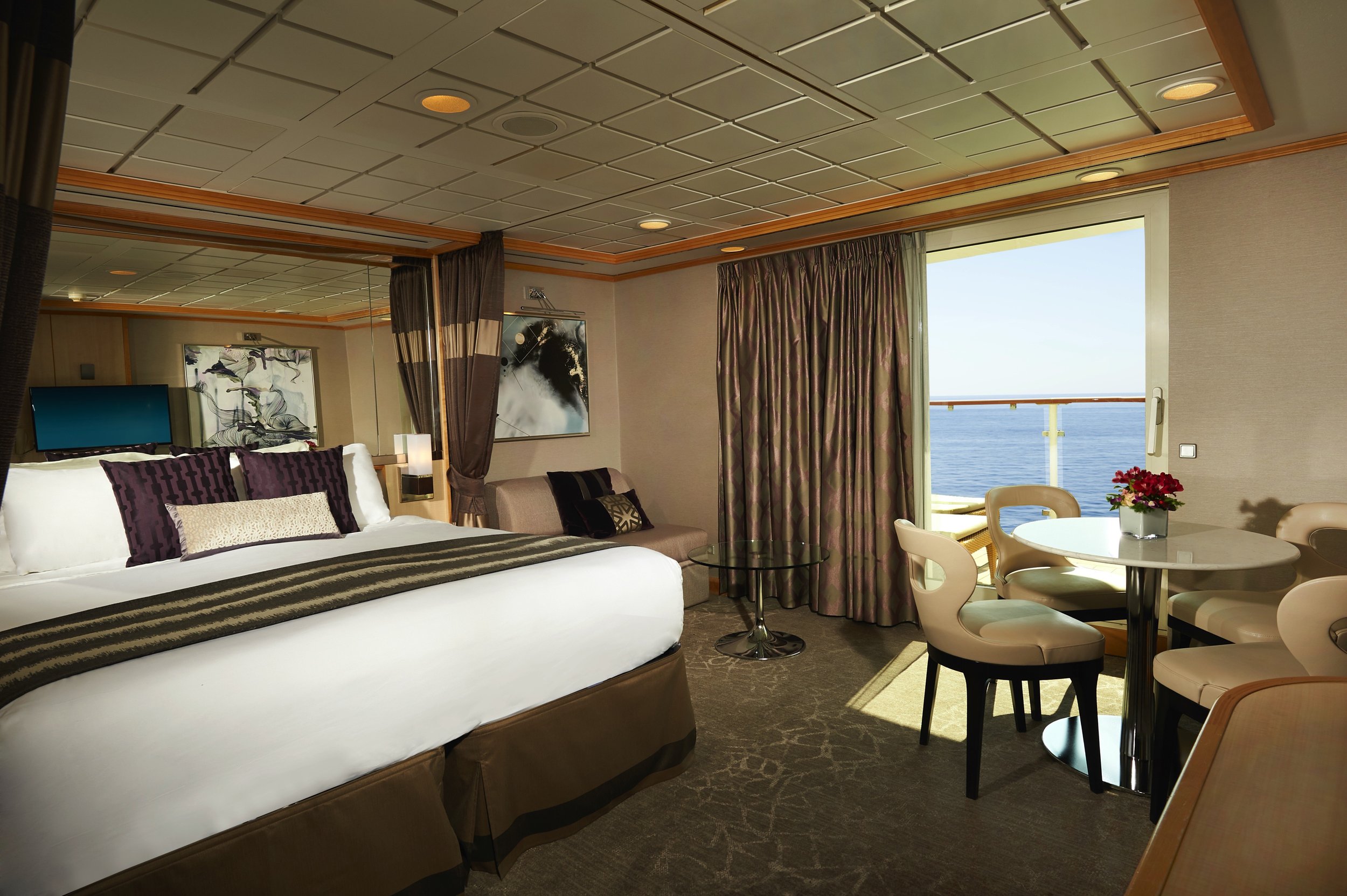
Official cabin types for the Norwegian Escape:
Inside
Studio (Solo)
Oceanview
Balcony
Spa Balcony
Club Balcony Suite (Mini-Suite)
Spa Club Balcony Suite
The Haven® (Luxury Suites):

Seminar Registration
$200 seminar fee per person (FREE for students).
Seminar registration is payable to Moore Discipleship Missions, a registered 501(c)(3) nonprofit organization.
Seminar fees may be tax-deductible as permitted by law.
This Seminar at Sea is conducted as part of the ministry of Seeing His World, a division of Moore Discipleship Missions (501(c)(3)).
Booking & Travel Information
Courtney Vines, CTA
Adventure Therapy Travel
Phone: (662) 891-1943
www.adventuretherapytravel.com
*Cruise pricing does not include gratuities, amenity packages, internet access, or additional onboard purchases.
* Flights to Port Canaveral will arrive at and depart from Orlando International Airport (MCO). Pre-cruise hotel accommodations and transportation to the Port Canaveral cruise terminal can be arranged through Adventure Therapy Travel.
Things to do on the Norwegian Escape:
https://www.familyvacationhub.com/family-cruises/things-to-do-on-the-norwegian-escape.html

Seminar Lecturers:

Dr. Jonathan Moore
Dr. Jonathan Moore is a practicing physician and surgeon with master’s degrees in Education and Biblical Studies, as well as a Ph.D. in Old Testament Studies. He also serves as an adjunct professor of archaeology at the Freed-Hardeman University Graduate School of Theology.
Together with his wife, Kim, Dr. Moore founded Seeing His World, a ministry of Moore Discipleship Missions, a 501(c)(3) nonprofit organization, dedicated to bringing the world of the Bible to life through travel, archaeology, history, and biblical education. Their mission is to help others deepen their understanding of Scripture, strengthen their faith, and discover the remarkable historical and archaeological evidence that illuminates the biblical text.
Dr. Moore is a regular contributor to Apologetics Press, Bible and Spade, and numerous professional journals and publications in the fields of medicine, archaeology, and biblical studies. His passion for biblical history and archaeology has taken him throughout the lands of the Bible, where he enjoys connecting the discoveries of the ancient world with the timeless truths of Scripture.
Jonathan and Kim have been married for 32 years and are blessed with three children—Gabrielle, Audrey, and Jonathan—and three grandchildren: Phoebe, Galilee, and Phillip.

Dr. Justin Rogers
Dr. Justin Rogers, Dean of the College of Biblical Studies at Freed-Hardeman University since 2023, has been a dedicated member of the FHU Bible faculty since 2010. He began his tenure as an instructor in Bible before becoming Director of the Graduate School of Theology in 2018. As an Associate Professor of Biblical Studies, he has taught over 25 undergraduate and graduate courses on the Bible, ancient Judaism, and early Christianity. His scholarly contributions include more than 250 published works, reflecting his engagement in both academic and church-related discourse.