
Exodus, Conquest & Kingdom Tour
Israel • Mount Sinai • Petra
May 16-29, 2027
A 14-Day Signature Biblical Study Tour
Following the unfolding story of redemption — from the Exodus and the giving of the Law, through Israel’s conquest and kingdom, to the fulfillment of God’s promises in the Messiah.
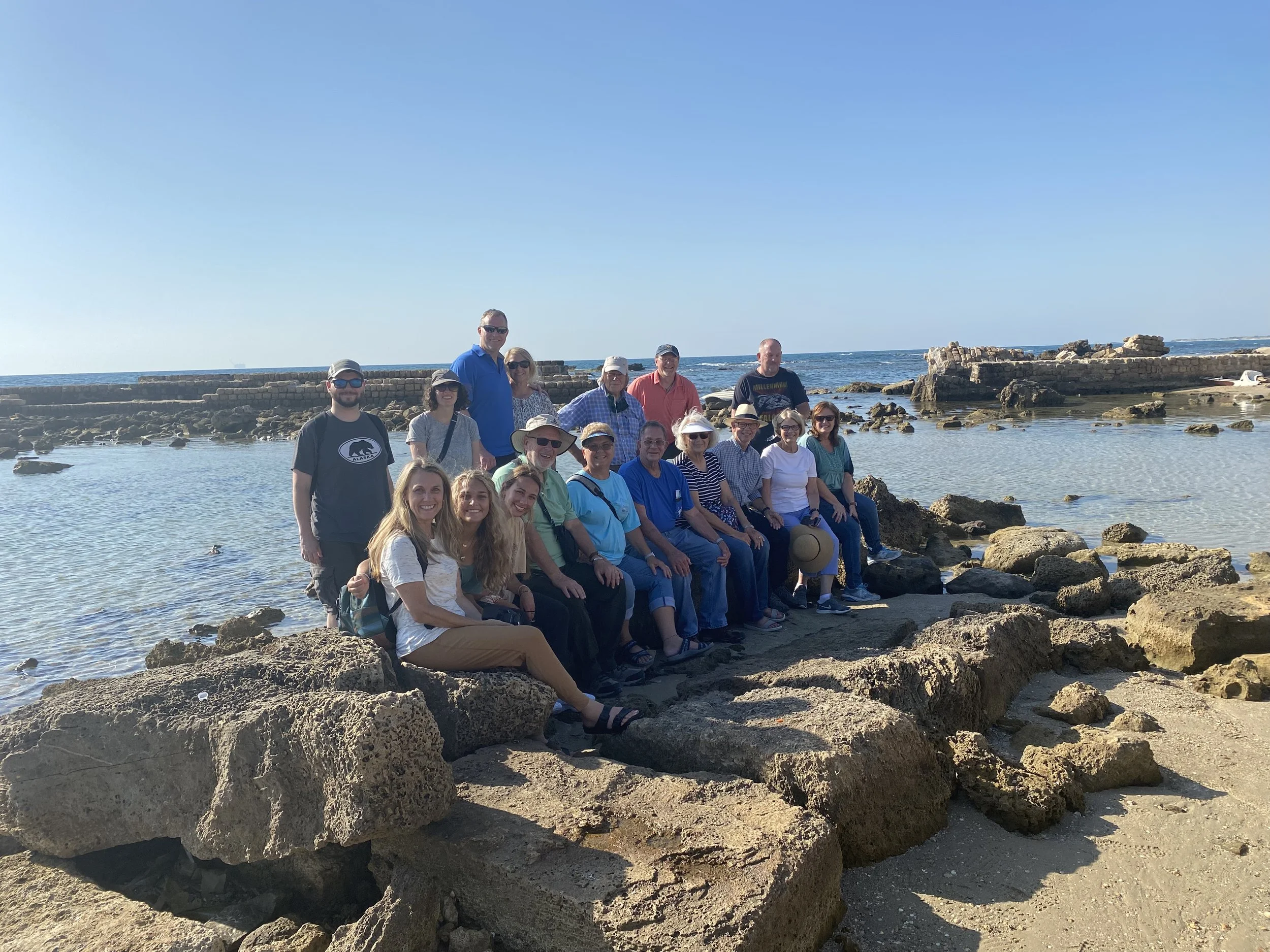
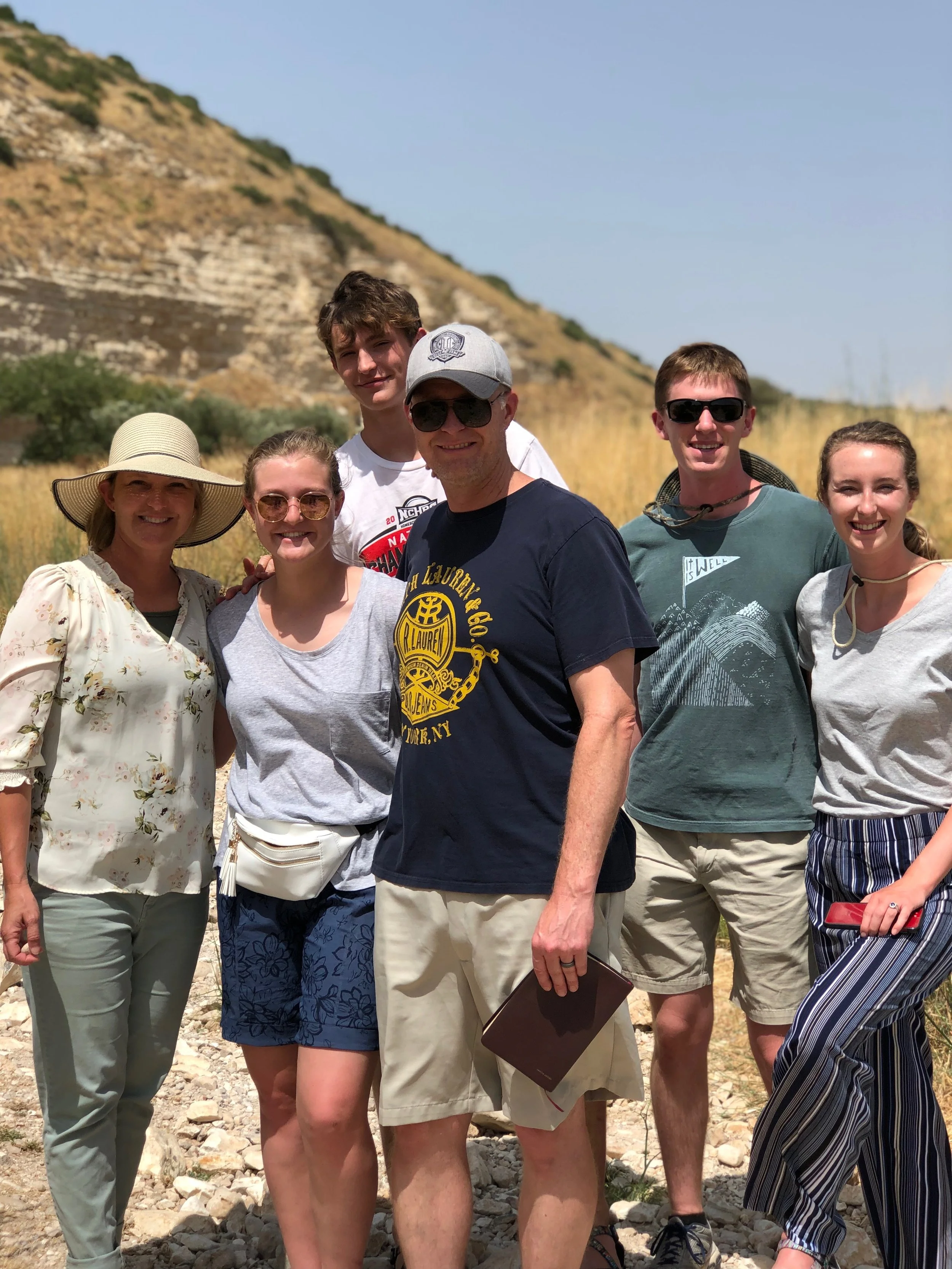
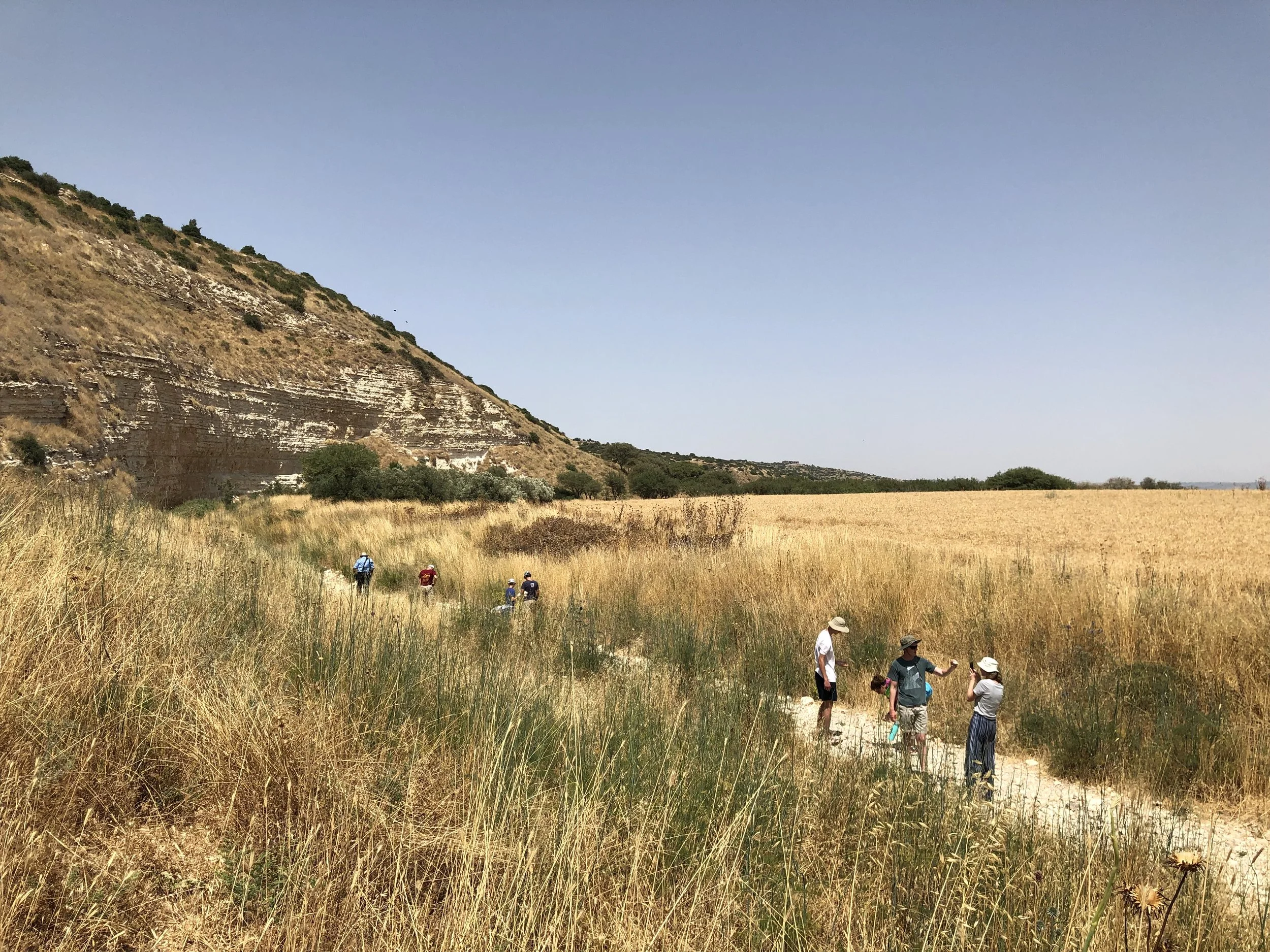
Overview
Join us for an unbelievable 14-Day Signature Israel, Sinai & Petra Study Tour—an immersive journey through the living landscape of the Bible. Travel from the Shephelah to Mount Sinai, from Petra’s desert strongholds to Jerusalem’s sacred hills, and from the shores of the Galilee into the very heart of biblical history—all under the teaching leadership of Dr. Jonathan Moore.
We begin in the Shephelah and southern lowlands—Gezer, Beth Shemesh, the Elah Valley (David & Goliath), Mareshah, and Lachish—before moving into the Dead Sea region to explore Jericho, Bethany Beyond the Jordan, Qumran, Ein Gedi, and Masada. From Be’er Sheva and the Negev, we cross into Sinai for a sunrise ascent of Mount Sinai (Jebel Musa), retracing the footsteps of Moses.
After returning through the Arava, we cross into Jordan for an overnight and morning exploration of Petra, the breathtaking Nabataean capital carved into rose-colored stone. We then return to Jerusalem before traveling north through Shiloh and the central hill country to the Sea of Galilee, where we study the ministry settings of Jesus—Magdala, Capernaum, Chorazin, Mount of Beatitudes, Caesarea Philippi, and Tel Dan.
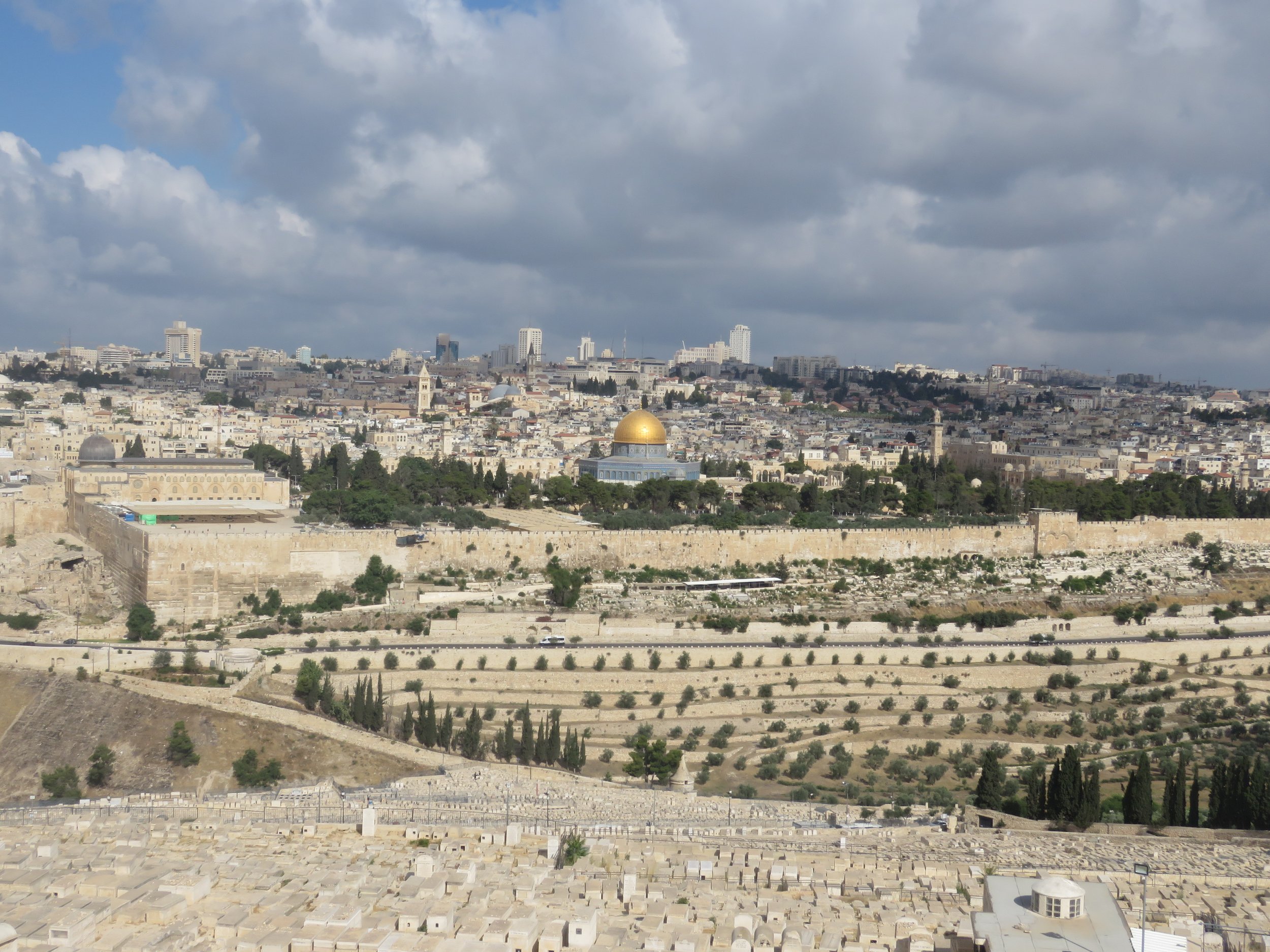
The journey culminates in Jerusalem with in-depth exploration of the Mount of Olives, Gethsemane, Bethlehem, the Western Wall, the City of David, Hezekiah’s Tunnel, and the Southern Wall excavations.
This is a rigorous, academically informed study tour designed to place Scripture in its historical and geographical context.
Tour Highlights
14 Days / 12 Nights Fully Escorted Christian Study Tour
Israel • Mount Sinai (Egypt) • Petra (Jordan)
Shephelah & Southern Lowlands (Gezer, Elah Valley, Lachish)
Dead Sea Region (Jericho, Qumran, Ein Gedi, Masada)
Negev Desert & Tel Be’er Sheva
Sunrise ascent of Mount Sinai (Jebel Musa)
Overnight and full visit to Petra
Shiloh (Tabernacle site)
Sea of Galilee boat ride
Magdala’s 1st-century synagogue
Caesarea Philippi & Tel Dan
Full Jerusalem immersion (Mount of Olives, Old City, Western Wall, City of David, Hezekiah’s Tunnel)
4–5 Star accommodations throughout (HB Basis – Half Board: daily breakfast and dinner included at hotels)
1 night – Jericho Resort Village (Jericho)
1 night – Leonardo Negev (Be’er Sheva)
1 night – Ambassador Hotel (Jerusalem)
3 nights – Golan Hotel (Sea of Galilee / Tiberias)
4 nights – Ambassador Hotel (Jerusalem – re-arrival)
1 night – Morgan Land Hotel (St. Catherine – Sinai, HB basis)
1 night – Petra Moon Hotel (Petra, HB basis)
Deluxe 45–48 seat modern A/C motor coach
Sightseeing includes entrance fees and bus parking per itinerary
Certified Israeli, Egyptian, and Jordanian professional guides with archeologist and FHU adjunct professor, Dr. Jonathan Moore
Meet & assist upon arrival and departure
Farewell Dinner in Jerusalem
Daily bottled water provided during Egypt & Jordan portions
Itinerary
Day 1 – Sunday, May 16
Depart United States
Day 1 Intinerary - Sunday | Depart to Israel Begin your Holy Land tour of a Lifetime and depart on your way to Israel The Land of the Bible.
Optional pre-arrival extra night in Tel Aviv: To help with jet lag and adjusting to the time zone, we recommend arriving one day before your tour starts (Saturday instead of Sunday). Enjoy time to rest, relax, stroll along the Mediterranean beach, explore the city, or enjoy the hotel facilities.
Day 2 – Monday, May 17
Arrival in Israel – Tel Aviv, Shephelah & Southern Lowlands
Arrive at Ben Gurion Airport (approximately 10:00 AM), where we are met by our guide and driver and begin our journey into the biblical heartland of Israel. Traveling south and east into the Shephelah—the rolling foothills between the coastal plain and the hill country of Judah—we enter one of the most strategically significant regions of the Old Testament. These valleys and fortified cities formed the frontline between Israel and the Philistines and witnessed some of the most dramatic events in Scripture.
Our first major stop is Gezer, overlooking the Aijalon Valley (Joshua 10:12–14). It was here that Joshua prayed for the sun to stand still during Israel’s decisive victory over the Amorite kings. Later fortified by Solomon (1 Kings 9:15–17), Gezer guarded a vital gateway into the hill country and controlled one of the primary international trade routes of the ancient Near East.
Continuing eastward, we travel through the Aijalon Valley and into the Sorek Valley to Beth Shemesh. This city played a pivotal role in the return of the Ark of the Covenant from Philistine territory (1 Samuel 6). As we stand overlooking the valley, we recall the dramatic scene of the Ark arriving on a cart drawn by cows, and the sobering reminder of God’s holiness when some of the inhabitants looked inside it.
In the Elah Valley, we visit Khirbet Qeiyafa, overlooking the very battlefield where David confronted Goliath (1 Samuel 17). Standing in this broad valley, we reflect on David’s bold declaration, “The battle is the Lord’s” (1 Samuel 17:47). Archaeological remains here provide powerful insight into Judah’s fortified presence during the early monarchy and the historical setting of the Davidic kingdom.
At Lachish, Judah’s second most important city after Jerusalem, we stand before the massive Assyrian siege ramp—still visible today—constructed during Sennacherib’s invasion of Judah (2 Kings 18:13–14; 2 Chronicles 32:9; Isaiah 36). The Assyrian reliefs discovered at Nineveh depict this very conquest in striking detail. Here archaeology and Scripture converge vividly, providing tangible evidence of one of the most dramatic military campaigns recorded in the Bible.
As we conclude our exploration of the Shephelah and Southern Lowlands, we travel toward Jerusalem or Jericho for our overnight stay, having walked through the valleys where kings fought, prophets warned, and the foundations of Israel’s monarchy were forged.
Overnight: JERICHO RESORT VILLAGE
Day 3 – Tuesday, May 18
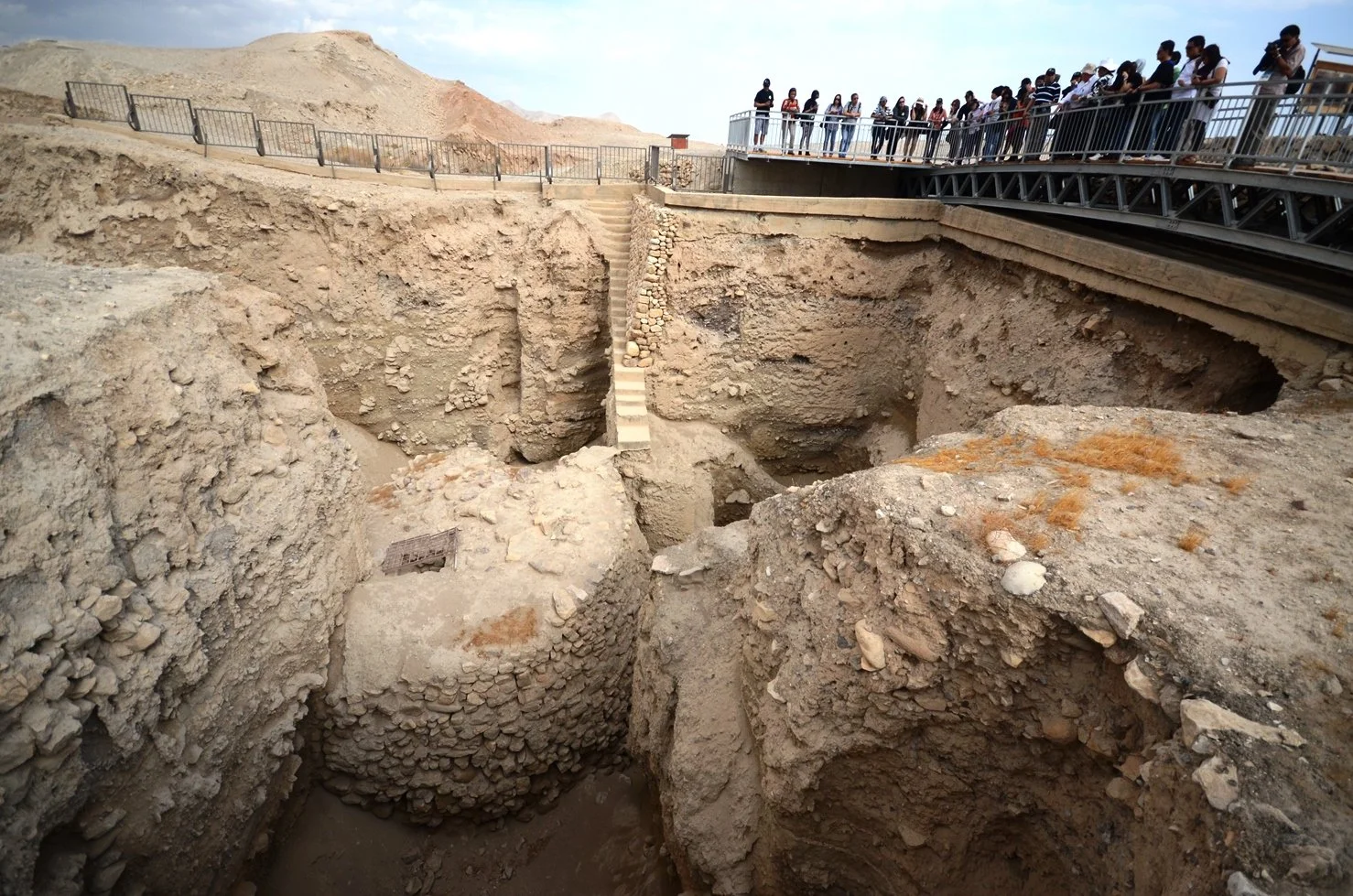
Upon arrival in the Dead Sea region, we descend through the Jordan Valley to Jericho, one of the oldest cities in the world. It was here that Joshua led Israel in obedience to God’s command, circling the city before its walls fell (Joshua 6). Jericho later became associated with the ministries of Elijah and Elisha (2 Kings 2:4–5, 18–22), and in the New Testament it is the setting for Jesus’ encounter with Zacchaeus (Luke 19:1–10) and the healing of blind Bartimaeus (Mark 10:46–52). Standing in this ancient oasis, we reflect on both judgment and restoration—hallmarks of Jericho’s biblical history.
We continue to Bethany beyond the Jordan, traditionally identified as the place where John baptized in the Jordan River (John 1:28; John 3:23). It was here that Jesus came to be baptized, inaugurating His public ministry (Matthew 3:13–17). This quiet stretch of the Jordan Valley provides a powerful setting to recall the Father’s declaration: “This is My beloved Son, in whom I am well pleased.”
Traveling along the shores of the Dead Sea, we visit Qumran, where the Dead Sea Scrolls were discovered in 1947. These caves preserved some of the oldest known manuscripts of the Hebrew Bible, dating centuries before Christ. The discovery confirmed the remarkable textual preservation of Scripture and provided insight into the Jewish world into which Jesus was born.
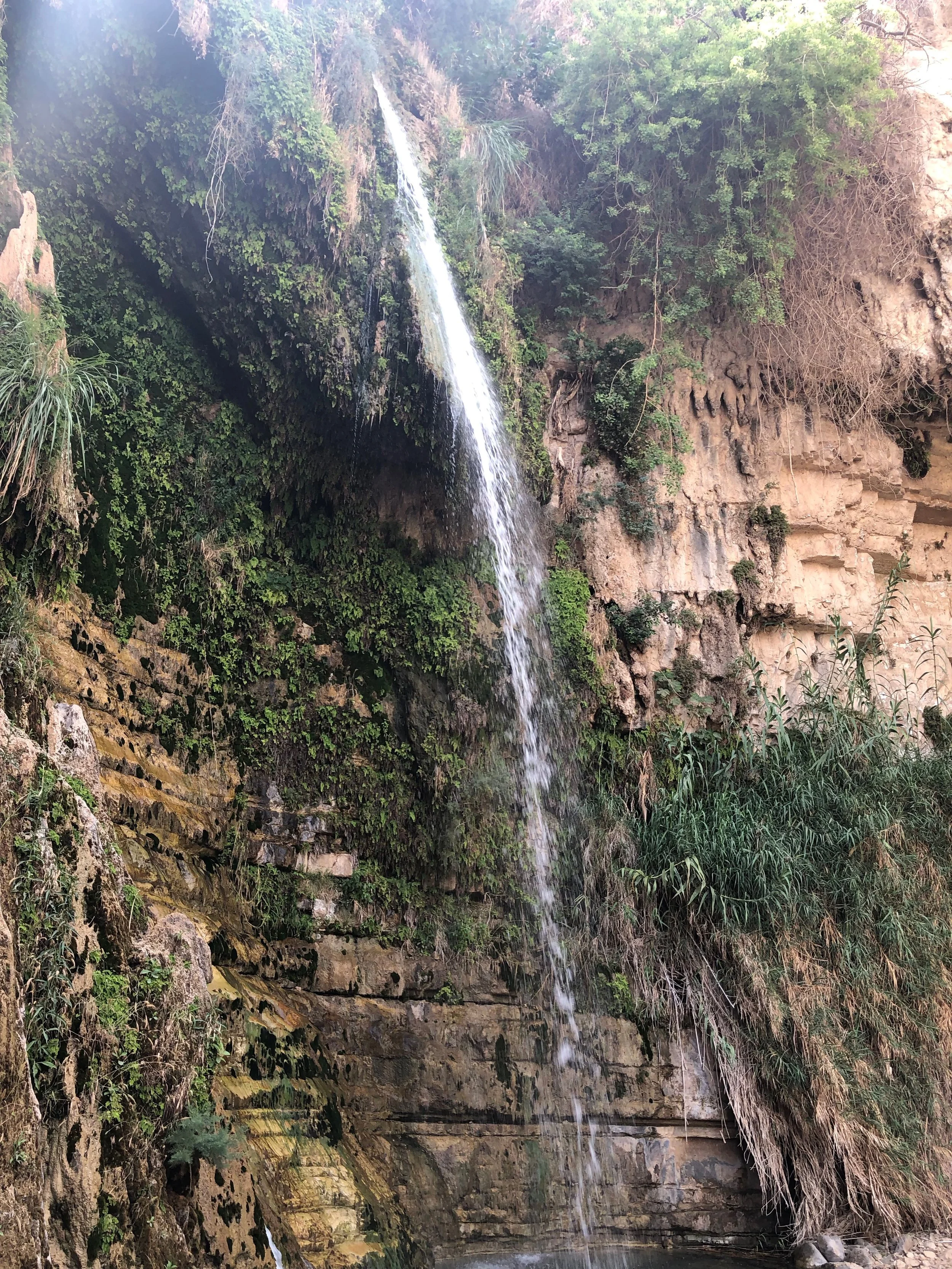
At Ein Gedi, the lush desert oasis overlooking the Dead Sea, we recall David’s flight from King Saul. It was in these caves that David spared Saul’s life, declaring, “I will not stretch out my hand against my lord, for he is the Lord’s anointed” (1 Samuel 24). The dramatic cliffs and waterfalls provide a vivid backdrop to this defining moment of restraint and faith.
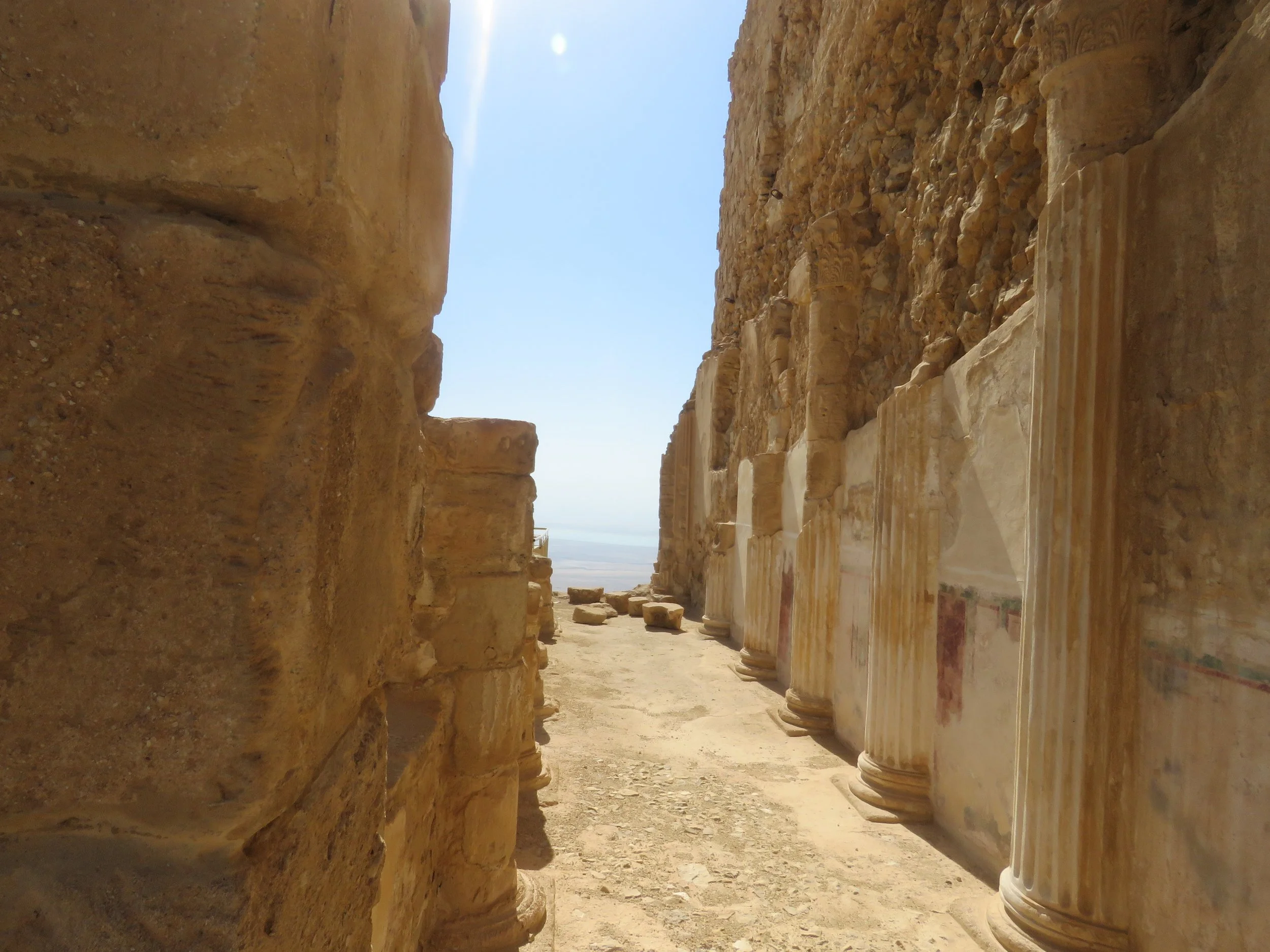
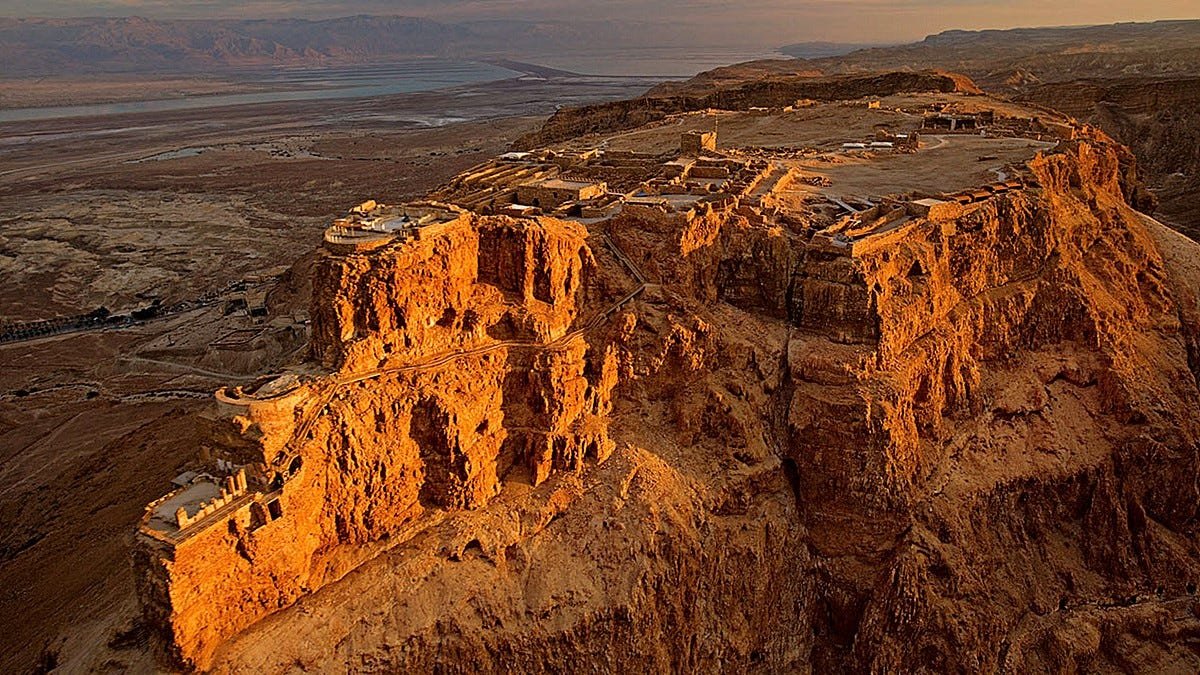
We then ascend by cable car to Masada, Herod’s desert fortress rising above the Dead Sea. Though best known for its dramatic final stand against Rome in A.D. 73, Masada also reflects the tension and resilience that marked Jewish history in this region. From its summit we take in sweeping views of the Judean wilderness, understanding why this desert landscape has long been a place of refuge, testing, and revelation.
As evening approaches, we journey south through the Negev toward Beer Sheva for our overnight stay, tracing the routes once traveled by patriarchs, prophets, and kings in the wilderness of Judah.
Overnight: Beer Sheva.
Day 4 – Wednesday, May 19
Departing Beer Sheva, we journey deep into the Negev Desert, a landscape that shaped the lives of the patriarchs and later the wanderings of Israel. Our first stop is Tel Be’er Sheva, the southernmost city of biblical Judah and the place where Abraham and Isaac established covenants and dug wells (Genesis 21:22–34; Genesis 26:23–33). It was here that Abraham called upon the name of the Lord, the Everlasting God. Be’er Sheva later marked the southern boundary of Israel—“from Dan to Beersheba” (Judges 20:1)—and stands as a testimony to covenant promise and inheritance.
Continuing south, we travel through the breathtaking wilderness of the Negev and pass through Makhtesh Ramon, the world’s largest erosion crater. This dramatic desert terrain provides a vivid backdrop for understanding the hardships and dependence upon God that characterized Israel’s wilderness journey (Numbers 14–21). The vast silence of the desert helps us appreciate the testing and provision that defined Israel’s formation as a nation.
We then visit Timna Park, known for its ancient copper mines and desert formations. Here we view a full-scale model of the Tabernacle, offering a tangible visual framework for the sanctuary described in Exodus 25–40. As we consider the courtyard, the altar of sacrifice, the Holy Place, and the Holy of Holies, we reflect on God’s declaration: “Let them make Me a sanctuary, that I may dwell among them” (Exodus 25:8).
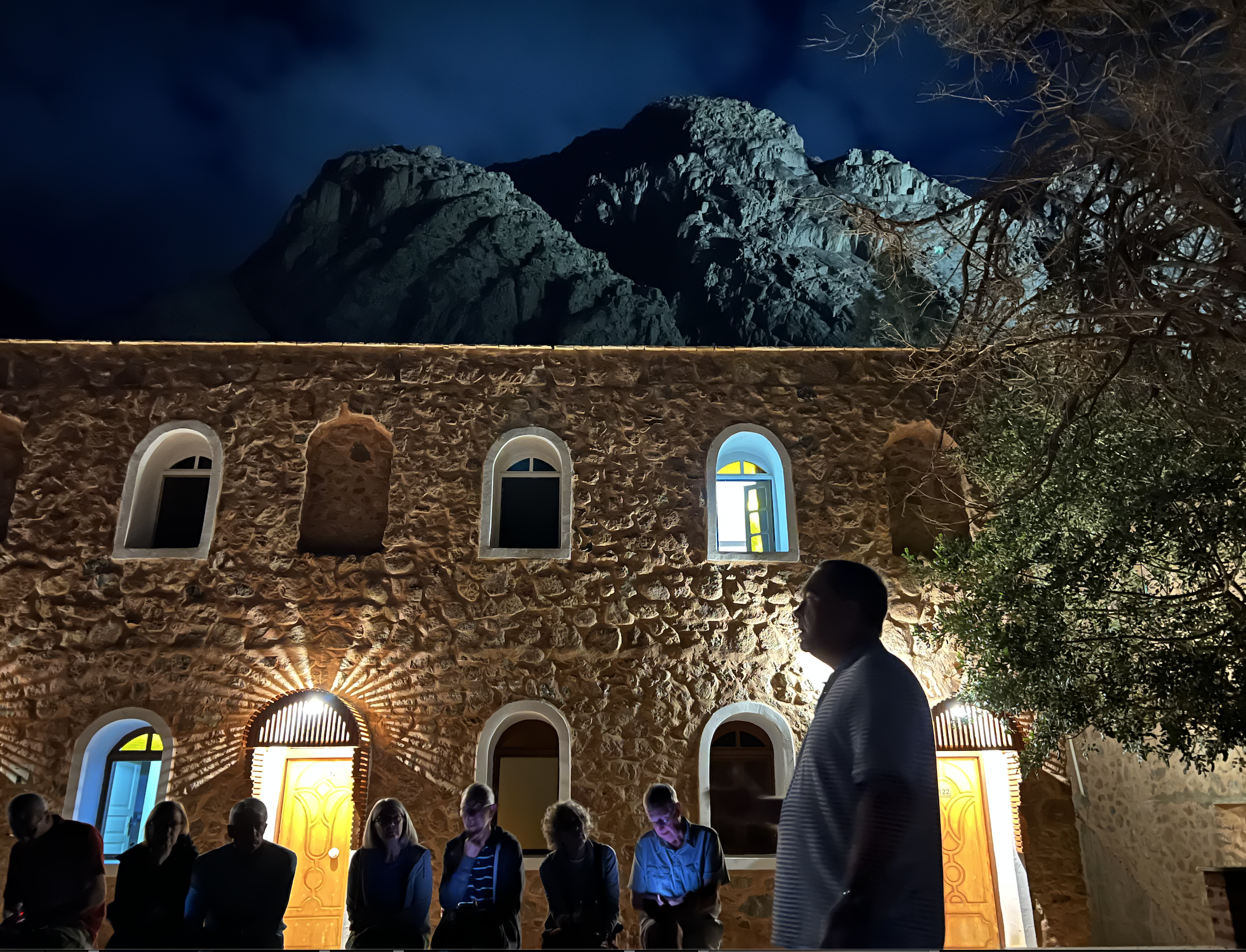
Driving through modern Eilat, Israel’s southern gateway along the Red Sea (1 Kings 9:26), we cross the Taba border into Egypt, entering the land from which the Lord delivered Israel with a mighty hand (Exodus 1–14). Continuing through the rugged Sinai Peninsula, we arrive at our hotel near St. Catherine’s, nestled at the foot of the traditional Mount Sinai (Jebel Musa). After settling in and resting, we prepare for a profound spiritual experience.
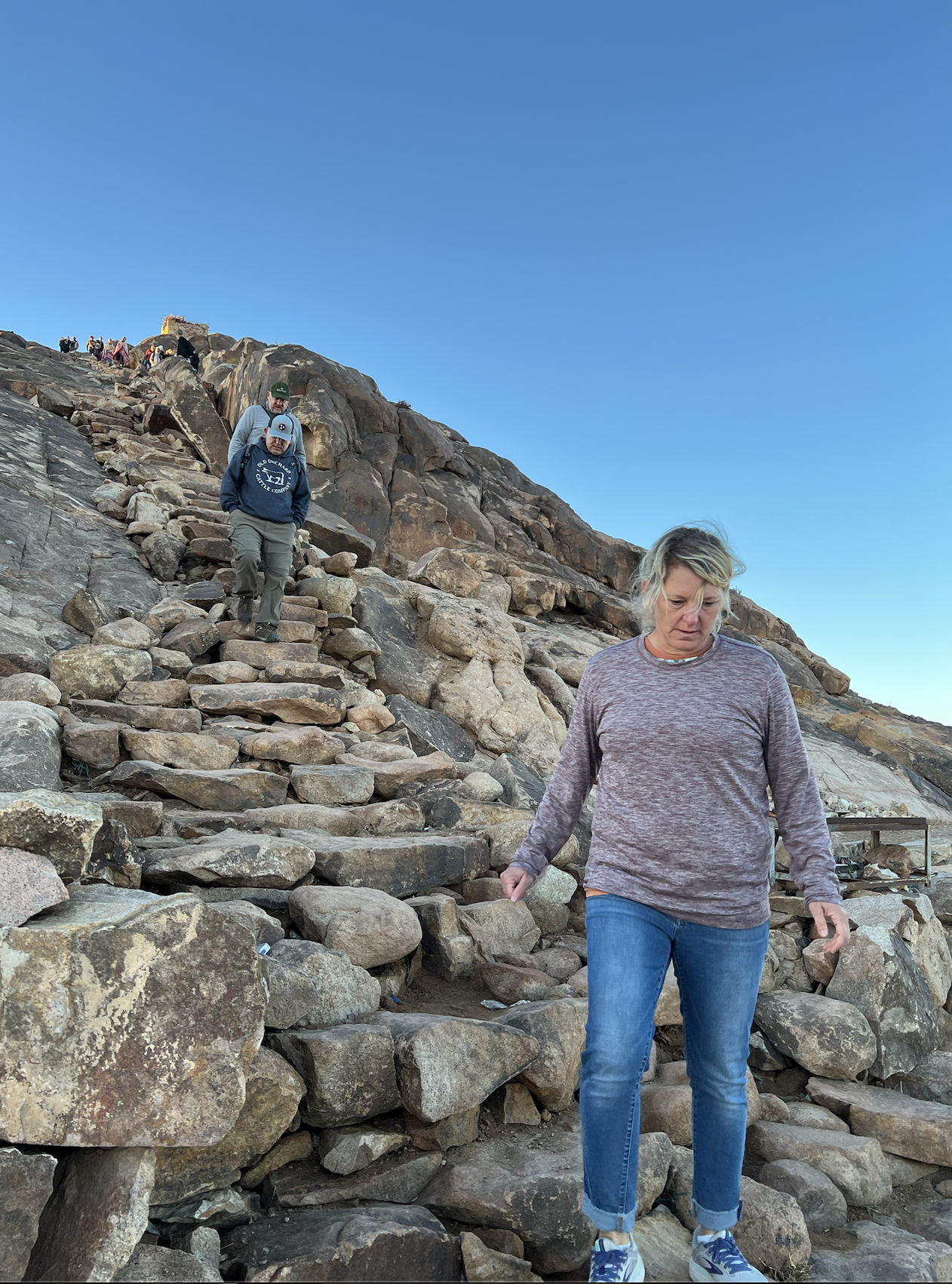
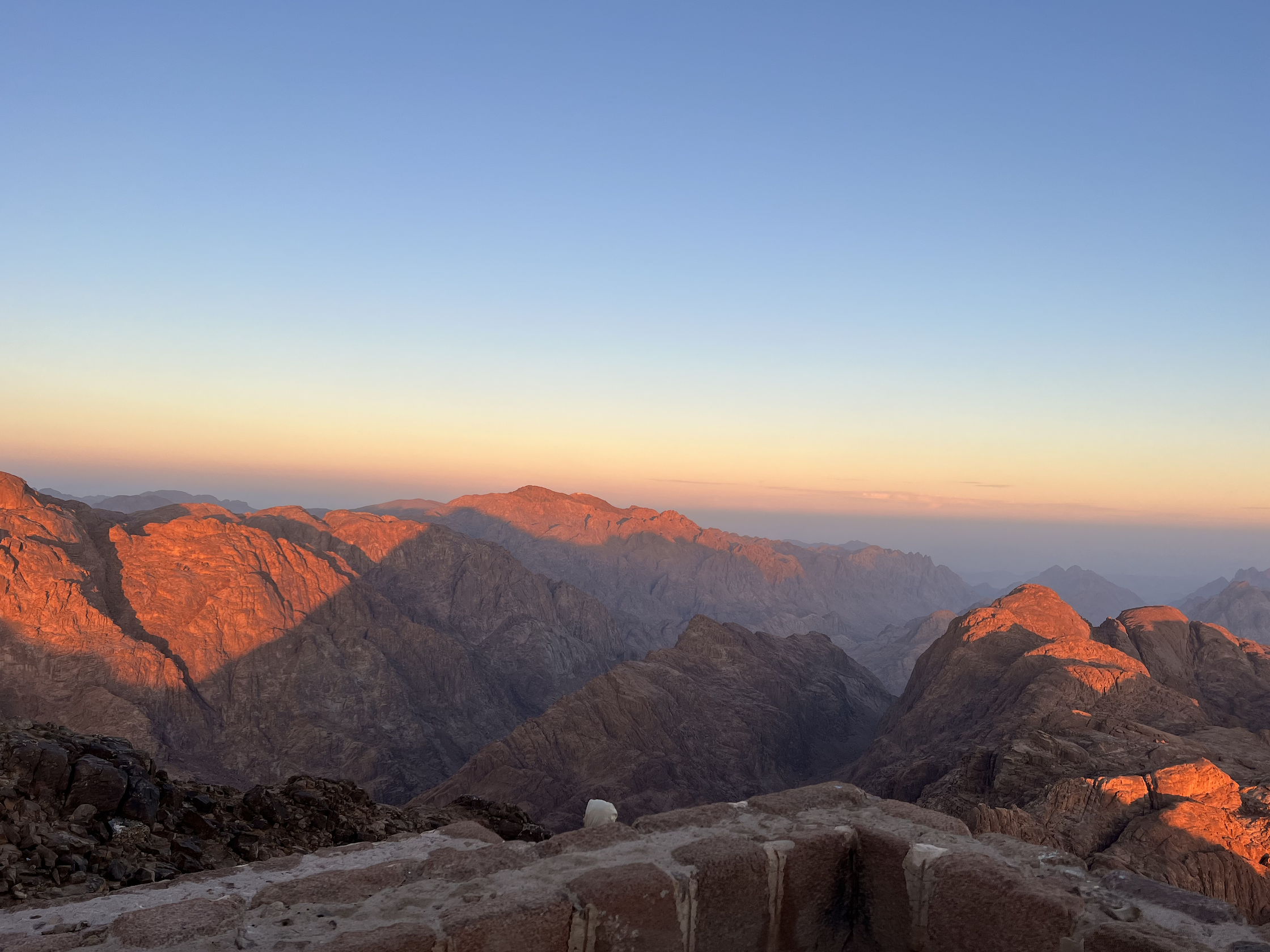
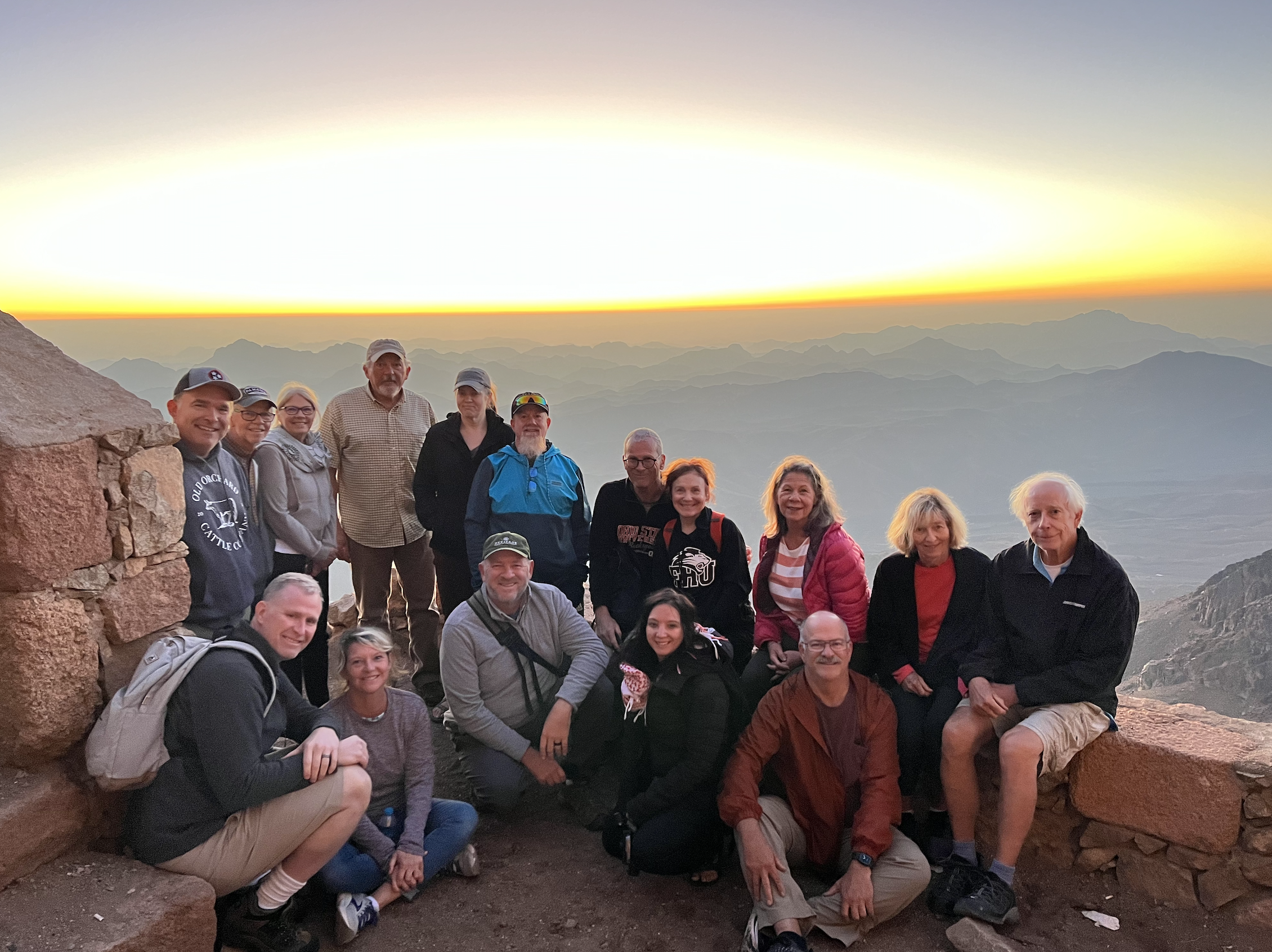
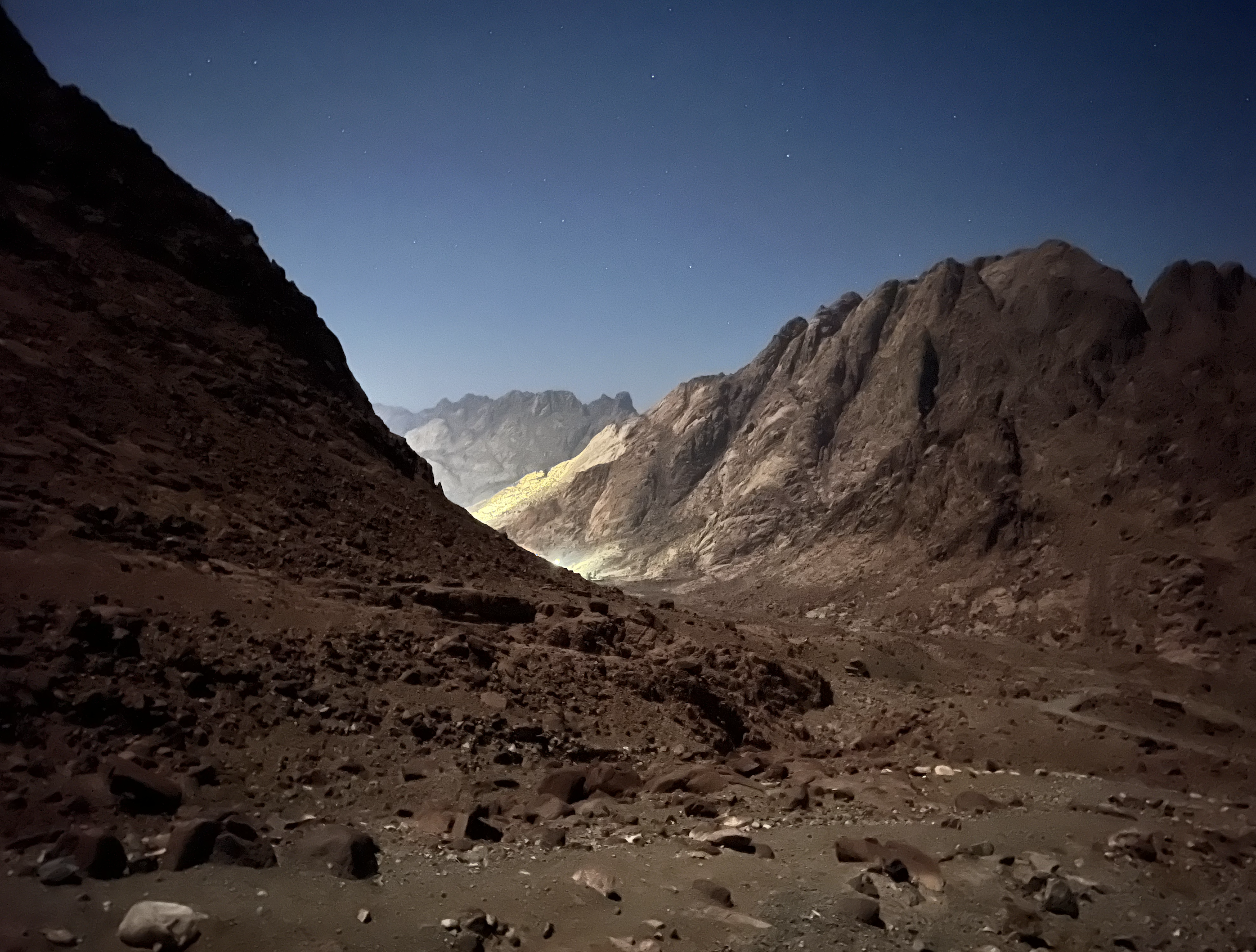
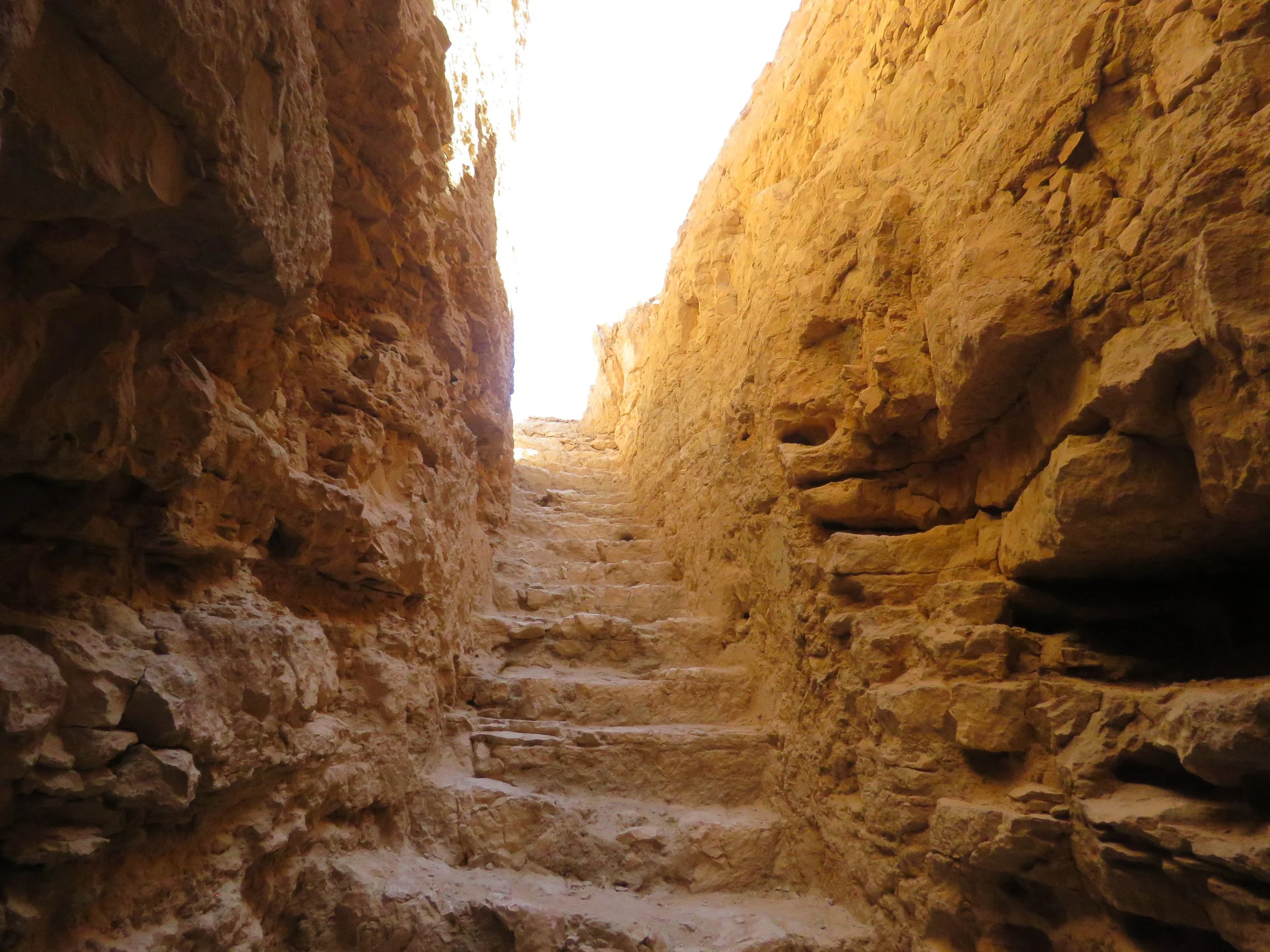
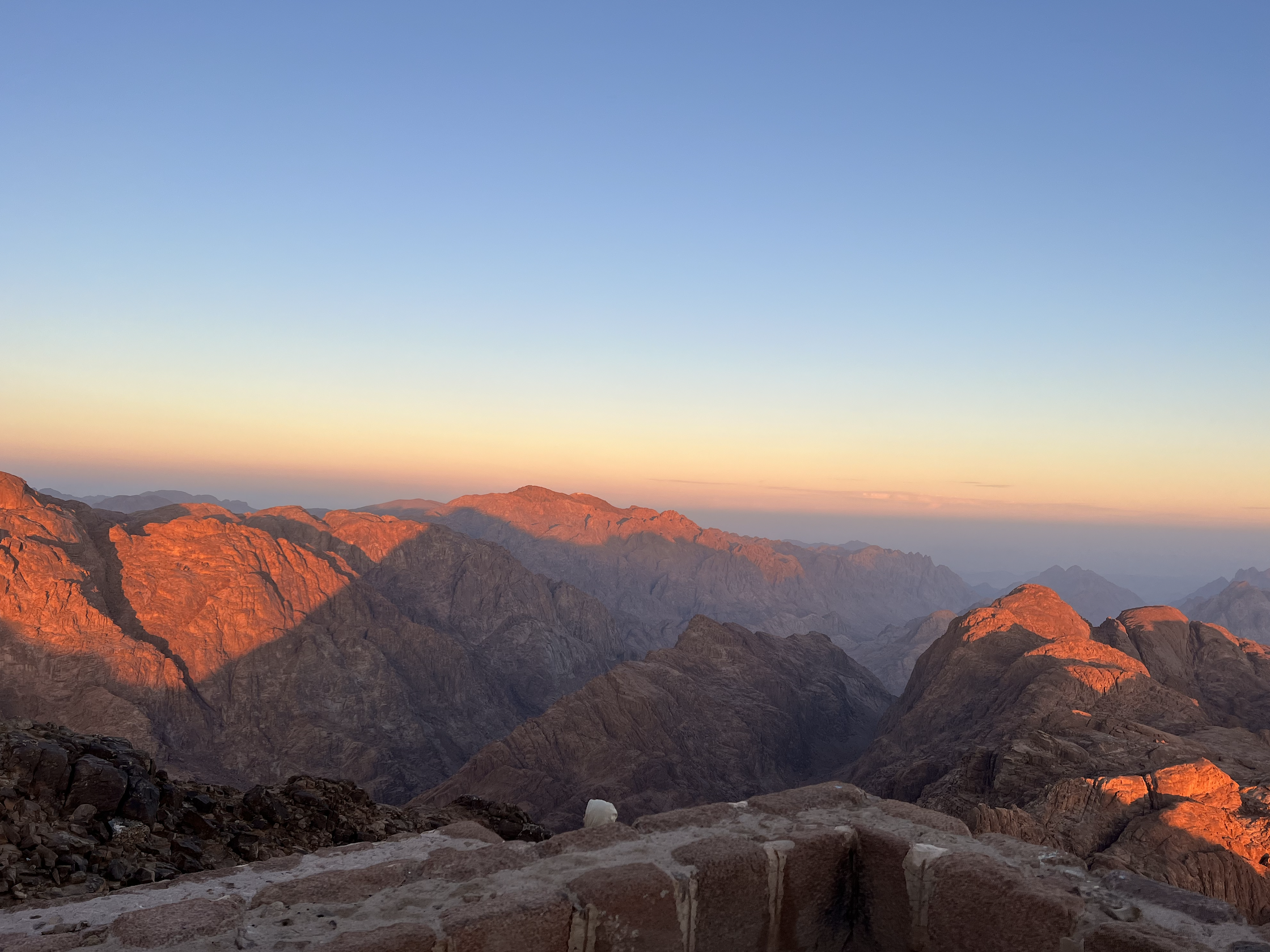
In the early hours of the morning—around 2:00 AM—we begin our ascent of Mount Sinai in order to reach the summit for sunrise. It was on this mountain that Moses encountered the living God in the burning bush (Exodus 3:1–6), and later where the Lord descended in fire and gave the Ten Commandments to Israel (Exodus 19:16–20; Exodus 20:1–17). Centuries afterward, the prophet Elijah fled to this same mountain—“Horeb, the mountain of God”—where he encountered the Lord not in wind, earthquake, or fire, but in a still small voice (1 Kings 19:8–13). As the sun rises over the Sinai wilderness, we reflect on the holiness of God, the giving of His Law, and His faithfulness across generations.
Overnight: Hotel Morgan Land St. Catherine
Day 5 – Thursday, May 20
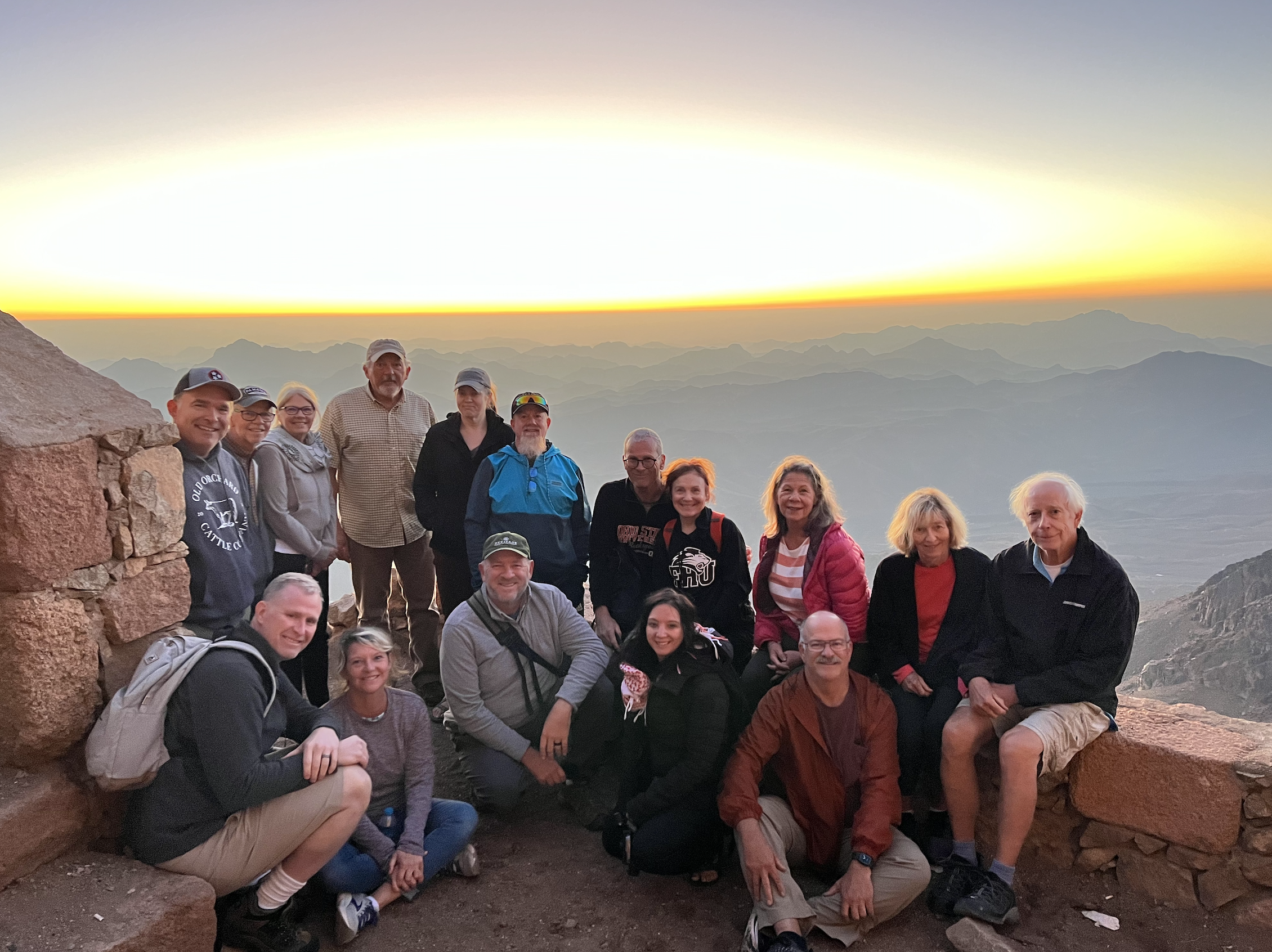
Before dawn, we begin our ascent of Mount Sinai (Jebel Musa), climbing in the quiet desert darkness to reach the summit for sunrise. Here we reflect on the giving of the Law and the covenant established between God and Israel (Exodus 19–20), as well as Elijah’s later encounter with the Lord at Horeb (1 Kings 19:8–13). As the sun rises over the rugged peaks of Sinai, the vast wilderness below provides a powerful setting to consider God’s holiness and faithfulness.
After descending the mountain and returning to our hotel for breakfast, we begin our journey back toward Israel. Along the way, we pause for a scenic view of the Gulf of Aqaba, whose brilliant blue waters mark the meeting point of Africa and Arabia and evoke the broader geography of Israel’s wilderness journey (Numbers 33).
We proceed to Taba, cross back into Israel, and continue through the Arava border crossing into Jordan, traveling the desert corridor that once carried ancient caravans and trade routes (1 Kings 9:26–28). By evening, we arrive in Aqaba or Petra, preparing for a full day exploring the extraordinary Nabatean capital.
Overnight: Petra Moon Hotel
Day 6 – Friday, May 21
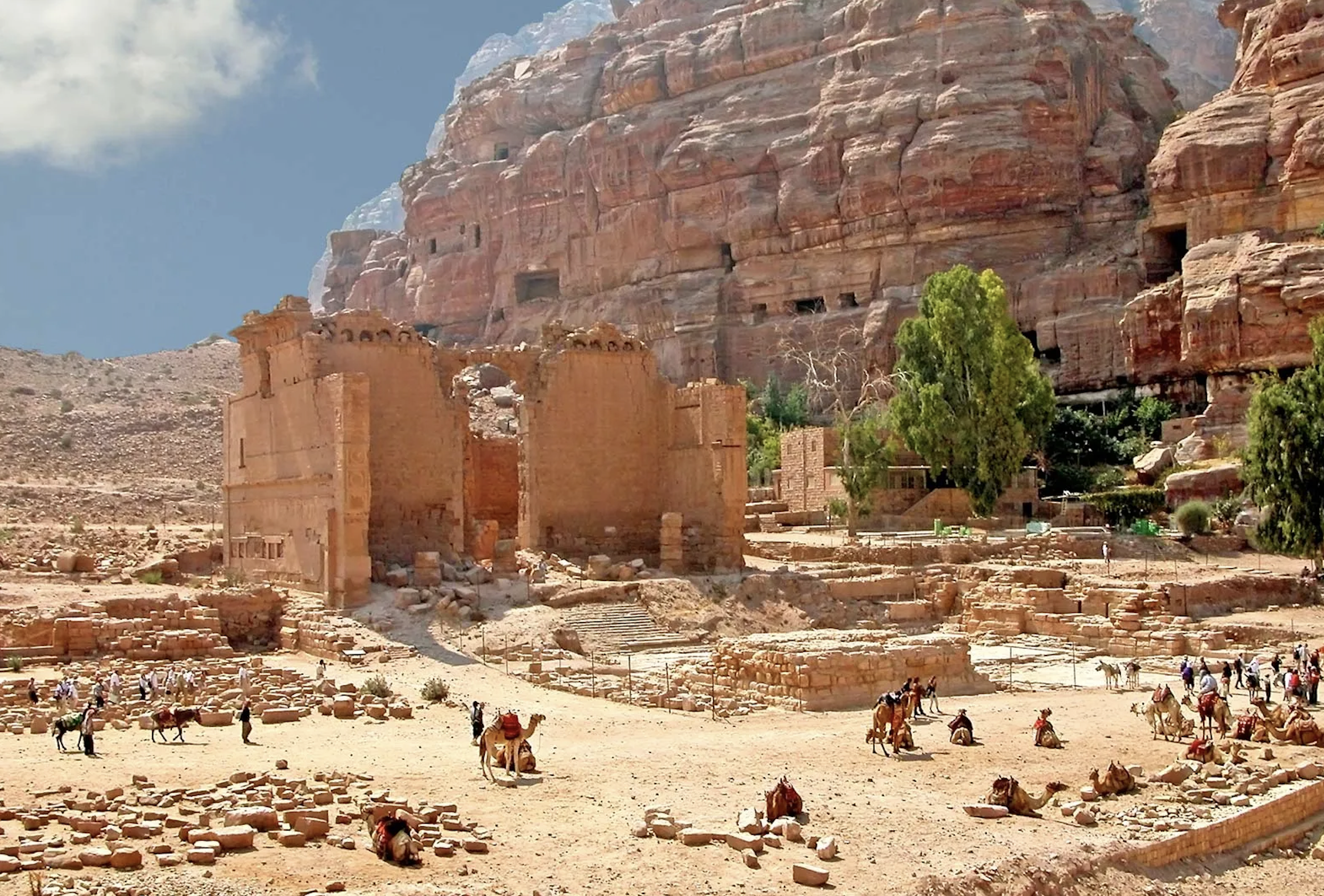
In the morning we explore Petra, the magnificent rock-cut city of the Nabateans and one of the most remarkable archaeological sites in the world. Located within the ancient territory of Edom—the mountainous region of Seir where the descendants of Esau settled (Genesis 36:8–9; Deuteronomy 2:4–5)—Petra later became a thriving desert center along the great caravan routes. As we walk through the narrow Siq and stand before the Treasury carved into rose-colored sandstone, we reflect on the long and often complex relationship between Israel and Edom (Obadiah; Malachi 1:2–4), and the shifting powers that controlled these strategic trade corridors.
After our morning visit, we return to the Arava border crossing, departing Jordan no later than 6:00 PM. Crossing back into Israel, we drive north through the desert corridor and ascend toward Jerusalem. As the hills of Judea come into view, we prepare to enter the city at the heart of biblical history and redemption.
Overnight: Jerusalem.
Day 7 – Saturday, May 22
Departing Jerusalem, we descend into the rugged beauty of the Wadi Qelt in the Judean Desert, a dramatic canyon that winds toward Jericho. This wilderness landscape evokes the setting of Jesus’ parable of the Good Samaritan (Luke 10:30–37) and recalls the harsh terrain through which David once fled (1 Samuel 23–24). The stark contrast between desert and cultivated hill country highlights the geographical diversity of the land.
Ascending into the Samaria Hill Country, we travel through the heart of the central highlands—the region allotted to the tribes of Ephraim and Manasseh (Joshua 16–17). These hills formed the backbone of early Israelite settlement and later became the center of the Northern Kingdom. As we journey north, we trace the ancient routes that connected Jerusalem to Shechem and beyond.
At Shiloh, we visit the site where the Tabernacle stood after Israel entered the land (Joshua 18:1). It was here that the Ark of the Covenant rested for generations, and where Hannah prayed for a son and dedicated Samuel to the Lord (1 Samuel 1–3). Shiloh served as Israel’s central sanctuary before the rise of Jerusalem, marking a foundational period in the nation’s spiritual life.
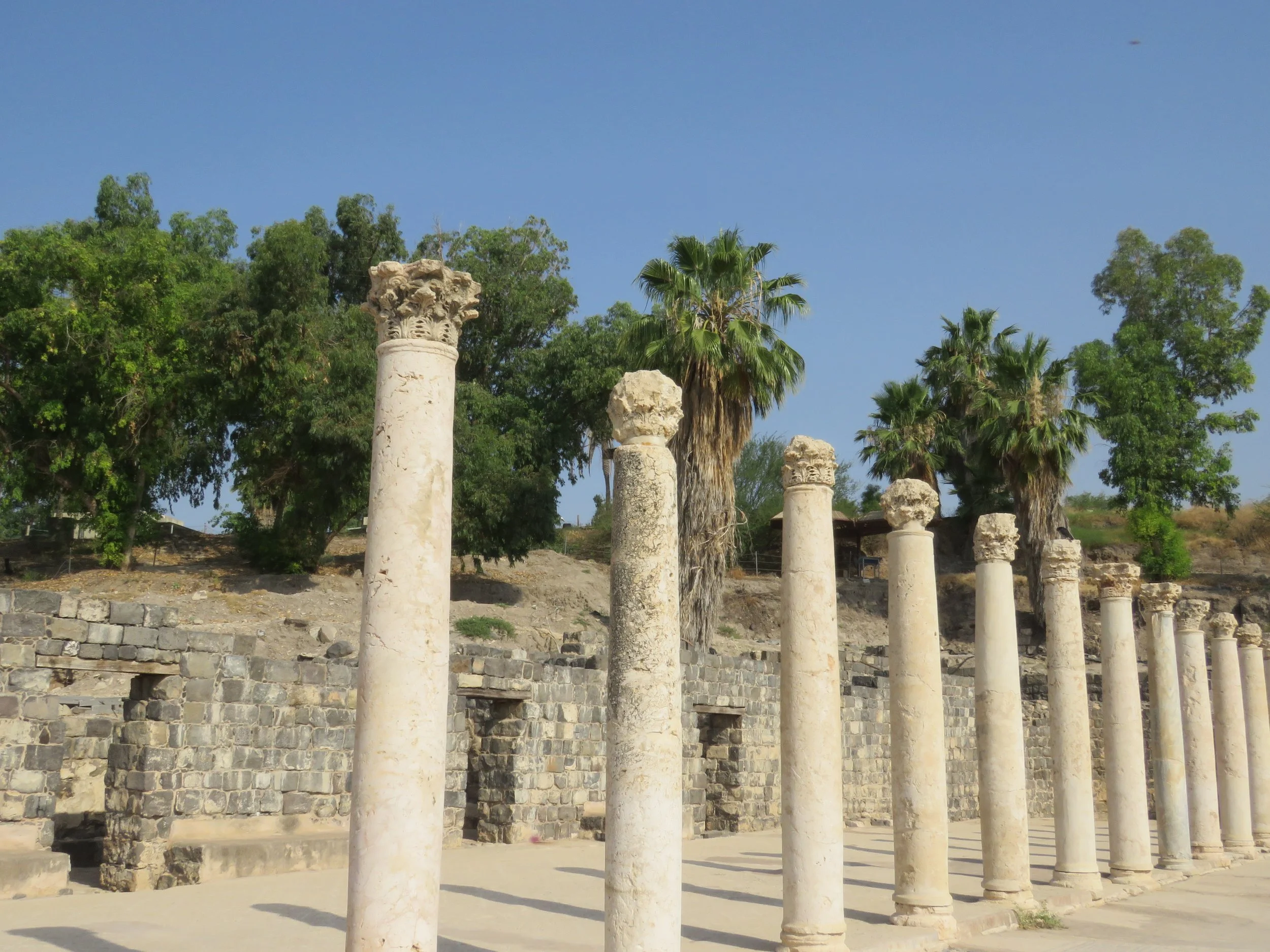
Continuing north through the Jordan Valley, we arrive at Beth Shean, one of the great cities of the Decapolis (Mark 5:20; Mark 7:31). Its impressive Roman remains testify to its prominence in the Greco-Roman world. In the Old Testament, Beth Shean was the site where the Philistines displayed the bodies of Saul and his sons after their defeat on Mount Gilboa (1 Samuel 31:8–12; 2 Samuel 21:12–14), a sobering reminder of Israel’s early monarchy and its struggles.
By evening, we arrive at the shores of the Sea of Galilee, checking into our hotel at Nof Ginnosar. Surrounded by the hills where Jesus taught and ministered, we prepare to explore the region that formed the heart of His earthly ministry.
Overnight: Sea of Galilee
Day 8 – Sunday, May 23
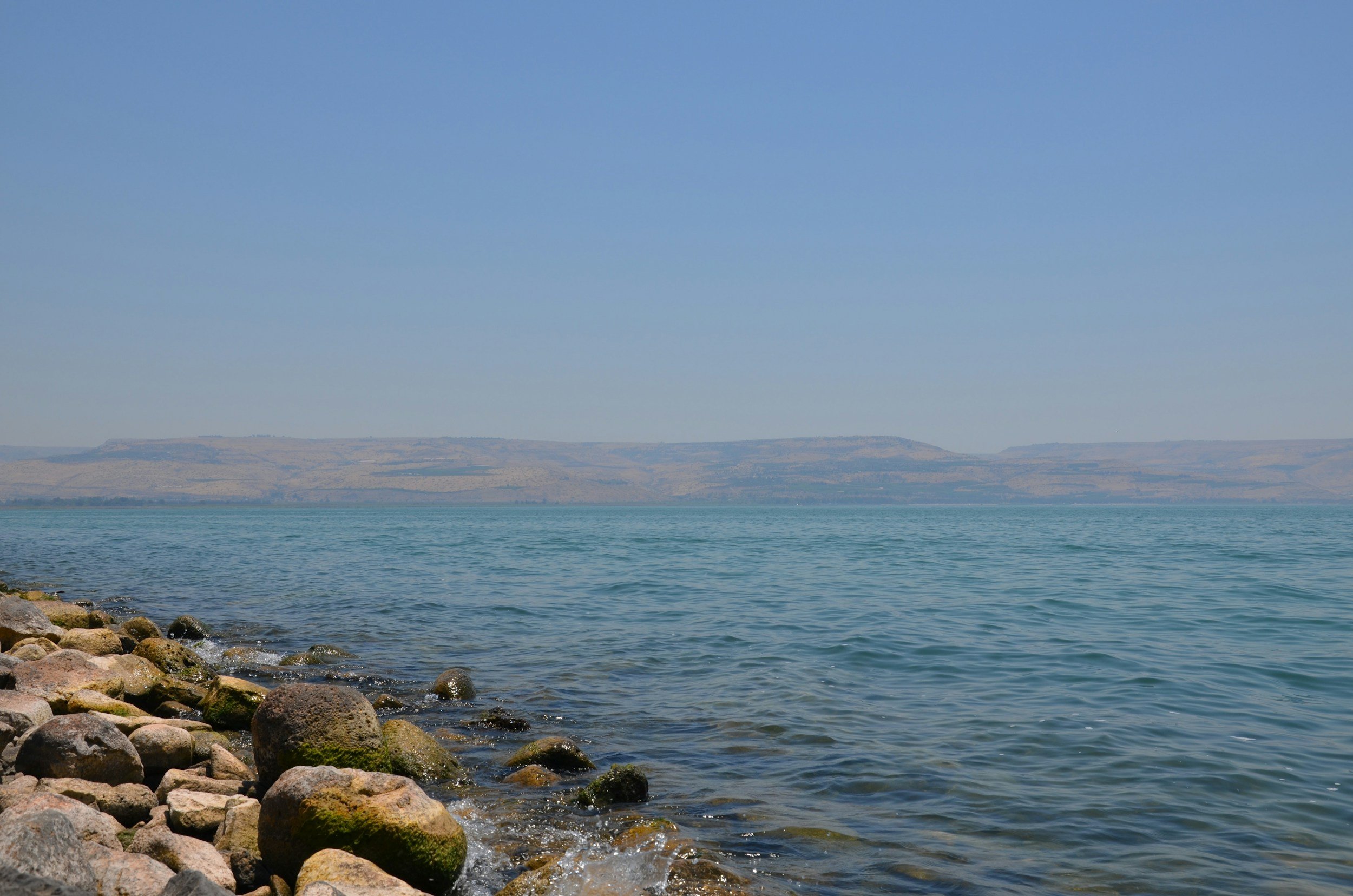
On this Lord’s Day we explore the region that formed the heart of Jesus’ early ministry around the Sea of Galilee. We begin with an ascent of Mount Arbel, whose dramatic cliffs overlook the entire lake and surrounding villages. From this vantage point, we gain a sweeping view of the setting where much of the Gospel narrative unfolds (Matthew 4:12–17). Looking across the waters toward Capernaum, Magdala, and the Mount of Beatitudes, we appreciate the geographical intimacy of Jesus’ ministry in this compact yet spiritually transformative region.
We then visit Magdala, the hometown of Mary Magdalene (Luke 8:2). Excavations here have uncovered two remarkable first-century synagogues, offering rare insight into the type of setting in which Jesus would have taught during His Galilean ministry (cf. Matthew 4:23). The discovery provides tangible context for understanding Jewish life and worship in the time of Christ.
Continuing to Capernaum, known as Jesus’ “own city” (Matthew 9:1), we gather for morning worship in the place that served as the center of His Galilean ministry. Here Jesus taught in the synagogue (Mark 1:21–28), healed Peter’s mother-in-law (Mark 1:29–31), and performed many miracles (Matthew 8–9). Standing among the remains of the ancient synagogue, we reflect on the authority with which He taught and the lives transformed in this small fishing village.
At nearby Chorazin, one of the cities rebuked by Jesus for its unbelief (Matthew 11:21), we see the remains of a later synagogue and consider the sobering warning that privilege brings responsibility.
We proceed to the traditional site of the Mount of Beatitudes, where Jesus delivered the Sermon on the Mount (Matthew 5–7). Overlooking the peaceful waters of the Sea of Galilee, we reflect on His words concerning the character of the Kingdom—“Blessed are the poor in spirit… blessed are the peacemakers.”
We then visit the Ancient Boat Museum, home to the first-century Galilee Boat discovered in 1986. This remarkably preserved vessel provides a vivid connection to the fishing culture of the lake and the world of Peter, Andrew, James, and John (Luke 5:1–11).
Concluding the day, we embark on a boat ride across the Sea of Galilee, recalling Jesus calming the storm (Mark 4:35–41), walking on the water (Matthew 14:22–33), and teaching from a boat along these very shores. As we cross the waters, we reflect on the power and presence of Christ in the midst of life’s storms.
Overnight: Galilee.
Day 9 – Monday, May 24
Today we explore the Golan Heights and Israel’s northern borders, a region of dramatic landscapes and pivotal biblical events.
We begin at Bethsaida, associated with the hometown of Peter, Andrew, and Philip (John 1:44). We visit both proposed sites—et-Tell and el-Araj—considering the ongoing archaeological discussion surrounding the precise location of this fishing village. It was near Bethsaida that Jesus healed a blind man (Mark 8:22–26) and where He performed the feeding of the five thousand (Luke 9:10–17). Standing near the northeastern shores of the Sea of Galilee, we reflect on the miracles and ministry that unfolded in this area.
If conditions permit, we continue to Gamla, dramatically perched on a steep ridge overlooking the Golan. Though not directly mentioned in Scripture, Gamla was a stronghold during the First Jewish Revolt against Rome (A.D. 66–73) and provides important historical context for understanding the tensions of the first-century world into which Jesus ministered.
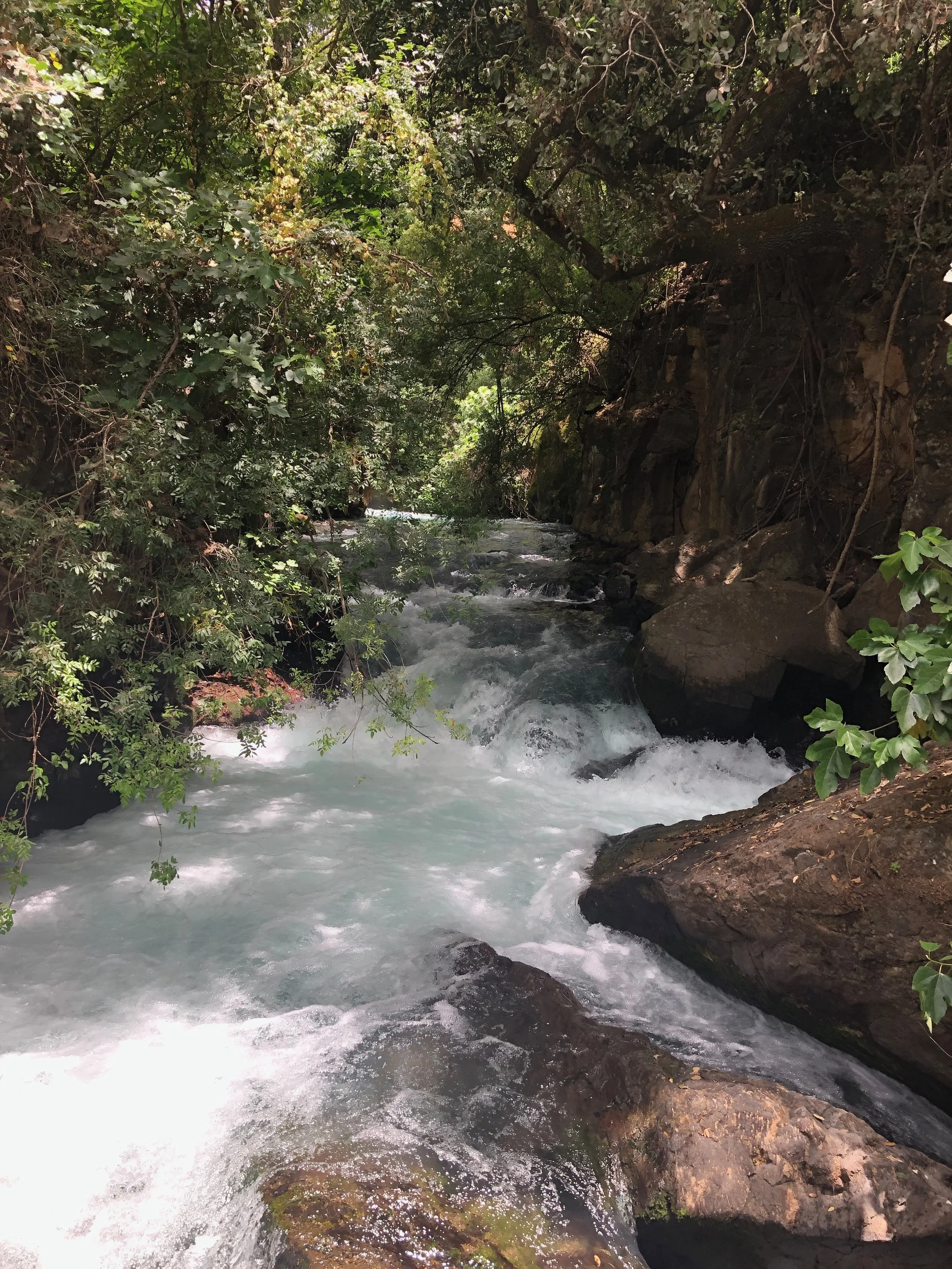
We then travel to Caesarea Philippi, located at the foot of Mount Hermon near the headwaters of the Jordan River. In this striking setting—once dominated by pagan shrines and a temple to Pan—Peter confessed, “You are the Christ, the Son of the living God” (Matthew 16:13–16). Here Jesus spoke of building His Church and referenced the “gates of Hades” (Matthew 16:18), a powerful declaration given the surrounding pagan symbolism.
Continuing westward, we visit Tel Dan, one of Israel’s northernmost cities. This site preserves the remains of a massive Middle Bronze Age gate complex—often called the “Abrahamic Gate”—dating to the period traditionally associated with the patriarchs (Genesis 14:14). Dan later became a center of idolatrous worship under Jeroboam (1 Kings 12:28–30). As we stand at this ancient gateway, we reflect on both the promise given to Abraham and the spiritual struggles that later marked the Northern Kingdom.
By evening, we return to our hotel in the Galilee, having explored the strategic northern frontier where patriarchal history, prophetic confrontation, and New Testament revelation converge.
Overnight: Galilee.
Day 10 – Tuesday, May 25
Departing the Galilee, we travel through the fertile Jezreel Valley, one of the most strategic crossroads in biblical history.
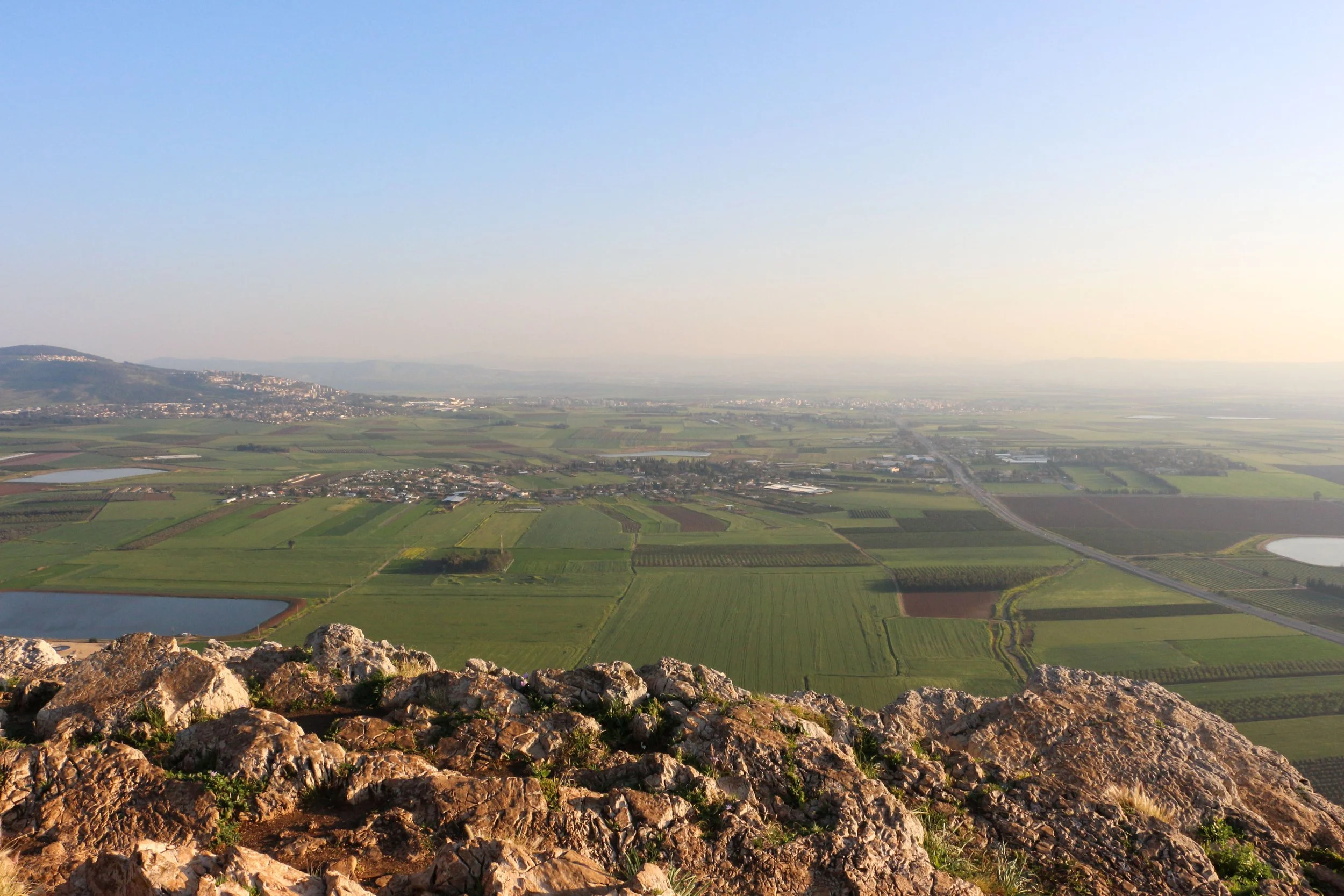
Our first stop is the Precipice of Nazareth, overlooking the valley below. It was near here that the people of Nazareth sought to throw Jesus from a cliff after He read from Isaiah in the synagogue and declared its fulfillment (Luke 4:16–30). From this dramatic vantage point, we reflect on the rejection Jesus faced in His hometown and the early opposition to His ministry.
We continue to Megiddo, the ancient city that guarded the entrance to the Jezreel Valley. This fortified site witnessed numerous battles throughout biblical history and later became symbolically associated with Armageddon (Revelation 16:16). From its heights we survey the valley that has served as a stage for conflict from the days of Deborah and Barak (Judges 4–5) to the later kings of Israel and Judah (2 Kings 23:29).

Ascending to Mount Carmel, we recall Elijah’s dramatic confrontation with the prophets of Baal (1 Kings 18). It was here that fire fell from heaven in response to Elijah’s prayer, and the people declared, “The Lord, He is God!” (1 Kings 18:39). Standing on this ridge overlooking the Mediterranean, we consider the boldness of prophetic faith in the face of idolatry.
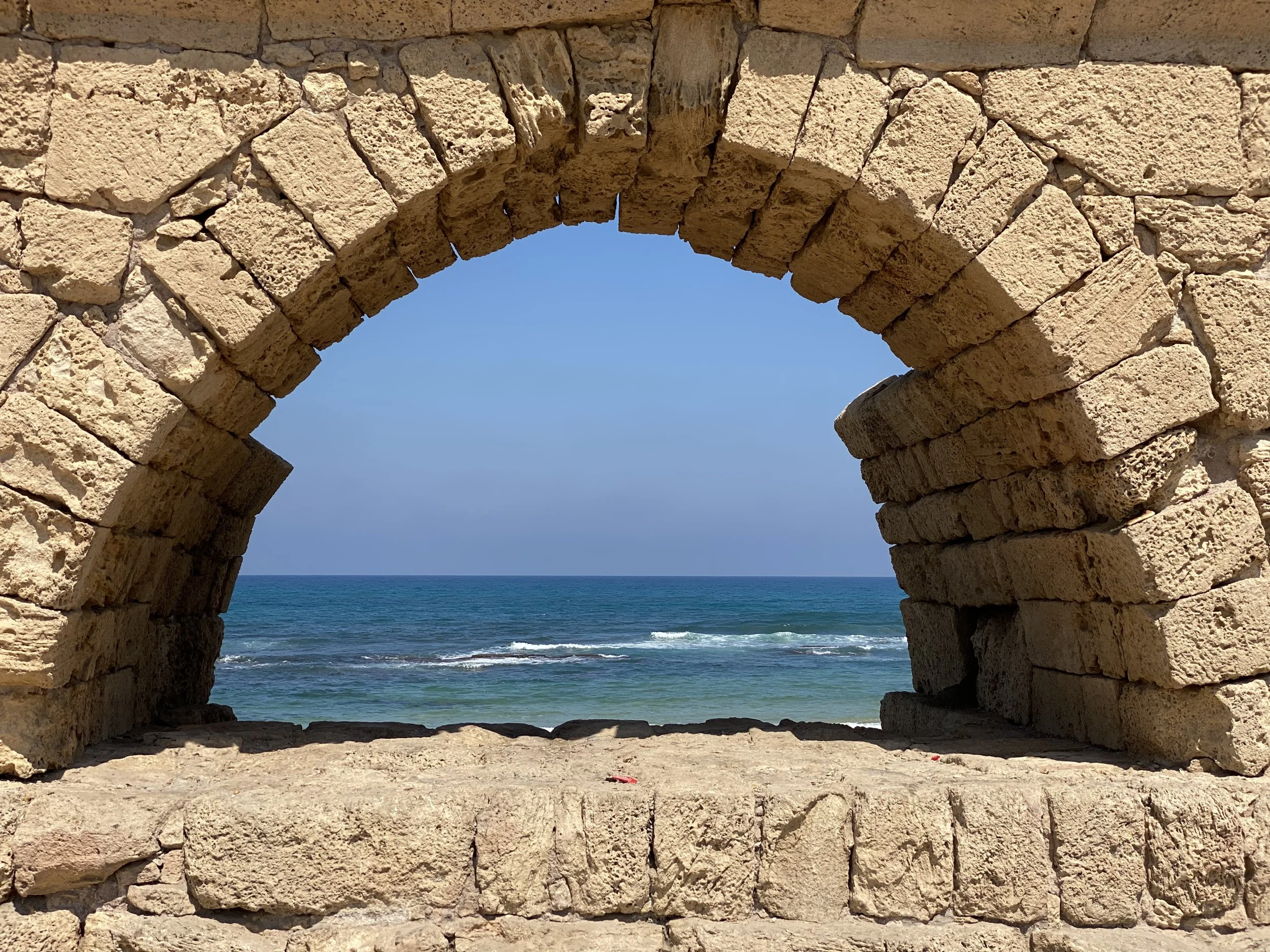
We then travel to Caesarea Maritima, the grand port city built by Herod the Great. Here we explore the Roman theater, aqueduct, and harbor complex. Caesarea played a central role in early Christian history: it was the residence of Cornelius, the first Gentile convert (Acts 10), and the place where Paul was imprisoned and made his defense before Felix, Festus, and King Agrippa before being sent to Rome (Acts 23–26).
Continuing south along the Mediterranean coast, we arrive at Jaffa (Joppa), one of the world’s oldest port cities. From this harbor Jonah fled in an attempt to escape God’s call (Jonah 1:3). Centuries later, Peter stayed in the house of Simon the Tanner, where he raised Dorcas (Tabitha) from the dead (Acts 9:36–43) and received the vision that opened the Gospel to the Gentiles (Acts 10:9–16). From the hilltop, we enjoy sweeping views of the coastline and reflect on the expanding mission of God.
By evening, we ascend through the Judean hills to Jerusalem, the city chosen by God and central to redemptive history.
Overnight: Jerusalem.
Day 11 – Wednesday, May 26
Today we immerse ourselves in Jerusalem and its surrounding region, tracing the life, death, and birth of Jesus within the city central to biblical faith.
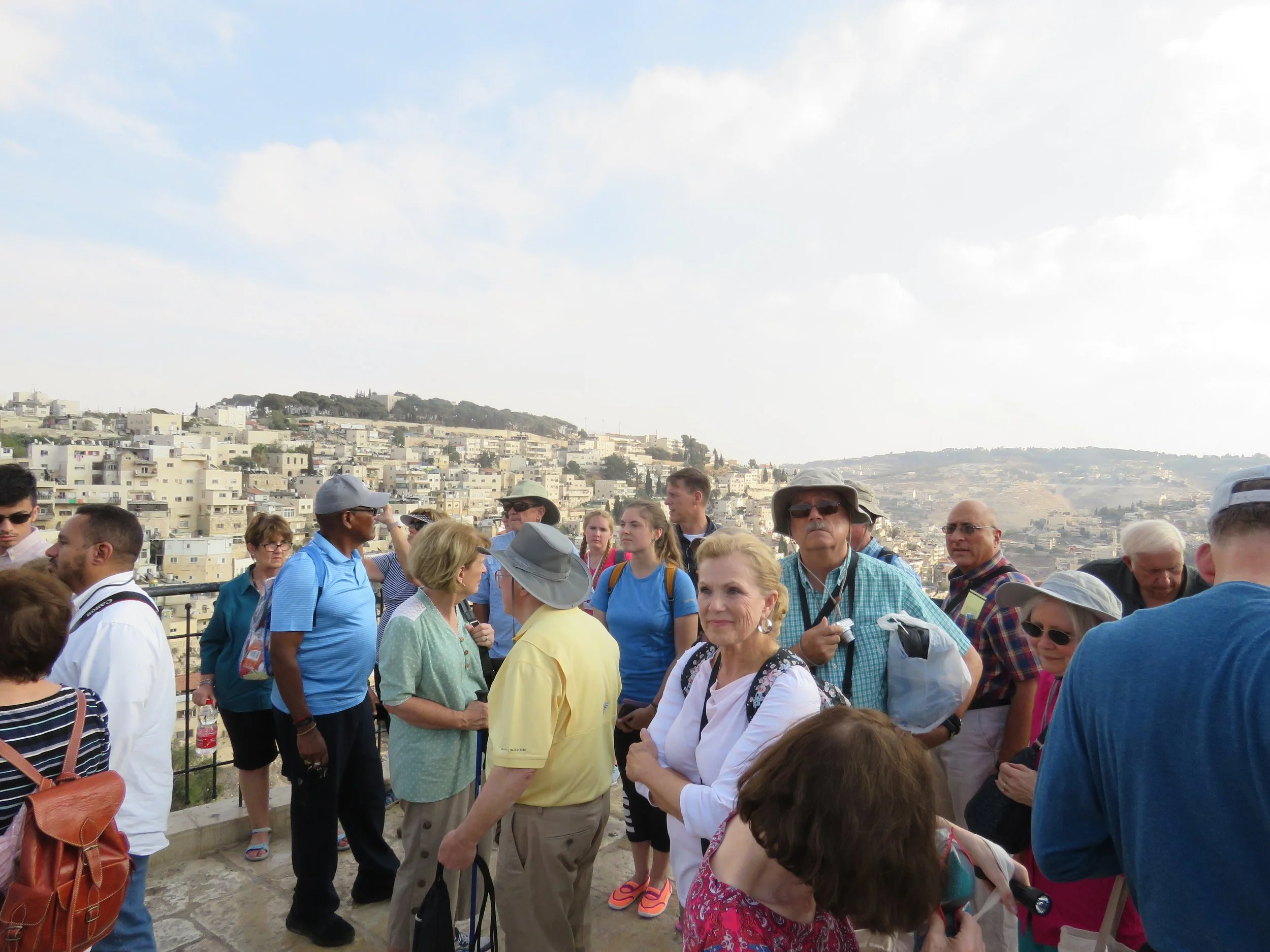
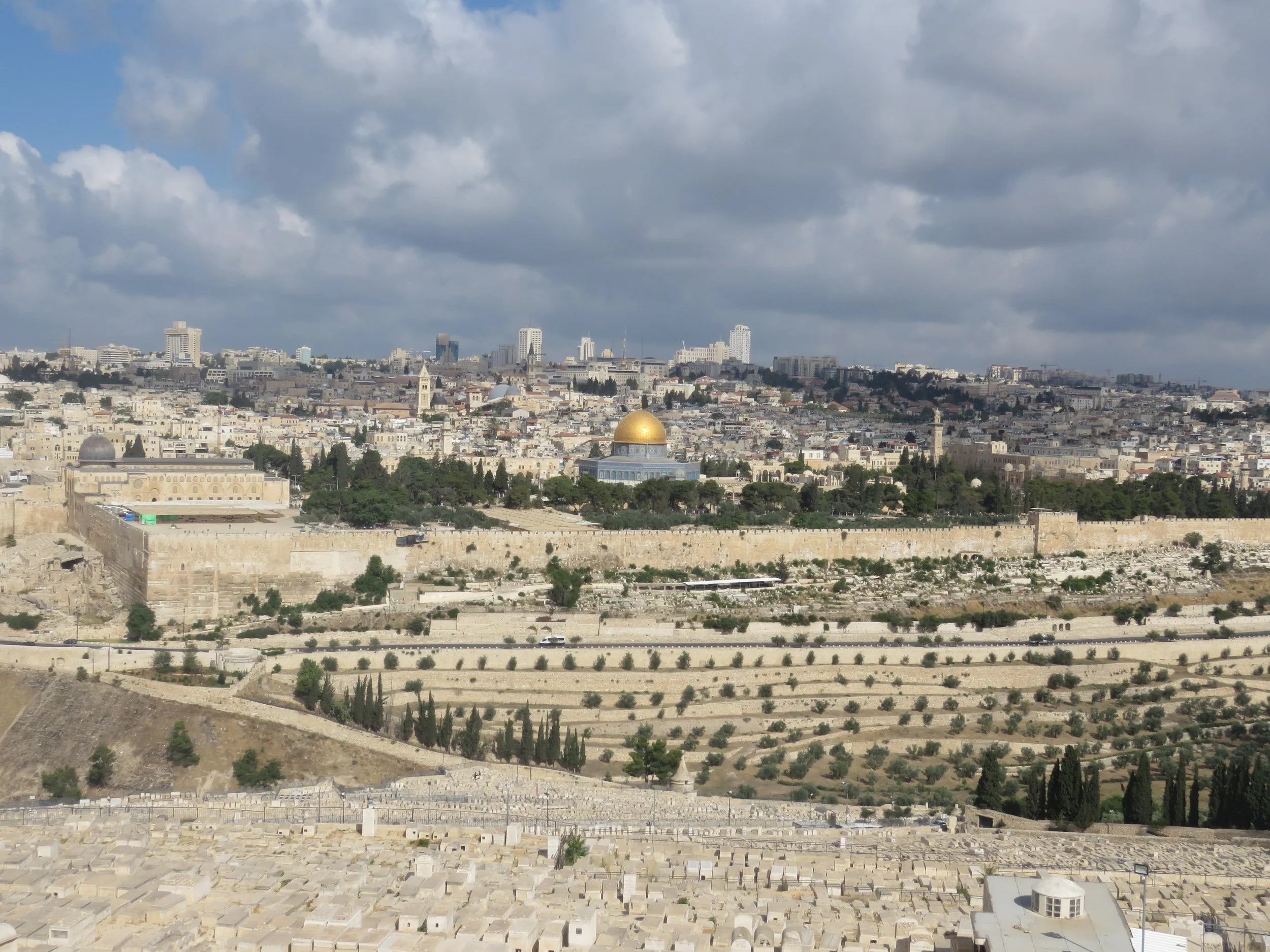
We begin on the Mount of Olives, overlooking the Old City and the Temple Mount. From this vantage point, Jesus wept over Jerusalem (Luke 19:41–44), delivered His Olivet Discourse concerning the end of the age (Matthew 24–25), and later ascended into heaven (Acts 1:9–12). The panoramic view provides a powerful orientation to the geography of the Passion Week.
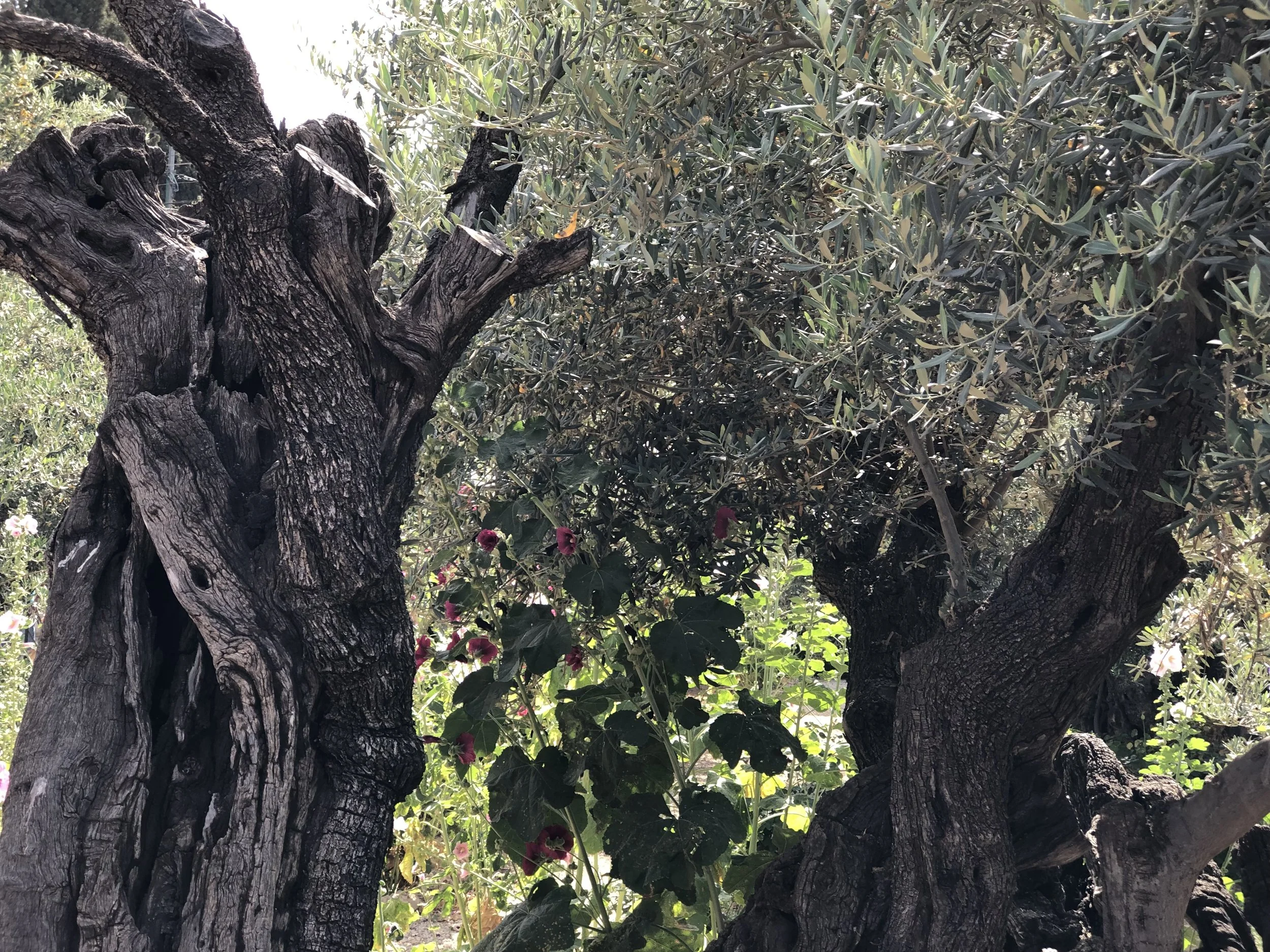
Descending the slope, we enter the Garden of Gethsemane, where Jesus prayed in agony before His arrest (Matthew 26:36–46; Luke 22:39–46). Among ancient olive trees, we reflect on His submission to the Father’s will: “Not My will, but Yours be done.”
Entering the Old City, we visit St. Anne’s Church and the nearby Pools of Bethesda, where Jesus healed a man who had been infirm for thirty-eight years (John 5:1–15). The remarkable excavations here provide vivid confirmation of the setting described in the Gospel of John.
We continue to the Church of the Holy Sepulcher, traditionally identified as the site of Golgotha and the tomb of Christ (Matthew 27–28; John 19–20). Here we contemplate the crucifixion and resurrection—the central events of the Christian faith—where death was conquered and redemption accomplished.
Traveling just south of Jerusalem, we visit Herodium, the desert fortress-palace built by Herod the Great. This dramatic site recalls the reign of the king who sought the life of the infant Jesus (Matthew 2:16) and provides insight into the political world of the New Testament.
We then journey to Bethlehem, the City of David, where Jesus was born (Micah 5:2; Luke 2:1–20). At the nearby Shepherds’ Fields, we remember the angelic announcement to the shepherds: “Glory to God in the highest” (Luke 2:8–14). Standing in these quiet hills, we reflect on the humble beginnings of the Messiah.
By evening, we return to Jerusalem, having walked through the places that frame both the birth and the sacrifice of Christ.
Overnight: Jerusalem.
Day 12 – Thursday, May 27
Today we explore Jerusalem’s rich Jewish history, tracing the layers of faith, destruction, endurance, and restoration that have shaped this city for over three thousand years.
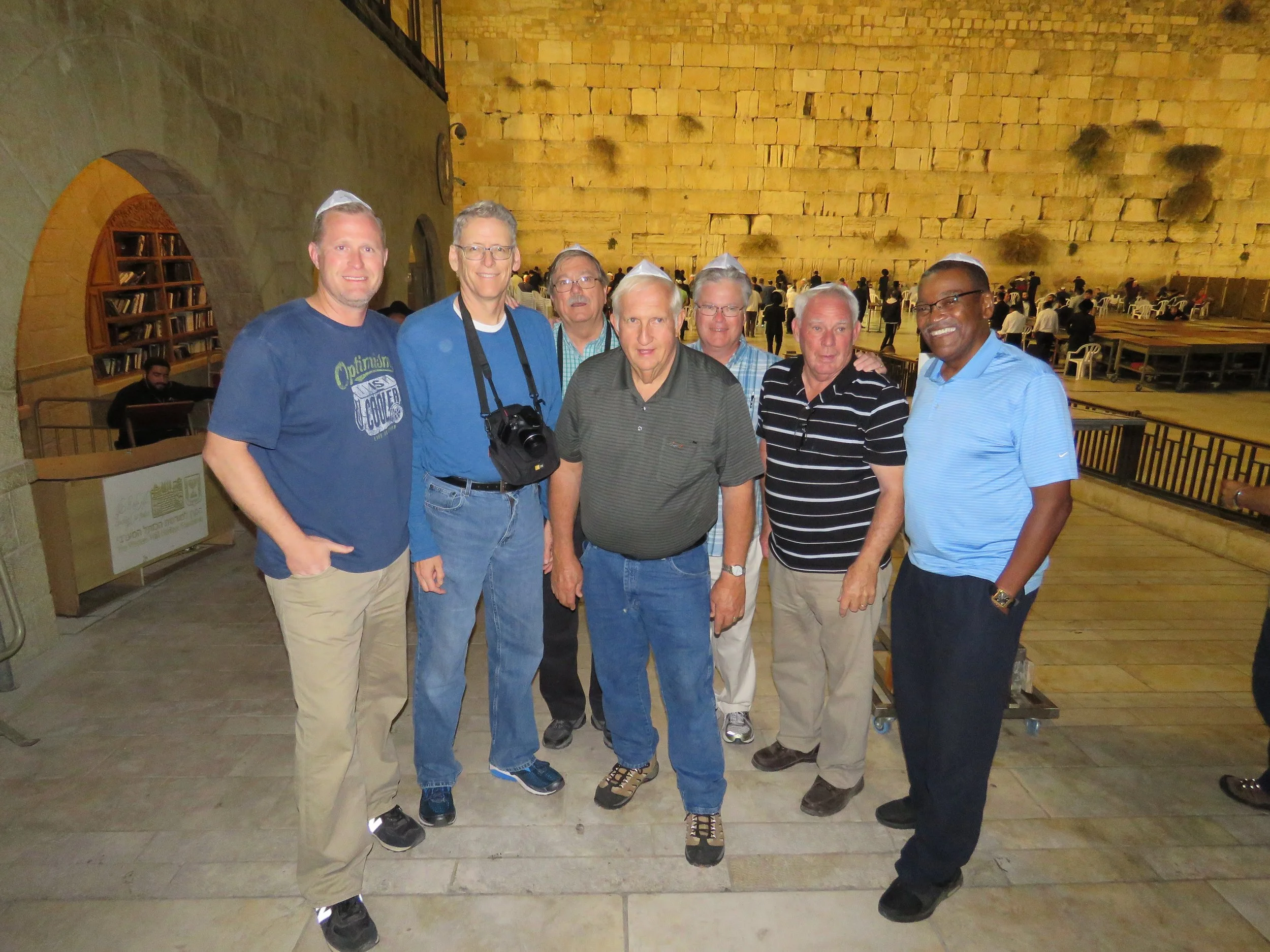
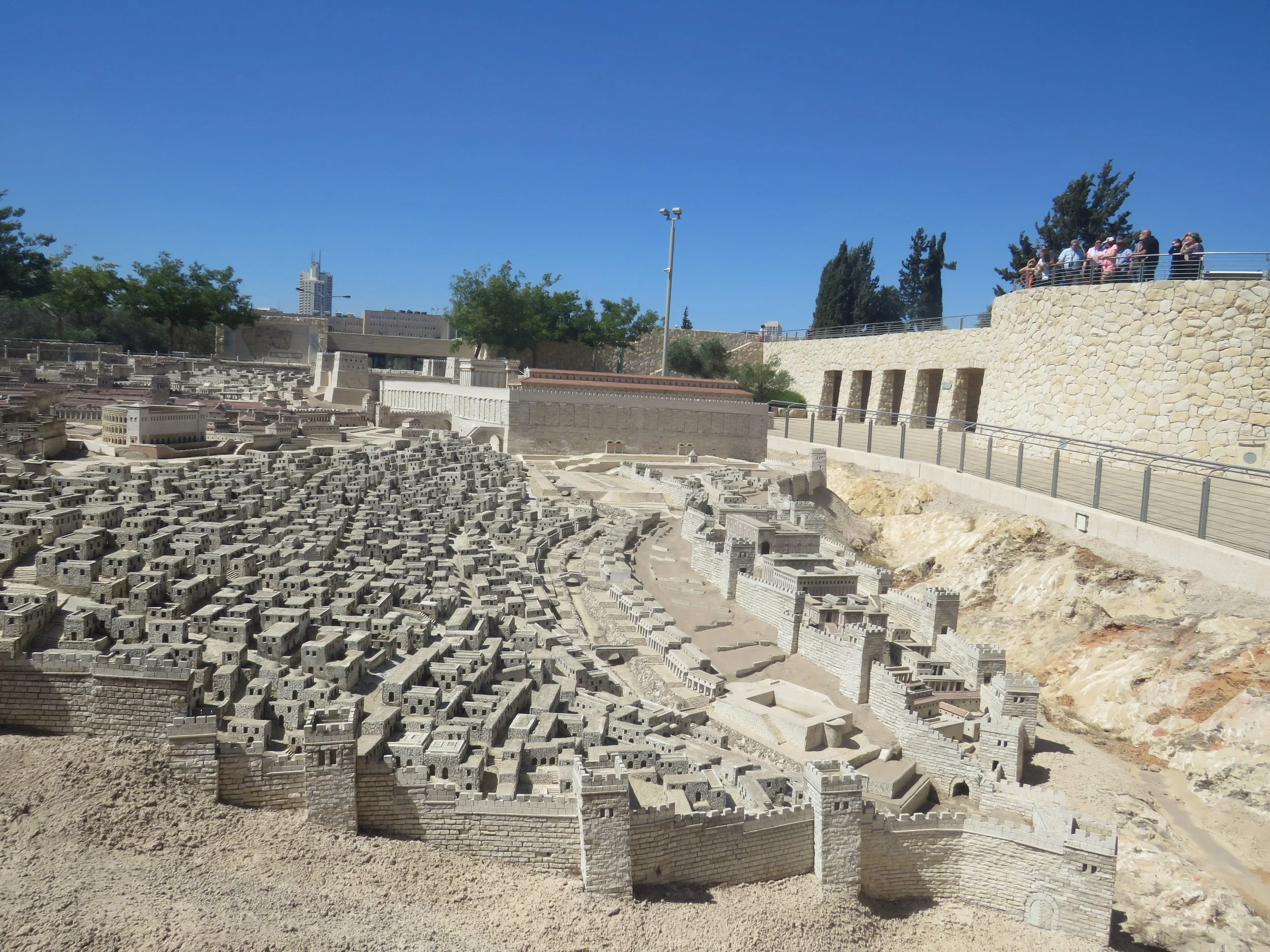
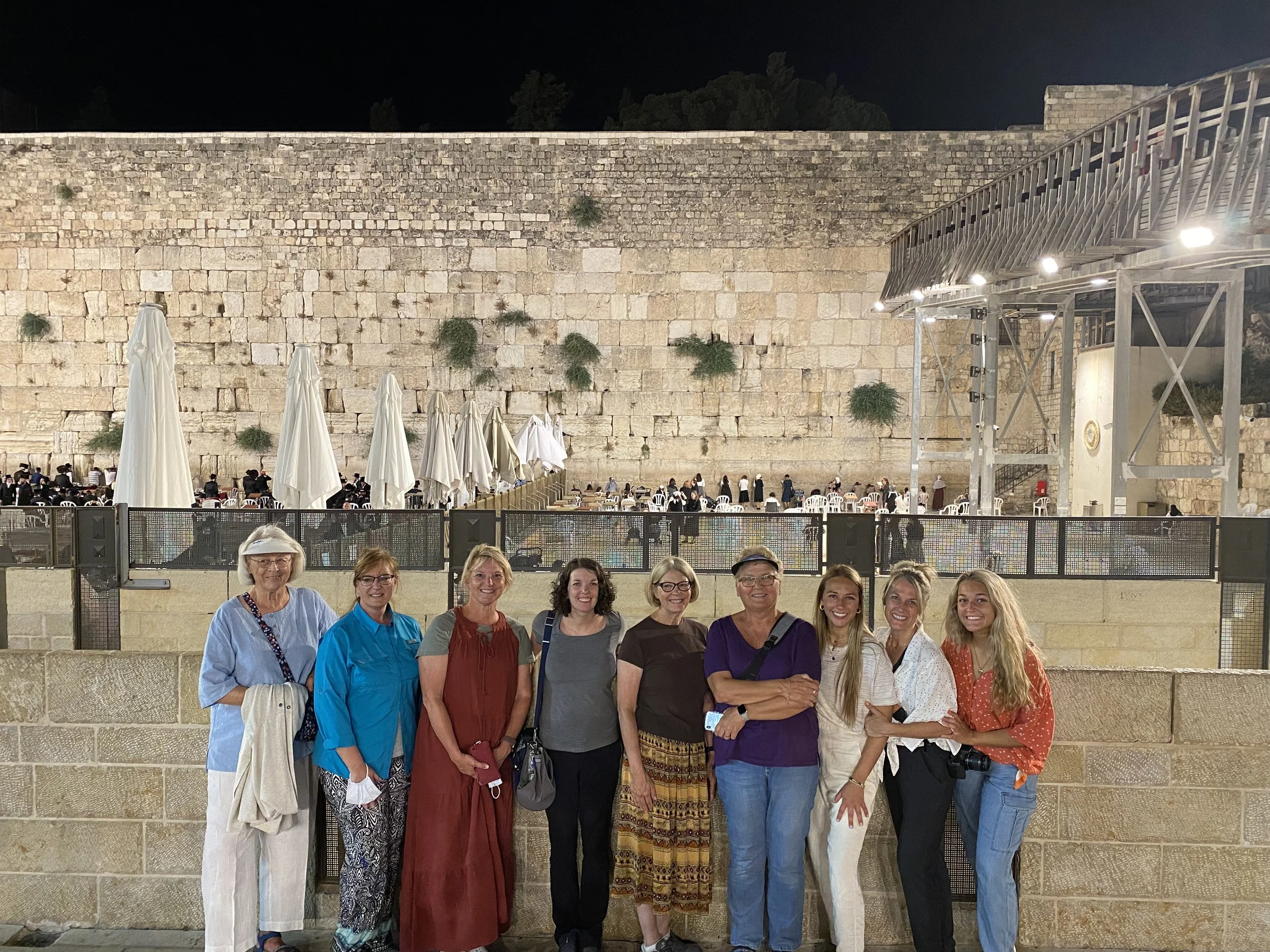
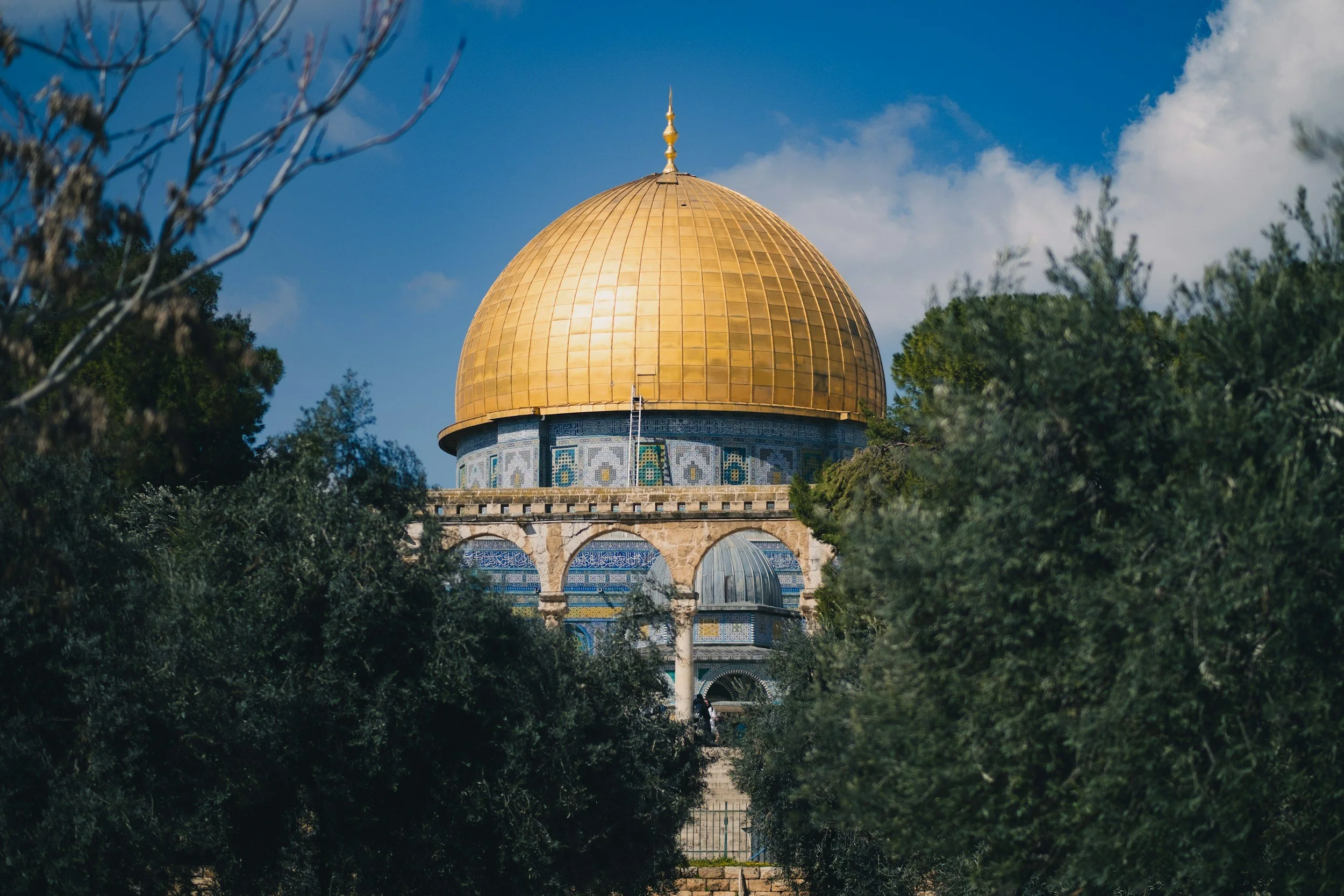
We begin at the Western Wall, the surviving retaining wall of Herod’s Temple complex and the holiest accessible site in Judaism. Here we reflect on Solomon’s dedication of the First Temple (1 Kings 8), the rebuilding efforts under Zerubbabel (Ezra 3–6), and the grandeur of Herod’s expansion (John 2:20). As we walk through the Western Wall Tunnels, we see massive Herodian stones hidden beneath the surface, gaining a vivid understanding of the scale of the Second Temple period and the world of Jesus.
We then visit the Israel Museum, home to the Shrine of the Book, where the Dead Sea Scrolls are displayed—some of the oldest biblical manuscripts ever discovered. Here we consider the remarkable preservation of Scripture and its transmission through the centuries.
At the Church of Gallicantu, traditionally associated with the house of Caiaphas, we recall Peter’s denial of Jesus (Luke 22:54–62). From this hillside location overlooking the City of David, we reflect on the events of that solemn night and the fulfillment of Jesus’ words.
As time permits, we may visit the traditional site of the Stone Pavement (Lithostrotos), associated with Jesus’ trial before Pilate (John 19:13), contemplating the injustice that preceded the crucifixion.
Finally, we travel to Bethany, where Jesus raised Lazarus from the dead (John 11). Standing near the traditional site of Lazarus’ tomb, we remember Jesus’ declaration: “I am the resurrection and the life.” This quiet village, just east of Jerusalem, offers a powerful reminder of hope in the shadow of death.
We return to Jerusalem for the evening, having walked through the enduring story of Jewish faith, Temple worship, exile, return, and redemption.
Overnight: Jerusalem.
Day 13 – Friday, May 28
On our final full day in Jerusalem, we focus on the city’s rich archaeological record and the physical settings that illuminate the biblical narrative.
We begin at the Garden Tomb, a peaceful setting outside the Old City walls that provides an evocative context for reflecting on the death and resurrection of Jesus (John 19–20). Whether viewed devotionally or historically, this location allows us to contemplate the empty tomb and the hope of the resurrection.
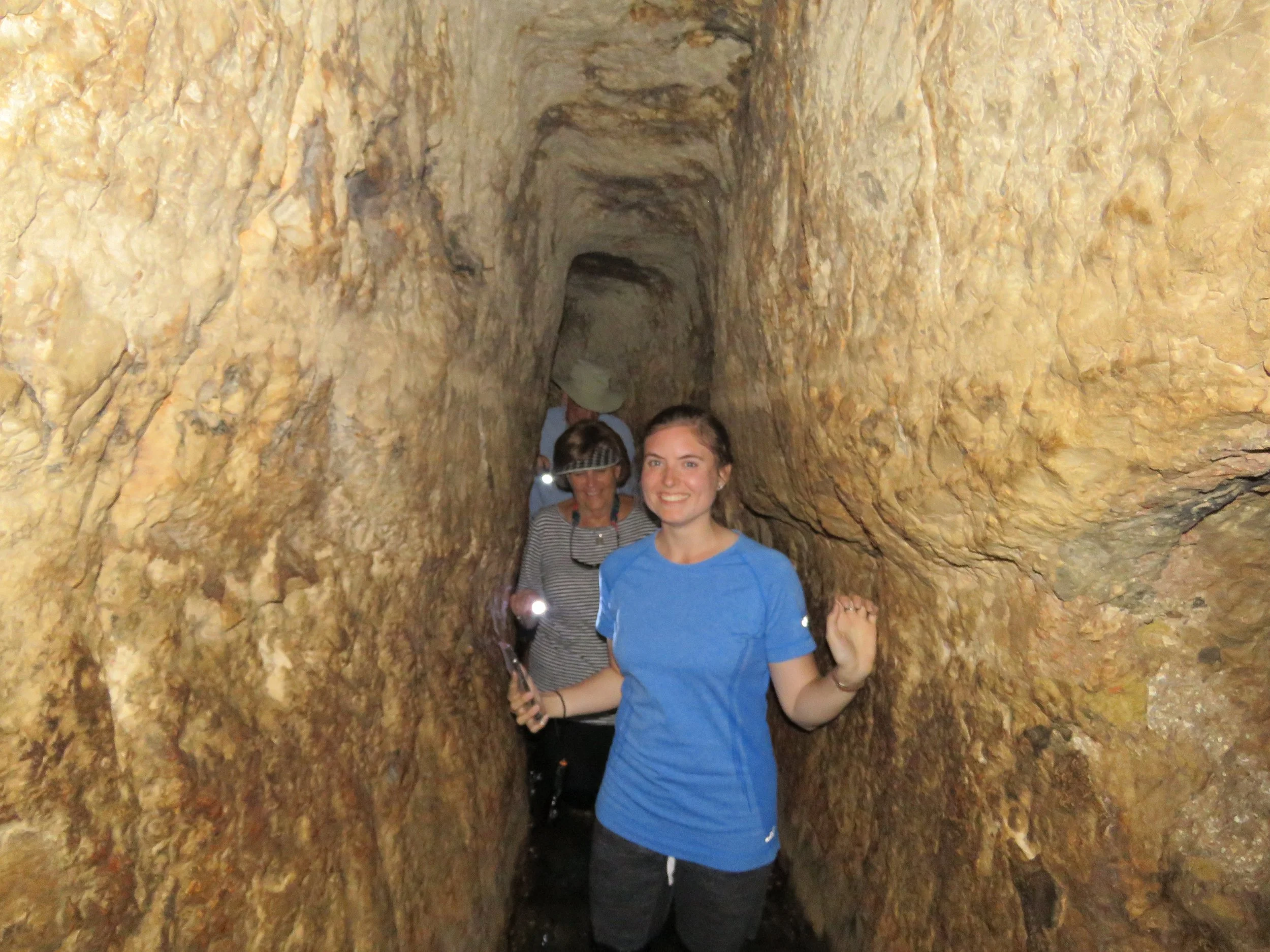
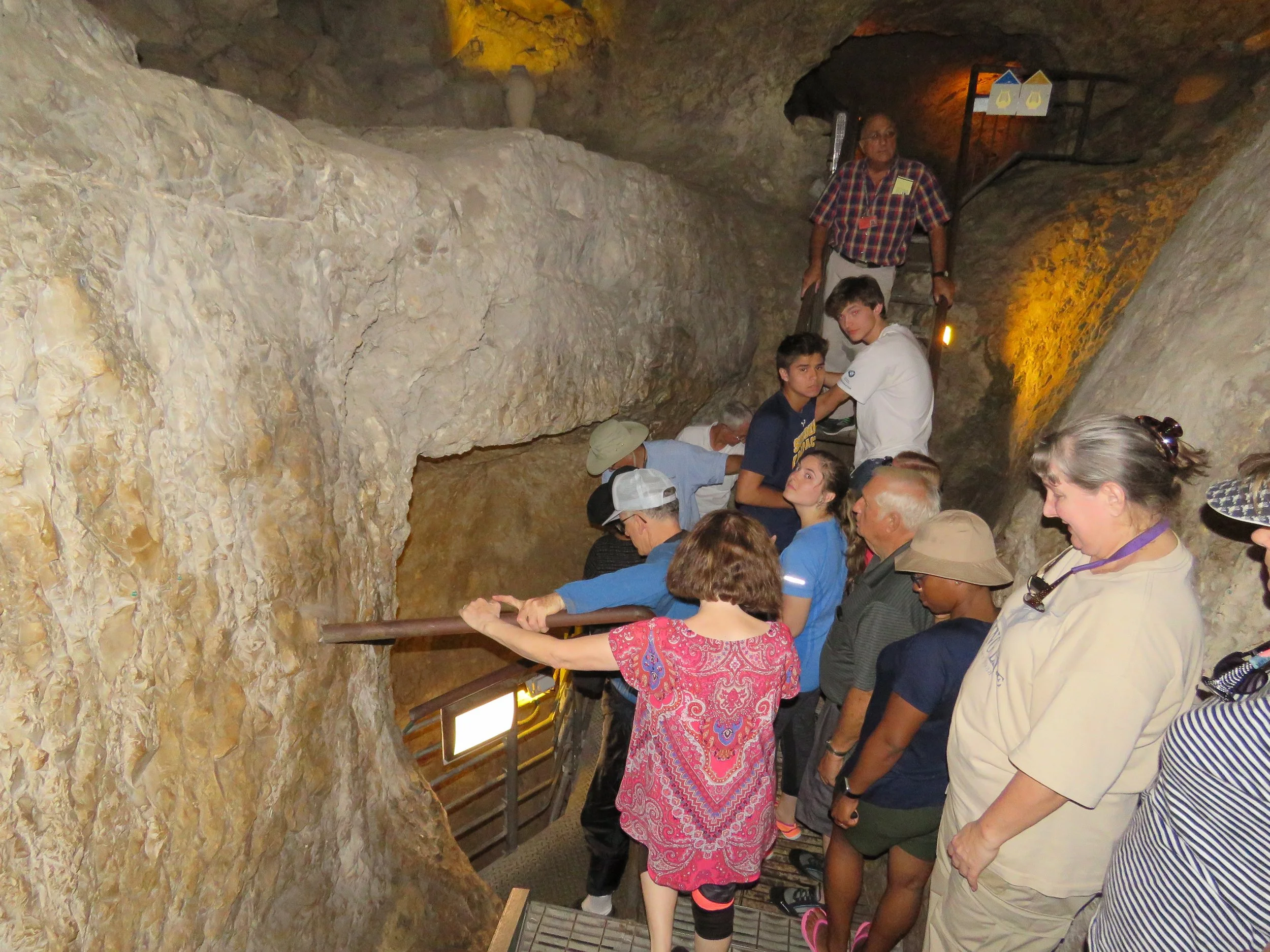
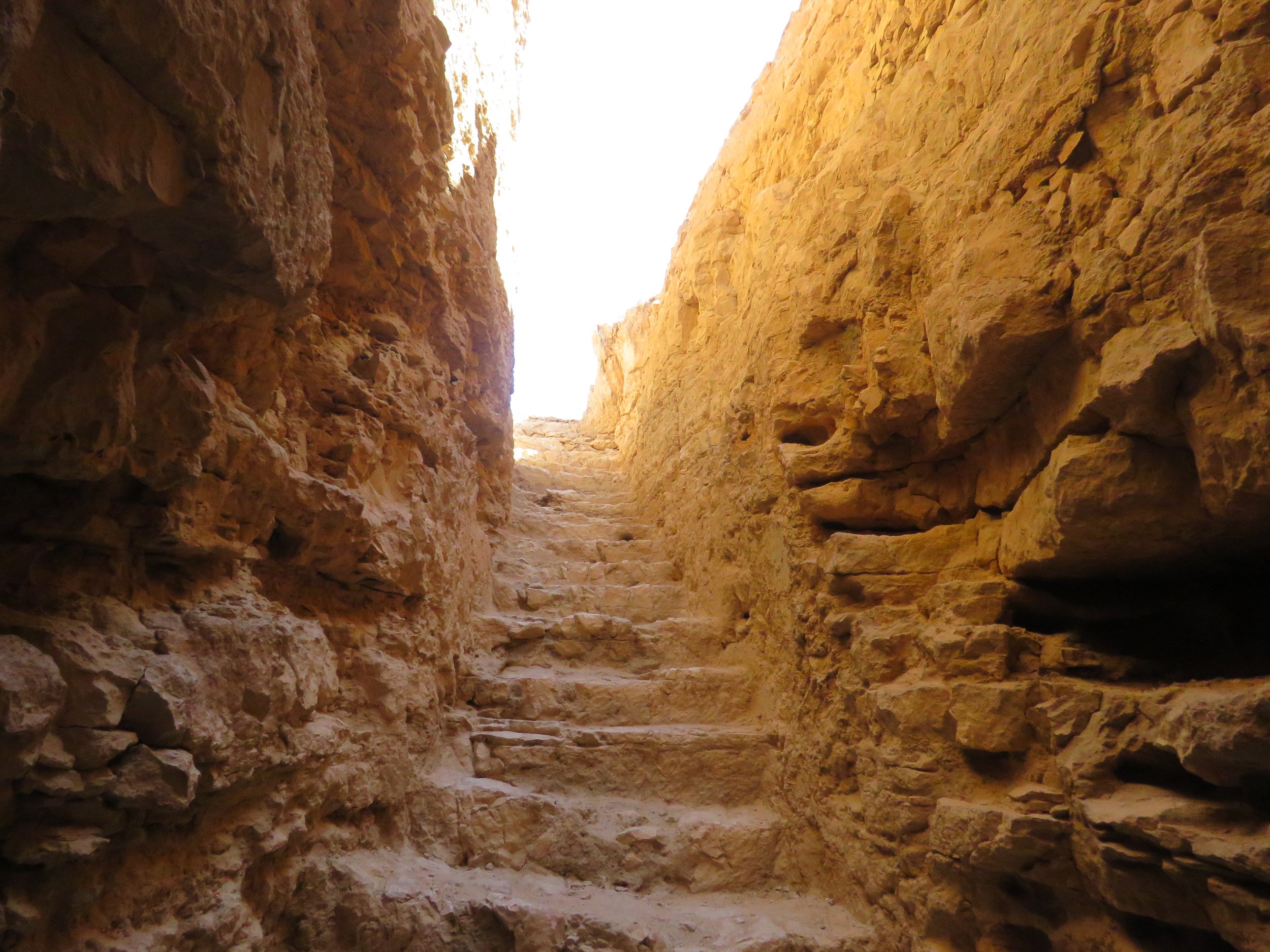
We then explore the City of David, the original core of ancient Jerusalem captured by King David (2 Samuel 5:6–9). Here we walk through the remains of ancient fortifications and water systems that sustained the city in times of siege. Descending into Hezekiah’s Tunnel, we experience the remarkable engineering project described in 2 Kings 20:20 and 2 Chronicles 32:30, where water was redirected into the city in preparation for the Assyrian threat.
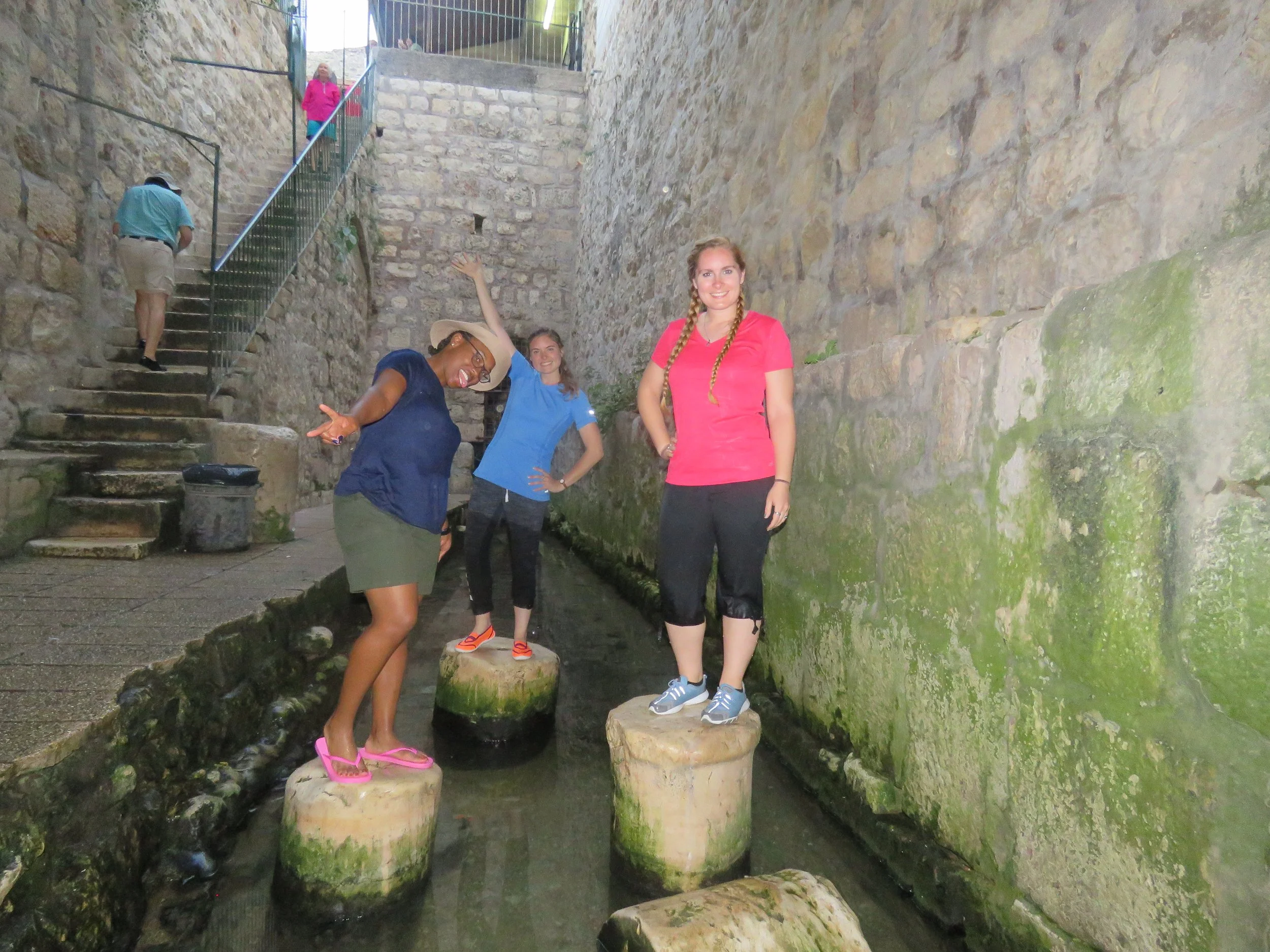
Emerging at the Pool of Siloam, we stand at the site where Jesus healed the man born blind (John 9:1–11). Recent excavations have uncovered portions of the Second Temple–period pool and the stepped street that once led worshipers up to the Temple Mount.
At the Southern Wall Excavations, we see the monumental staircases and gates through which Jewish pilgrims ascended to the Temple in the days of Jesus (Acts 2). These massive Herodian stones provide tangible connection to the world of first-century Jerusalem and the earliest days of the Church.
The afternoon allows for free time in the Old City, offering opportunities for personal reflection, exploration, or meaningful conversations in the very streets where prophets, priests, and apostles once walked.
In the evening, we gather for a special Farewell Dinner in Jerusalem, celebrating the fellowship we have shared and reflecting on the spiritual and historical journey we have experienced together.
Overnight: Jerusalem
Day 14 Tour Group Returns Home
Depart Tel Aviv to the U.S.
Price
Price: $3,500 pp
Single Supplement: $1,330pp
Flights will depart from and return to Ben Gurion Airport based on your city of origin. We strongly recommend booking early, and Seeing His World is happy to assist with all flight arrangements upon request.
If you would like to arrive a day early, hotel accommodations can be arranged through our travel partners—just let us know in advance. Since the airport is not located near major attractions, you may choose to stay either in Tel Aviv, along the coast, or at a hotel near the airport. We can assist with any of these options.
For those arriving early, we will provide clear instructions on when and where to meet the group for pickup at the airport. Most flights from the U.S. arrive in Israel in the morning (typically between 9:00–11:00 AM), and we will advise on the most suitable flights for group coordination.
Please note that there will be one scheduled group transfer from the airport on the day of departure. If your flight arrives after the designated transfer time, you will need to arrange your own transportation to meet the group.
We will work closely with all participants to coordinate flights and ensure everyone is together for our group departure from the airport on Monday, May 17.
Prices Exclude:
International flights
Tips (guides, drivers, escorts, porters, hotel and restaurant staff)
Beverages with meals
Lunches
Taba departure tax – USD 35.00 per person
Arava departure tax – USD 35.00 per person
Entry visa to Egypt – USD 30.00 per person (no FOC, subject to change)
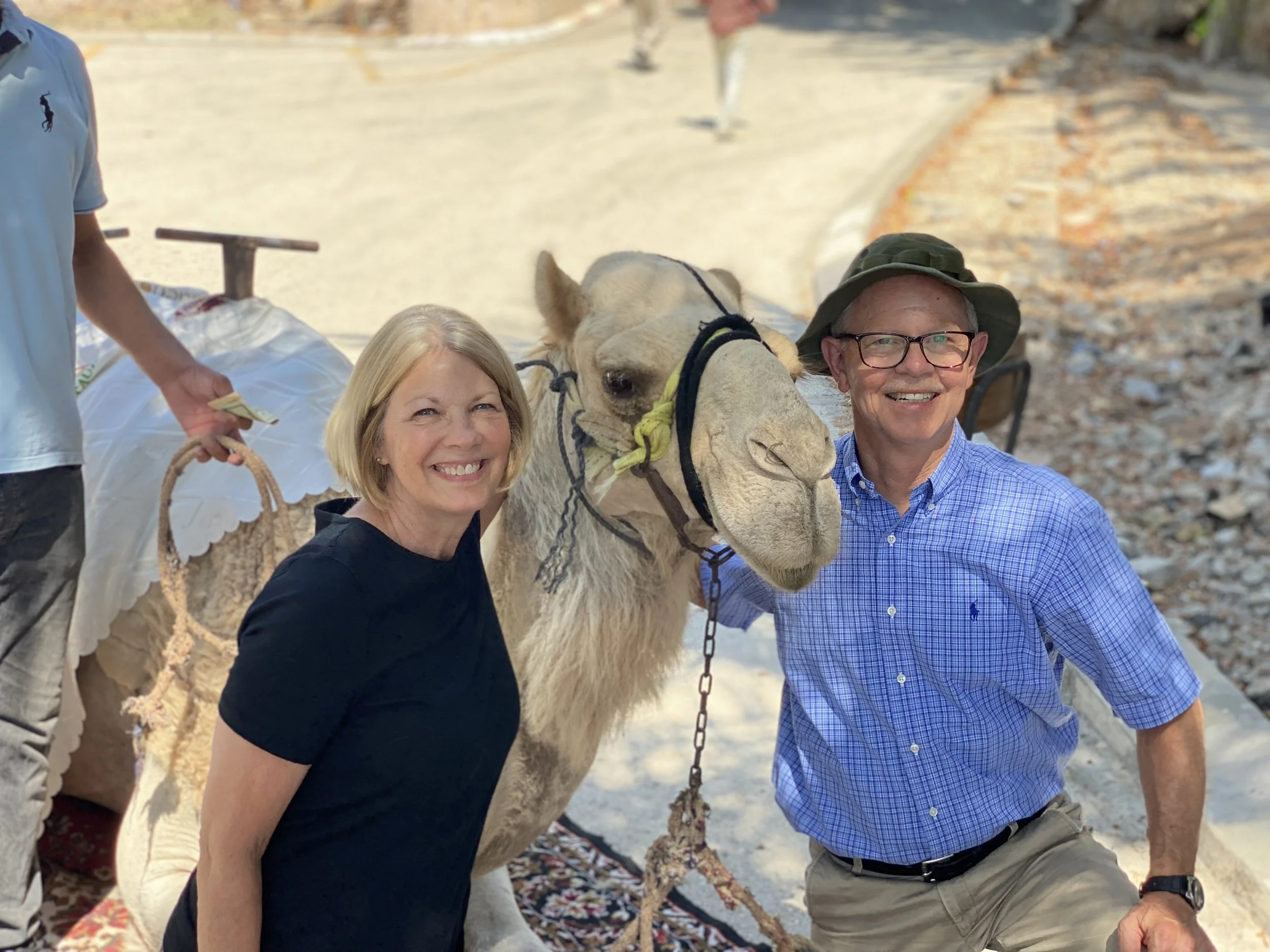
Camel ride in St. Catherine
Any additional entrance fees not listed in the program
Personal expenses, drinks, and extra meals
Any items not specifically mentioned as included in the program
