Tulips, Windmills, and the Reformation Viking Cruise:
Discovering the Birth of the English Bible
A Viking River Cruise & Exclusive Educational Experience
March 18–27, 2028
**Optional Post-Cruise Reformation Experience
In the Footsteps of William Tyndale
A Reformation Journey through Amsterdam, Antwerp & Leuven
Featuring the Anne Frank House & the Windmills of Zaanse Schans
March 27–30, 2028
Itinerary
Friday, March 17, 2028
Depart US to AmsterdamSaturday- March 18, 202Amsterdam, The Netherlands – Embarkation
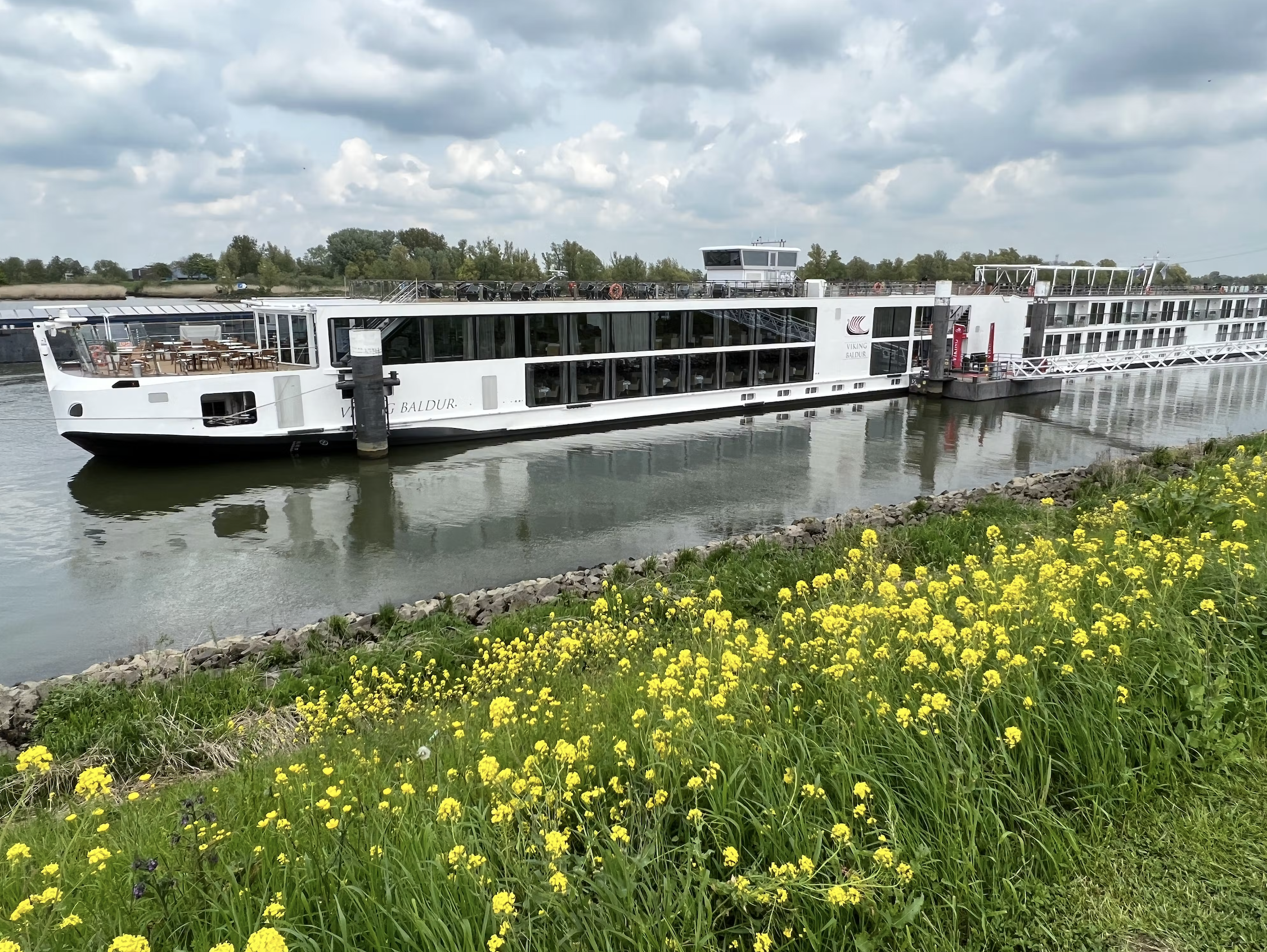
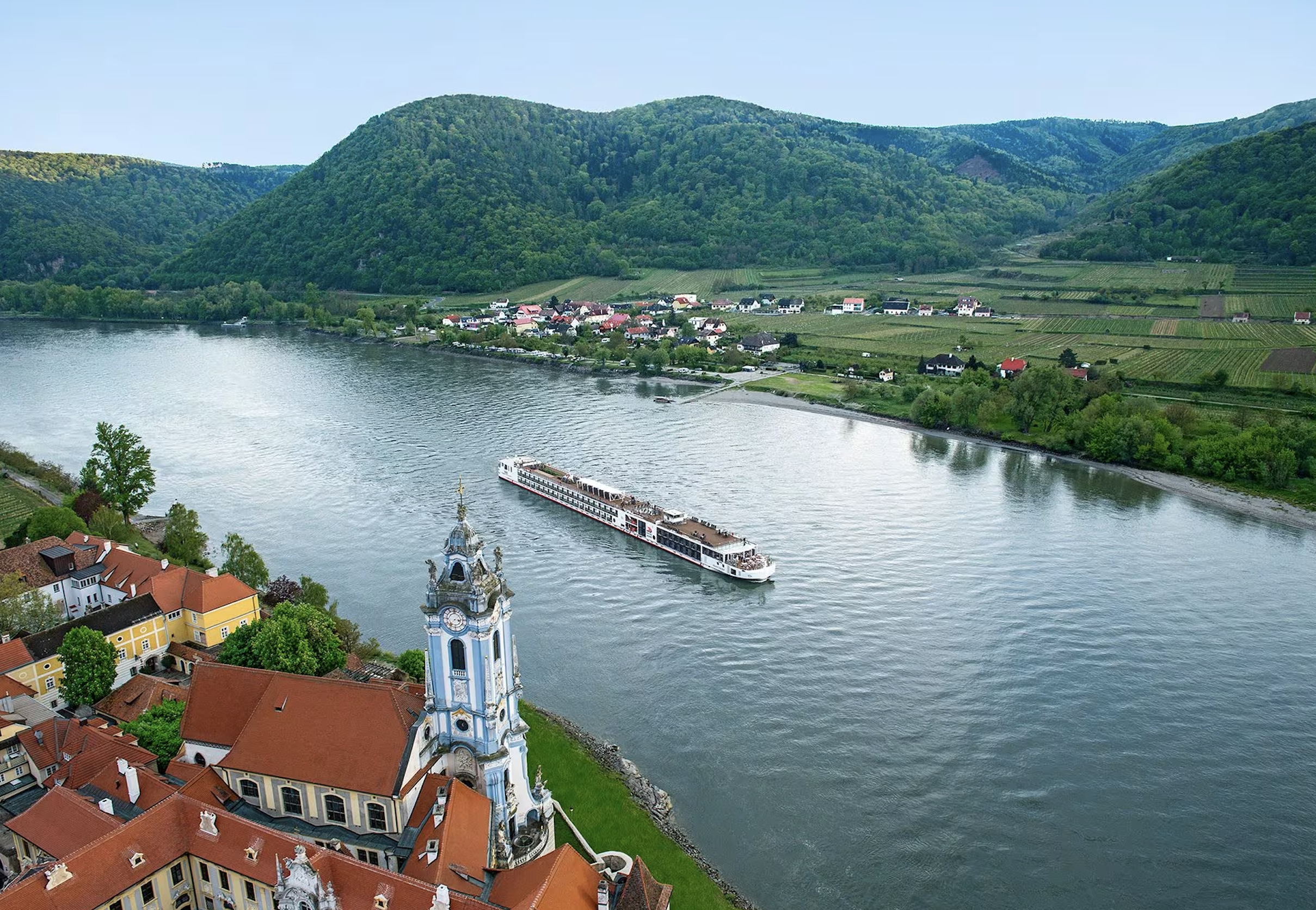
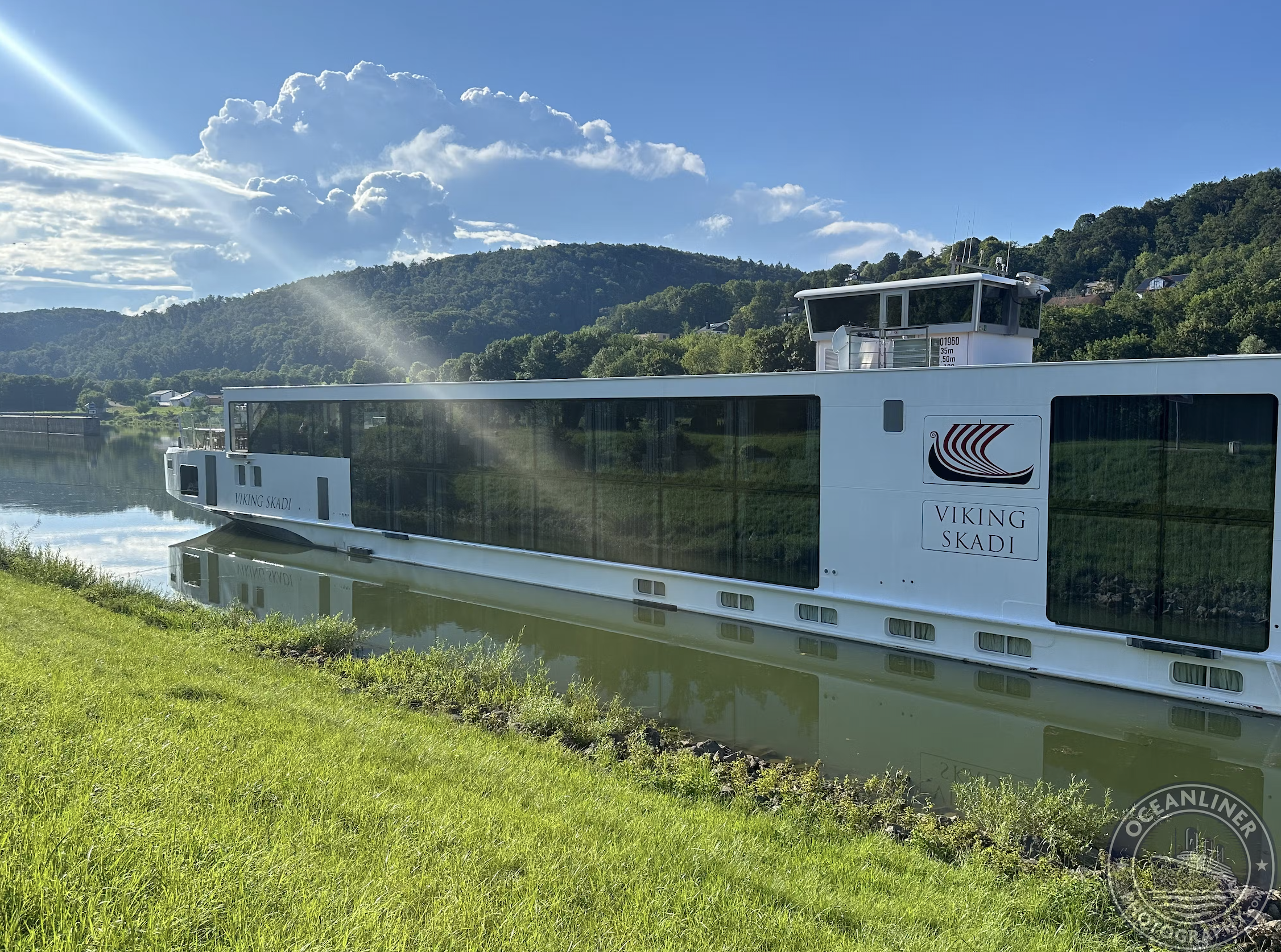
Welcome to Amsterdam, where your Seeing His World educational journey begins. Guests will board their Viking Longship throughout the afternoon and have time to settle into their staterooms before the evening activities. Following Viking's required safety briefing and onboard dinner, join your fellow travelers for a special Seeing His World Welcome Reception and Orientation, where Dr. Jonathan Moore will introduce the journey ahead and present the opening seminar.
Seeing His World Welcome Reception & Orientation
7:30–8:30 p.m.
Meet your fellow travelers, receive an overview of the educational experience, and enjoy the first presentation:
Important Arrival Information
Transportation from Amsterdam Schiphol Airport to the Viking embarkation port is not included in the package price.
Transfers may be arranged directly through Viking Cruises or independently by taxi or rideshare.
Guests wishing to arrive one or more days prior to embarkation may arrange pre-cruise accommodations through Adventure Therapy Travel, subject to availability.
Embarkation
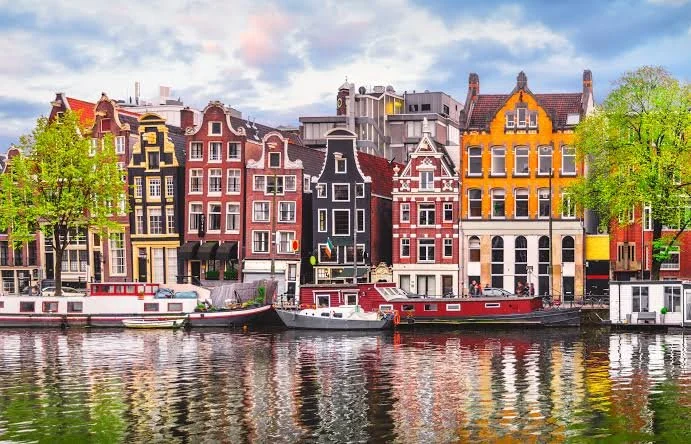
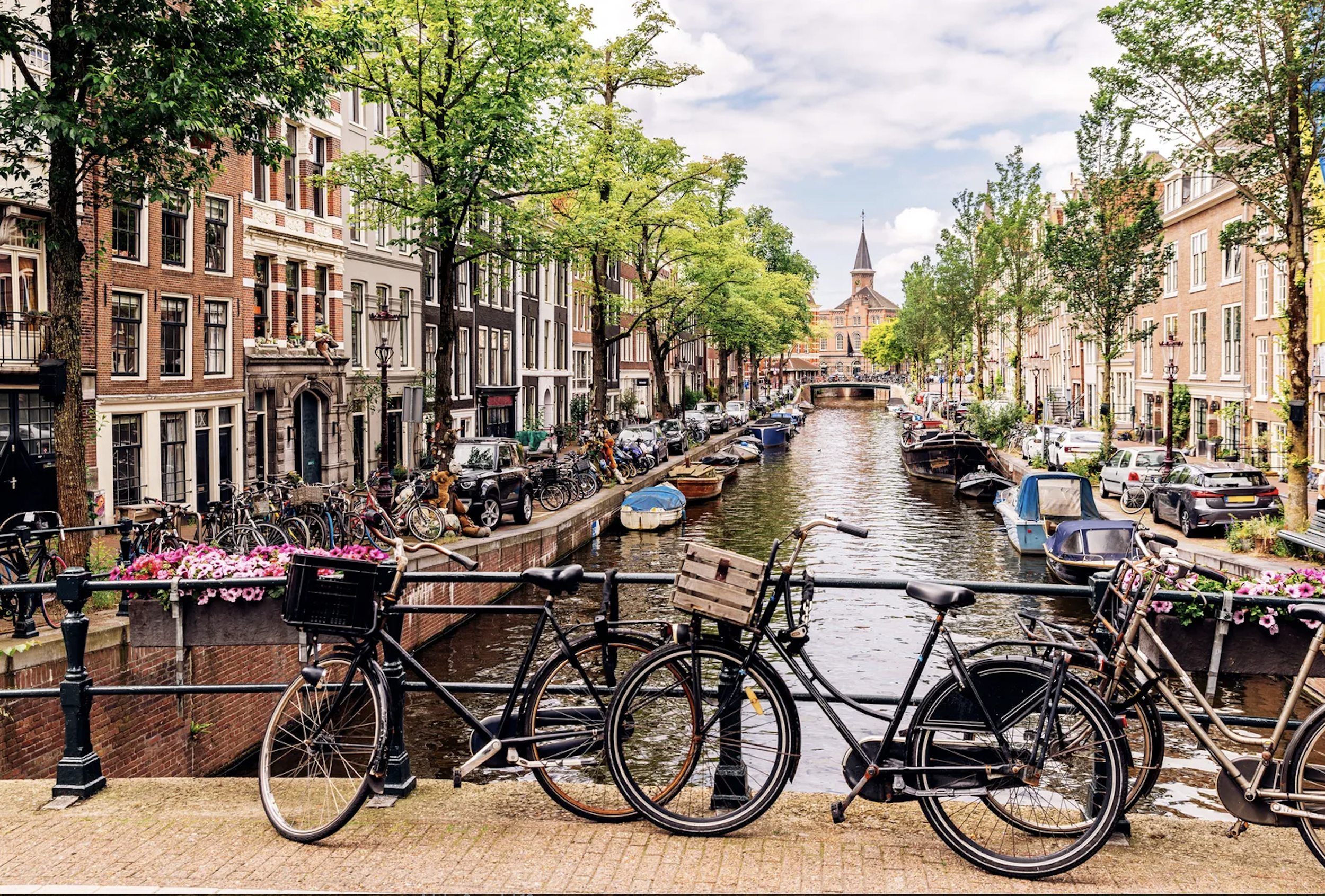
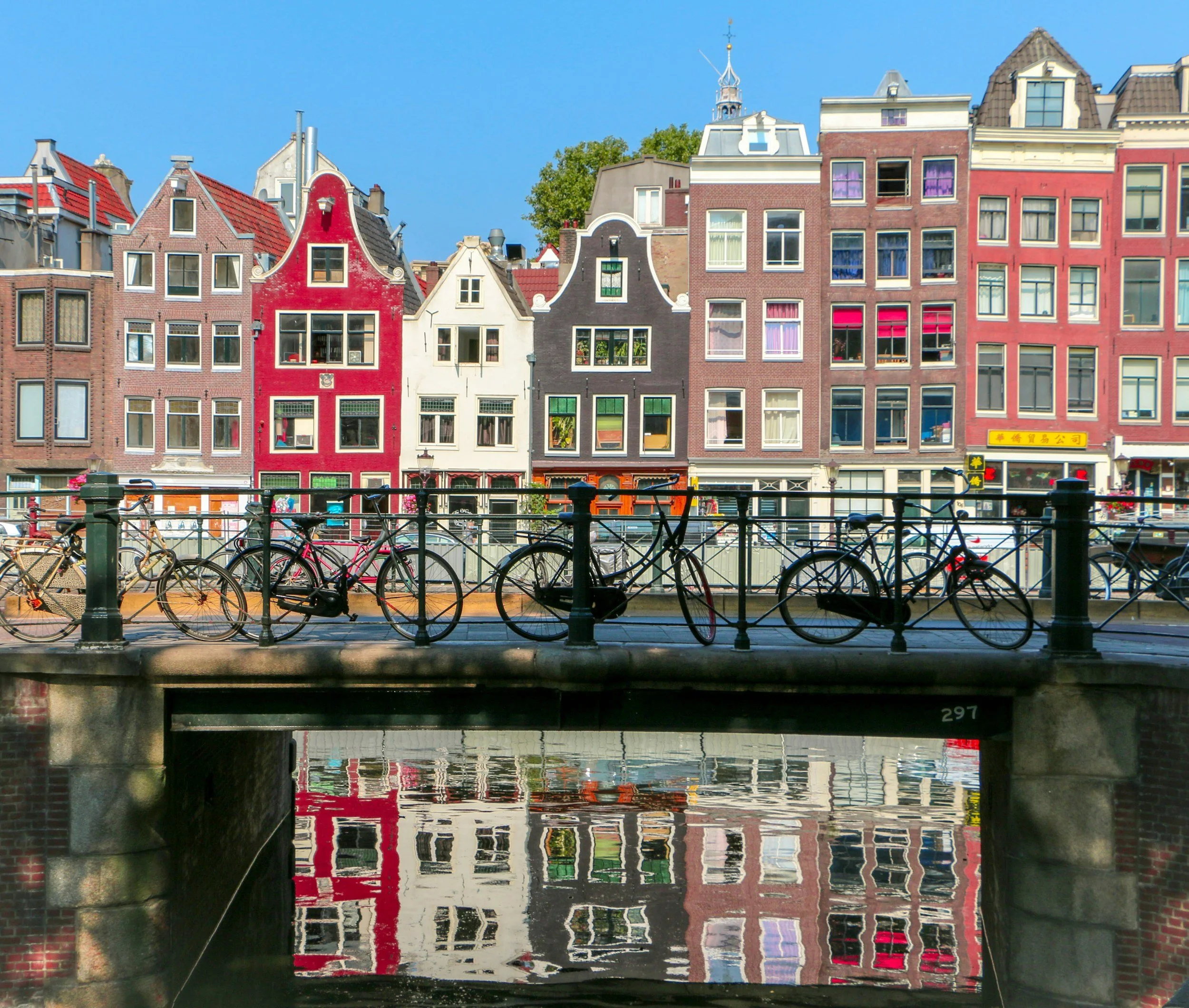
Amsterdam welcomes us to one of Europe's most beautiful capitals. Built upon a network of more than ninety islands connected by over 1,500 bridges, the city has long served as a center of commerce, finance, learning, and culture. Elegant canal houses, world-renowned museums, and bustling marketplaces reflect the prosperity of the Dutch Golden Age, while countless bicycles and pedestrian-friendly streets create one of Europe's most inviting cities to explore. As we board our Viking Longship and settle into our accommodations, we begin not simply a river cruise, but an extraordinary journey through the lands where the Protestant Reformation forever changed Christianity.
Although Amsterdam was not the birthplace of the Reformation, it eventually became one of Europe's greatest havens for religious refugees, printers, and merchants. During the sixteenth and seventeenth centuries, men and women fleeing persecution found increasing freedom in the Low Countries, allowing biblical scholarship, printing, and theological discussion to flourish in ways impossible elsewhere. Throughout our journey we will discover how God's providence used commerce, education, political change, and courageous individuals to preserve His Word and place the Scriptures into the hands of ordinary people.
Seeing His World Seminar One (Time/Location TBD)
Europe Before the Reformation
Our opening seminar establishes the historical foundation for everything we will experience during the coming days. What was Christianity like before the Reformation? Why was the Latin Vulgate considered the only authorized Bible throughout Western Europe? Why were ordinary Christians discouraged—or even forbidden—from reading the Scriptures in their own language? Together we will examine the spiritual climate of medieval Europe, the growing influence of Renaissance humanism, and the widespread desire to return ad fontes—"to the sources." Understanding the world before the Reformation allows us to fully appreciate the courage of those who would soon risk everything to restore God's Word to the people
Sunday- March 19, 2028
Amsterdam & Keukenhof Gardens
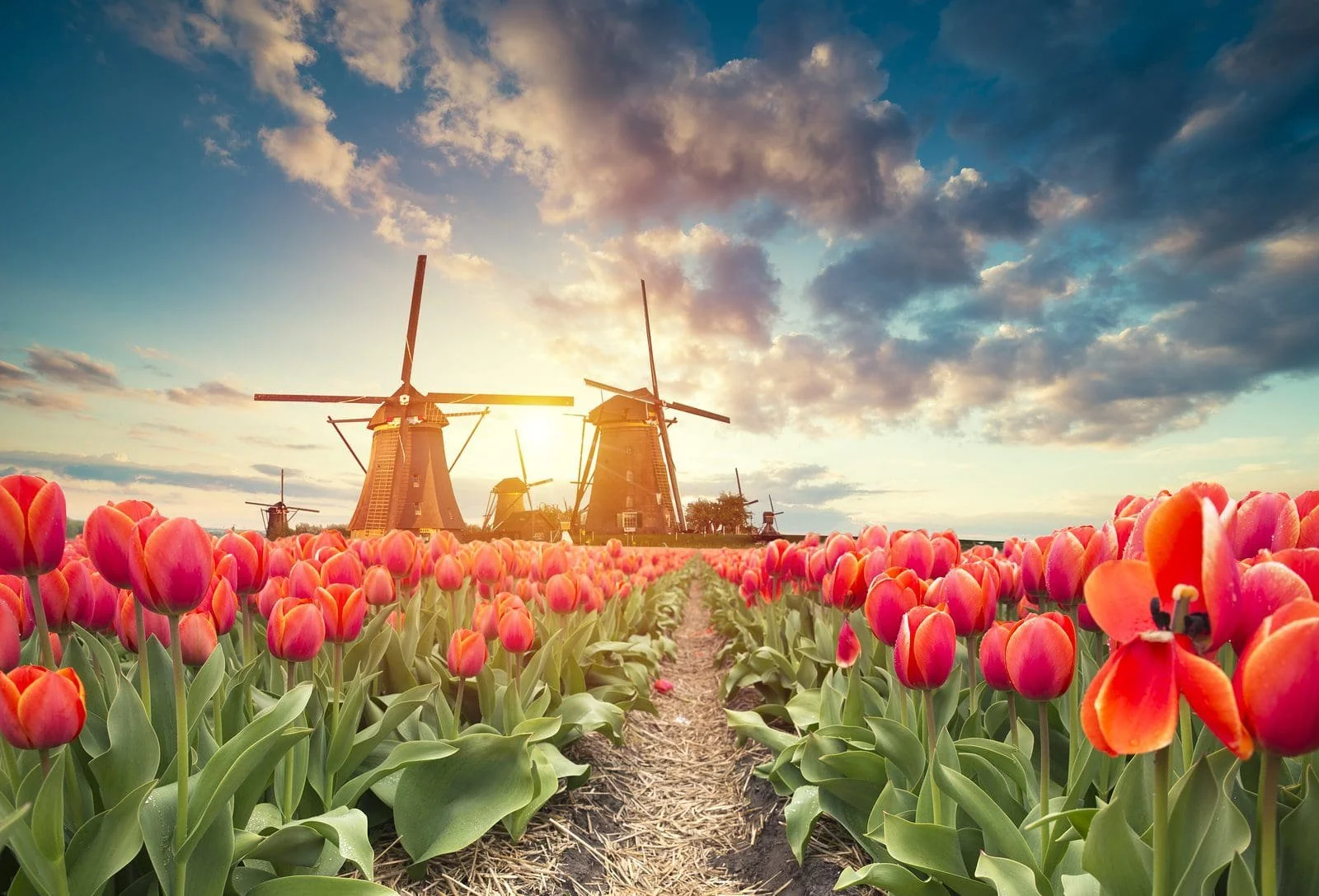
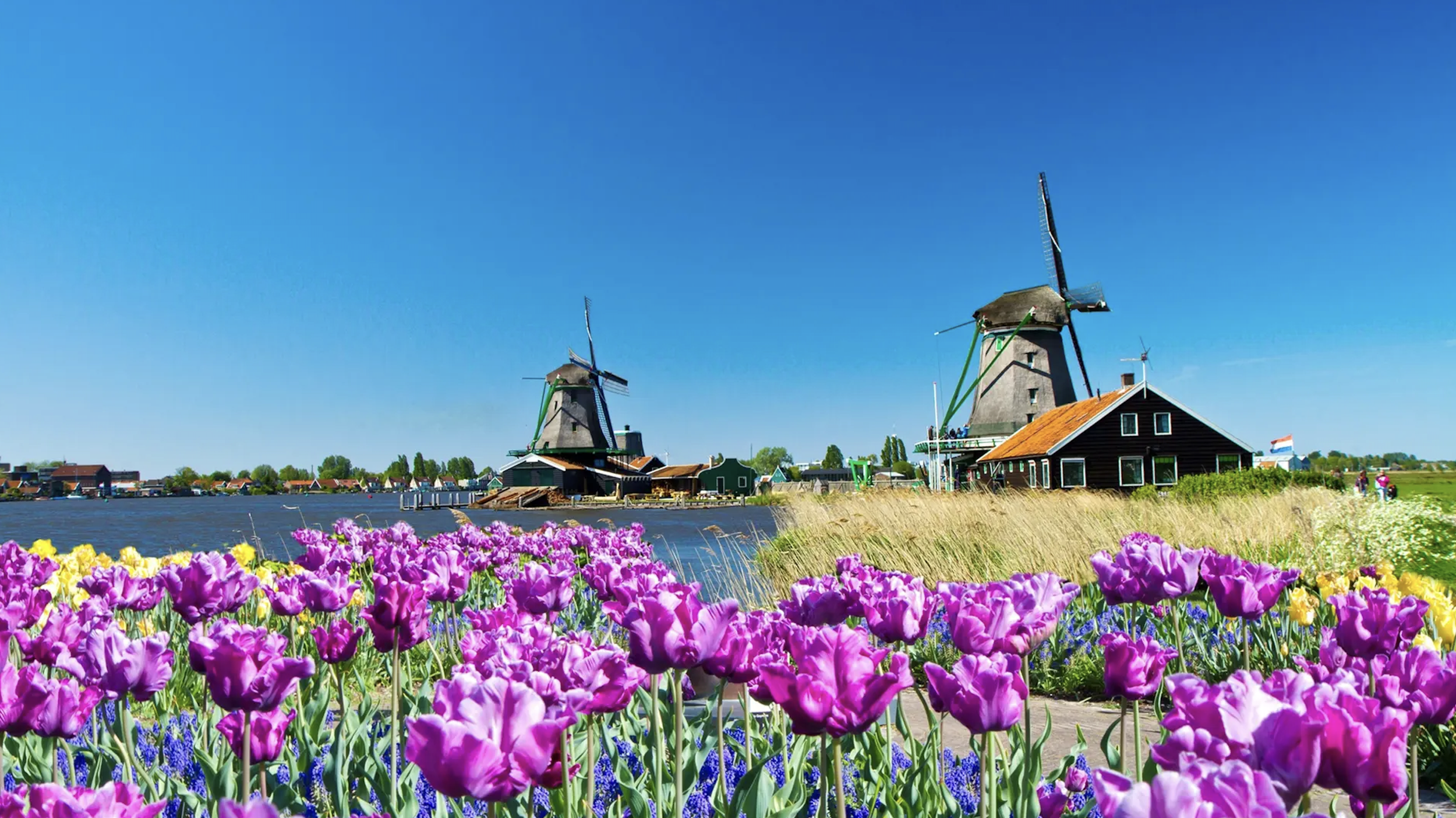
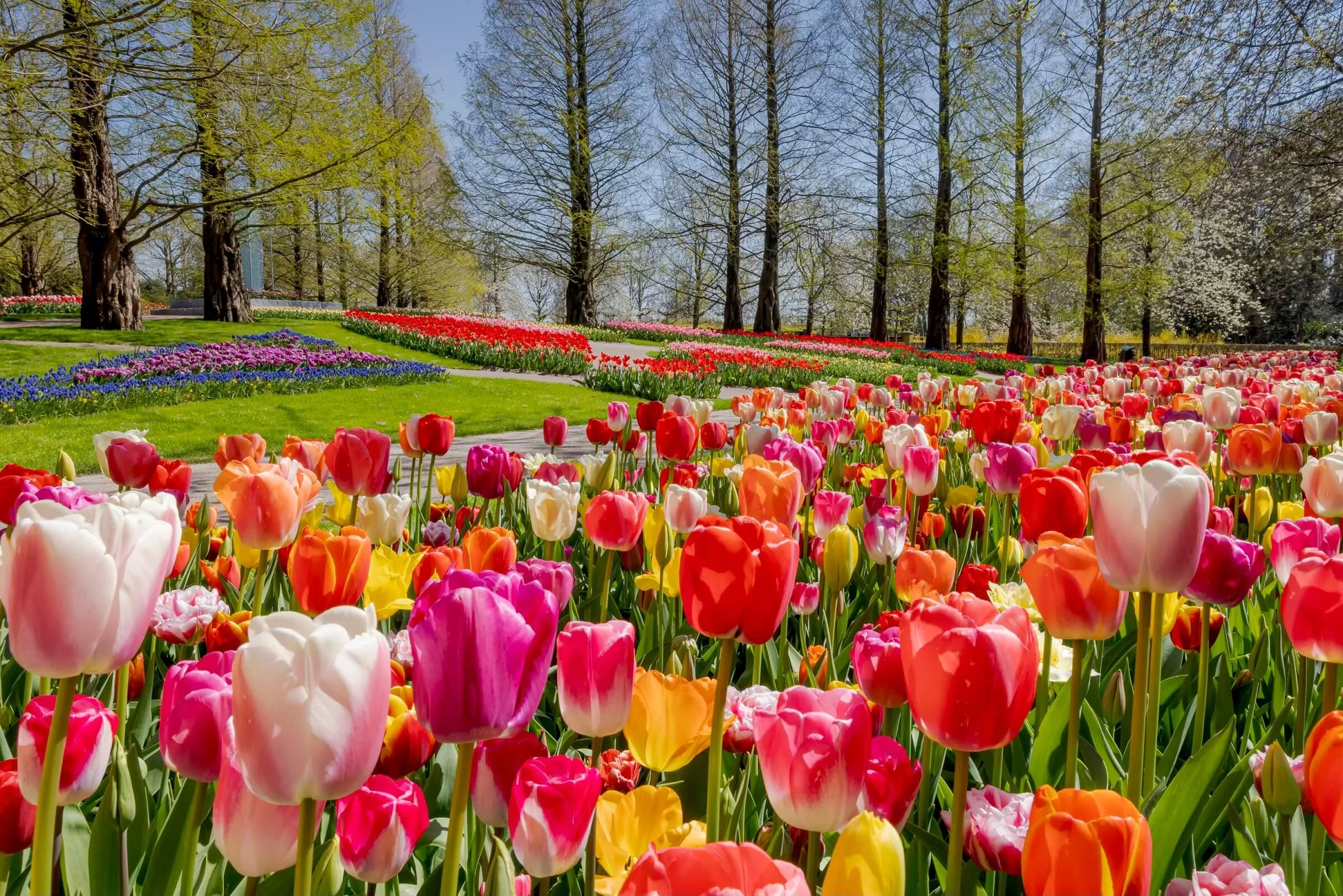
Spring transforms the Dutch countryside into one of the world's most spectacular displays of color. During our time in Amsterdam and the surrounding region, we experience the beauty that has made Holland synonymous with tulips for centuries. Introduced from the Ottoman Empire during the sixteenth century, tulips quickly became one of the defining symbols of the Dutch Golden Age. Today millions of blossoms blanket the countryside in vibrant reds, yellows, pinks, and purples, creating unforgettable landscapes enjoyed by visitors from around the world. Depending upon Viking's operating schedule, today's excursions may include the famous Keukenhof Gardens, where more than seven million flowering bulbs create one of Europe's most celebrated spring attractions.
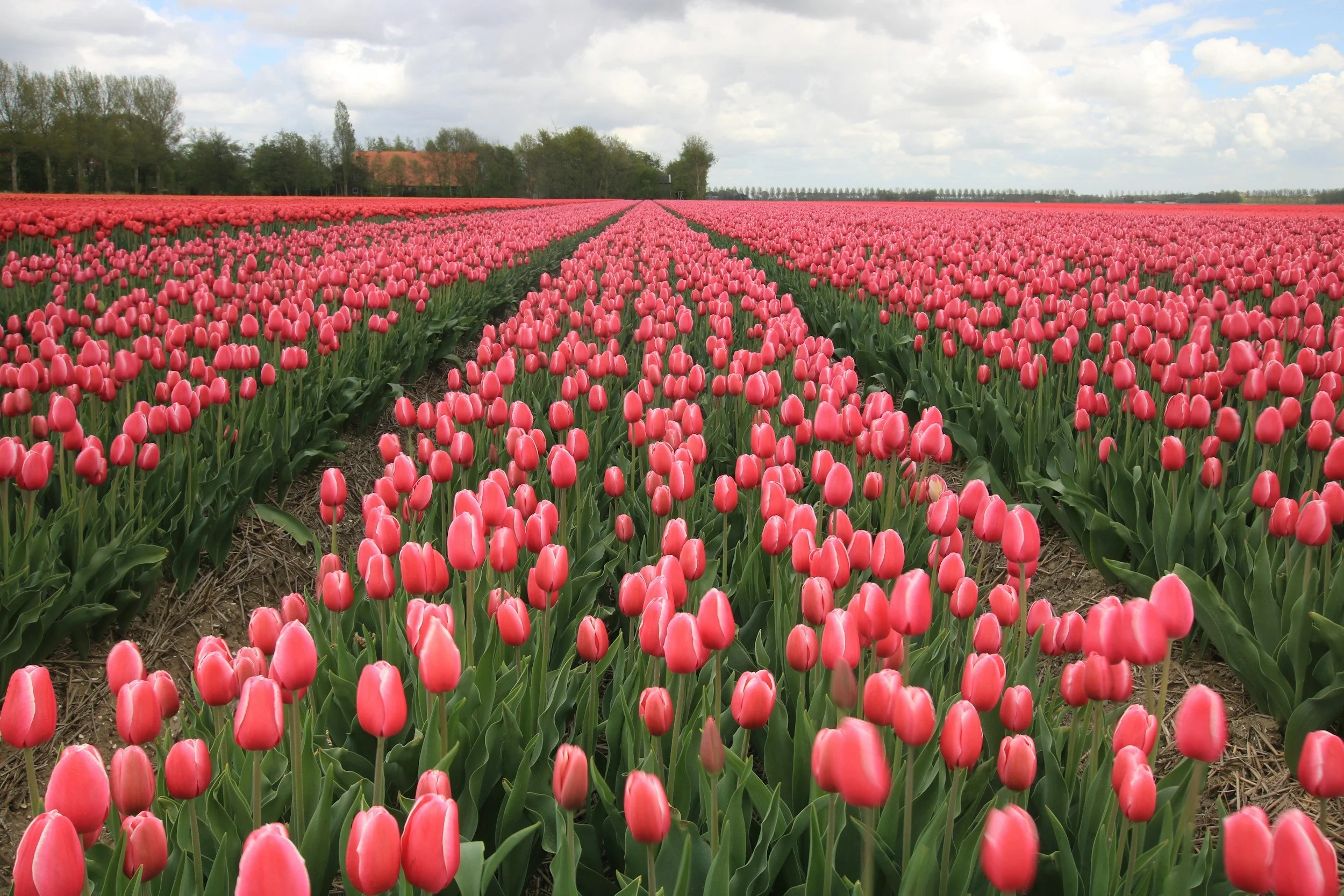
While tulips represent beauty and renewal, they also remind us of another remarkable flowering that occurred across Europe during this same era—the flowering of biblical scholarship. As flowers spread across the Dutch countryside each spring, so too did the printed Word of God begin spreading across Europe through newly invented printing presses, challenging centuries of religious tradition and transforming the Christian world.
Seeing His World Seminar Two (Time/Location TBD)
Erasmus and the Recovery of the New Testament
No individual did more to prepare the intellectual foundation for the Protestant Reformation than Desiderius Erasmus of Rotterdam. Although remaining within the Roman Catholic Church throughout his life, Erasmus challenged scholars to return to the original Greek text of the New Testament rather than relying solely upon the Latin Vulgate. His publication of the first printed Greek New Testament in 1516 became one of the most influential books in Christian history. During today's seminar, we'll explore how Erasmus' scholarship laid the textual foundation upon which Martin Luther, William Tyndale, and nearly every Protestant translator would build. Without Erasmus, the English Bible as we know it might never have existed.
Monday- March 20, 2028
Scenic Sailing on the Ijsselmeer & Enkhuizen
Today's voyage carries us across the Ijsselmeer, one of Western Europe's largest inland lakes. Once known as the Zuiderzee, this body of water connected prosperous Dutch ports with the North Sea, making it a vital artery for commerce and maritime trade. Along its shores prosperous cities flourished through fishing, shipbuilding, and international commerce, helping establish the Netherlands as one of Europe's leading economic powers. Our destination is the historic harbor city of Enkhuizen, a member of the Hanseatic League whose wealth and influence can still be seen in its beautifully preserved churches, defensive towers, and elegant merchant homes.
As we walk these historic streets, we are reminded that commerce often becomes an unexpected instrument in God's providence. The same merchant vessels that transported spices, textiles, grain, and luxury goods throughout Europe would eventually carry something even more valuable: books. Hidden among commercial cargo, thousands of New Testaments and Protestant writings crossed international borders, making it increasingly difficult for governments and church authorities to suppress the spread of biblical truth.
Seeing His World Seminar Three (Time/Location TBD)
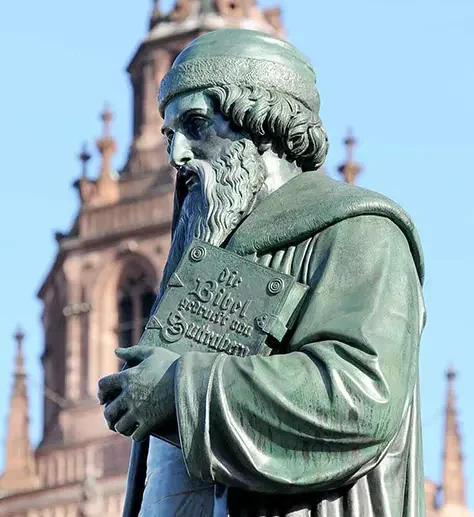
Gutenberg, Printing, and the Bible Revolution
The invention of Johannes Gutenberg's movable-type printing press stands among the most important developments in human history. Before printing, producing a single handwritten Bible required months of painstaking labor. After Gutenberg, thousands of copies could be produced with unprecedented speed and accuracy. Today's seminar examines how this revolutionary technology transformed education, literacy, scholarship, and ultimately Christianity itself. We'll discover why the printing press became the single greatest technological ally of the Protestant Reformation and how William Tyndale would later harness its power to place God's Word into the hands of ordinary English-speaking believers.
Tuesday- March 21, 2028
Nijmegen, The Netherlands
Nestled along the banks of the Waal River, Nijmegen proudly claims the distinction of being the oldest city in the Netherlands. Established as a Roman settlement nearly two thousand years ago, the city has witnessed the rise and fall of empires, the growth of medieval Europe, and the transformation of the Low Countries into one of the world's great centers of commerce and learning. Today its lively cafés, historic squares, and impressive churches blend seamlessly with reminders of its Roman heritage and its more recent role during World War II. As we explore this remarkable city, we walk through layers of European history that prepared the cultural landscape into which the Protestant Reformation would emerge.
Although Nijmegen itself is not directly associated with William Tyndale, it provides an ideal setting to examine one of the most significant intellectual movements in European history. During the fifteenth and sixteenth centuries, scholars increasingly questioned the reliance upon medieval traditions and sought to recover the original languages of Scripture. Universities, monasteries, and centers of learning across Europe became laboratories for a renewed study of Hebrew and Greek, laying the intellectual foundation for the Reformers who insisted that God's Word—not ecclesiastical tradition—must remain the ultimate authority for faith and practice.
Seeing His World Seminar Four (Time/Location TBD)
Returning Ad Fontes — "To the Sources"
The Protestant Reformation did not begin with Martin Luther posting ninety-five theses. Its roots reach back to the Renaissance humanists who challenged Europe to return to the original biblical texts. During today's seminar, we'll explore the philosophy of ad fontes—"to the sources"—and examine why recovering the Hebrew Old Testament and the Greek New Testament fundamentally changed biblical scholarship. We'll discuss how this movement influenced Erasmus, Luther, and ultimately William Tyndale, whose English New Testament became the first translation made directly from the Greek rather than the Latin Vulgate. Understanding this shift helps us appreciate why the Reformation was not merely a religious movement—it was a return to Scripture itself.
Wednesday- March 22, 2028
Kinderdijk, The Netherlands
No image is more closely associated with the Netherlands than the graceful windmills of Kinderdijk. Standing sentinel across the reclaimed polders of South Holland, these nineteen eighteenth-century windmills testify to centuries of Dutch ingenuity, perseverance, and determination. Built to manage the ever-present challenge of water, the windmills worked together with canals, dikes, and pumping systems to reclaim fertile farmland from the sea. Today Kinderdijk is recognized as a UNESCO World Heritage Site and remains one of the finest examples of hydraulic engineering anywhere in the world.
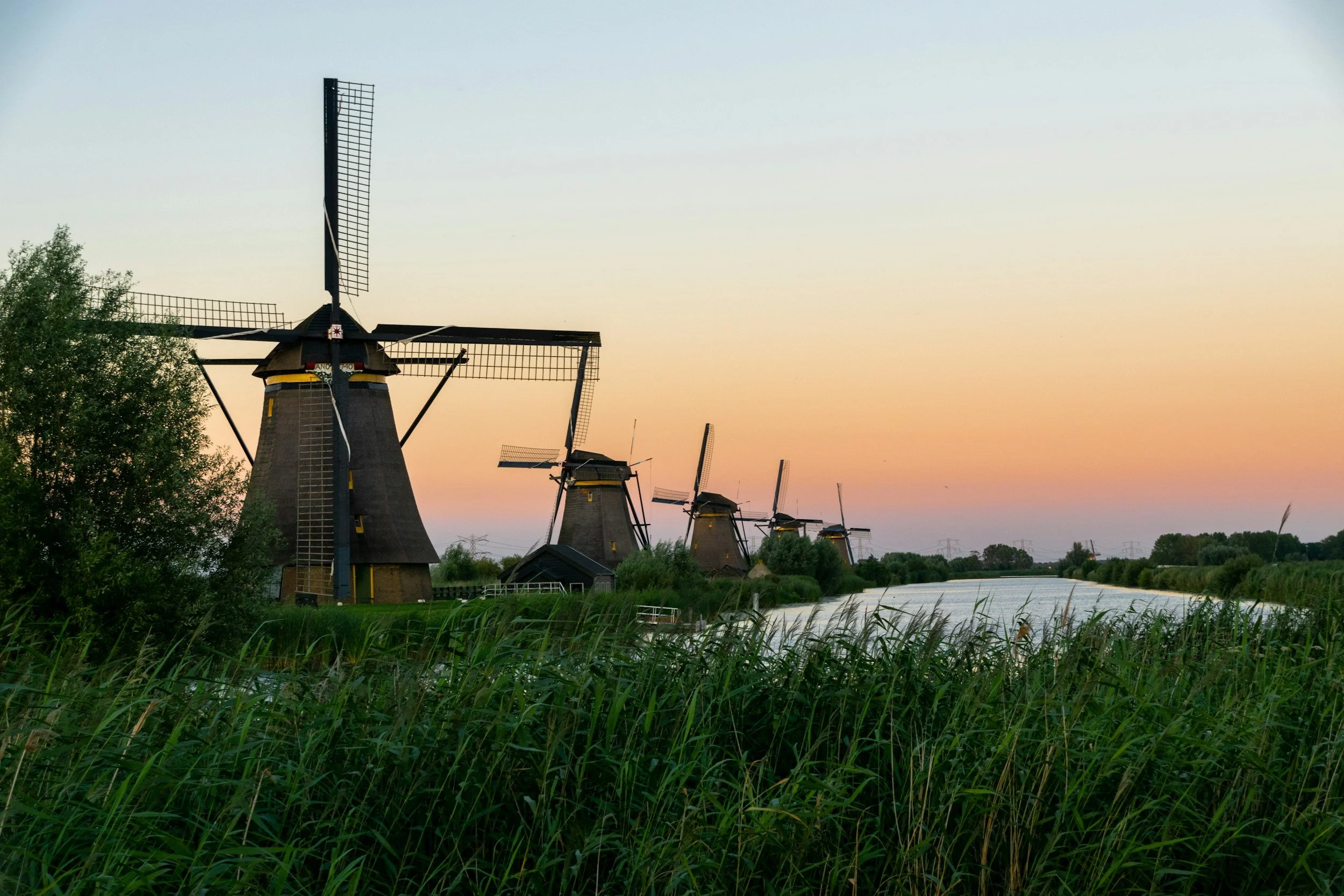
As we admire these remarkable structures, we are reminded that the Dutch people were not only masters of engineering but also pioneers in creating an environment where commerce, education, and religious diversity increasingly flourished. During the sixteenth and seventeenth centuries, the Low Countries became a refuge for thousands fleeing persecution elsewhere in Europe. Protestant refugees, printers, scholars, merchants, and Bible translators found opportunities here that were unavailable under the tighter control of neighboring kingdoms. The freedoms that gradually developed within the Dutch Republic would prove indispensable to the spread of Reformation thought and the preservation of God's Word.
Optional Bike Riding Excursion
Seeing His World Seminar Five (Time/Location TBD)
The Dutch Republic: A Refuge for the Reformation
Why did so many Reformers gravitate toward the Netherlands? During today's seminar, we'll examine the unique political and economic climate that distinguished the Dutch Republic from much of Europe. We'll explore how growing religious tolerance, thriving international trade, and the freedom of the press created ideal conditions for biblical scholarship and publishing. These developments allowed Protestant literature—and eventually English Bibles—to circulate with increasing freedom. As we continue our journey, we'll begin to see how God's providence used geography, politics, and commerce to accomplish purposes far greater than anyone living at the time could have imagined.
Thursday- March 23, 2028
Antwerp, Belgium
Our arrival in Antwerp marks one of the most significant destinations of our entire journey. During the sixteenth century, Antwerp stood among the wealthiest and most influential cities in Europe. Its magnificent harbor connected England with the Continent through an intricate network of merchant vessels carrying textiles, spices, precious metals, books, and ideas. Artists, bankers, scholars, printers, and merchants transformed Antwerp into one of the intellectual and commercial capitals of the Renaissance. Walking through its elegant Grote Markt, beneath the towering Cathedral of Our Lady, it is easy to understand why this remarkable city became a crossroads of European culture.
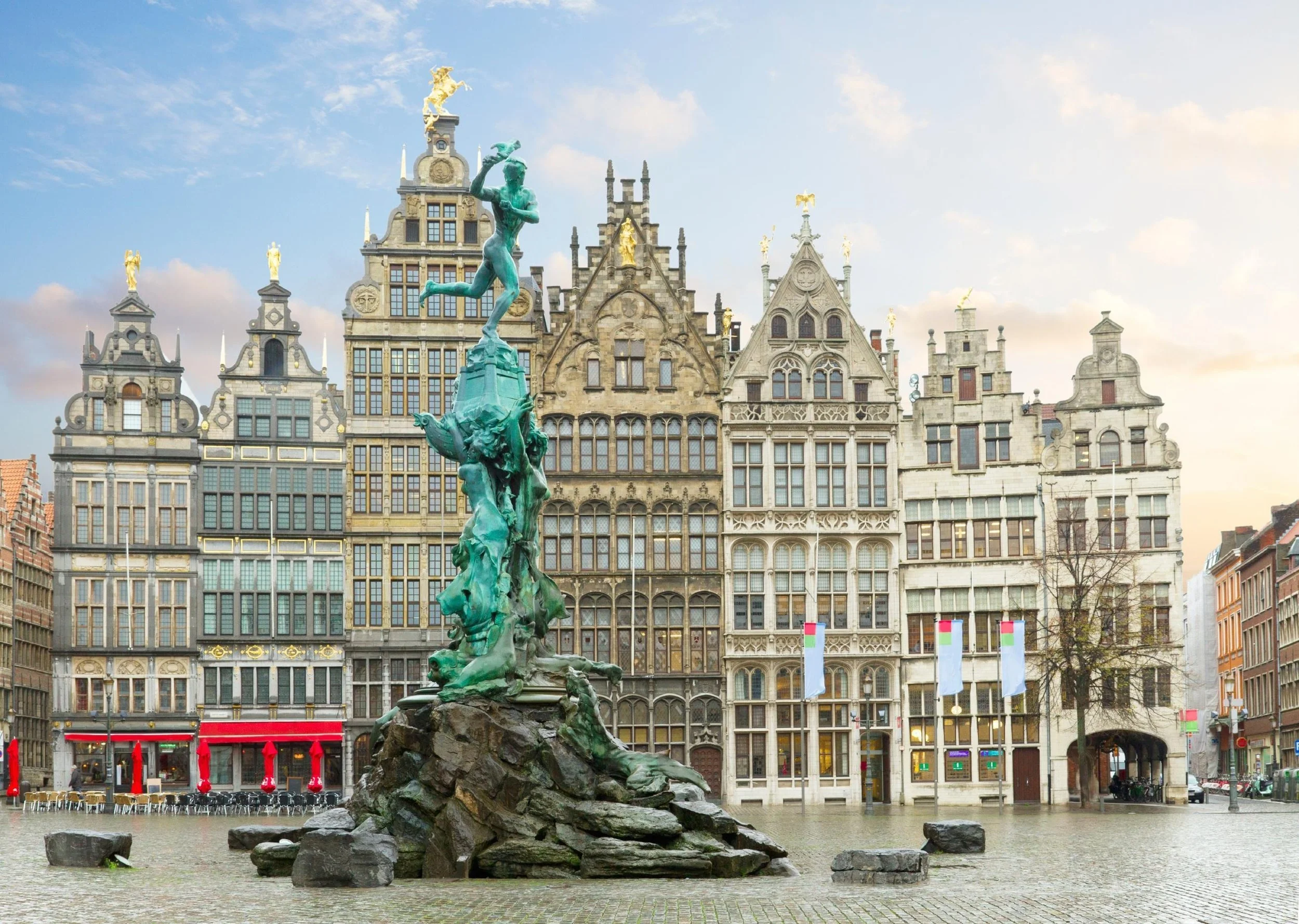
For students of biblical history, however, Antwerp represents something far more significant than commercial prosperity. Here, William Tyndale found both refuge and opportunity. Supported by members of the English Merchant Adventurers, he continued refining his English translation of Scripture while relying upon Antwerp's sophisticated printing industry to produce thousands of New Testaments. Hidden among shipments of cloth and commercial merchandise, these precious volumes quietly crossed the English Channel, placing God's Word into the hands of ordinary believers despite determined efforts by both church and crown to suppress them. Few cities illustrate more clearly how commerce became one of God's unexpected instruments in preserving and spreading His Word.
Seeing His World Seminar Six (Time/Location TBD)
William Tyndale and the English Bible
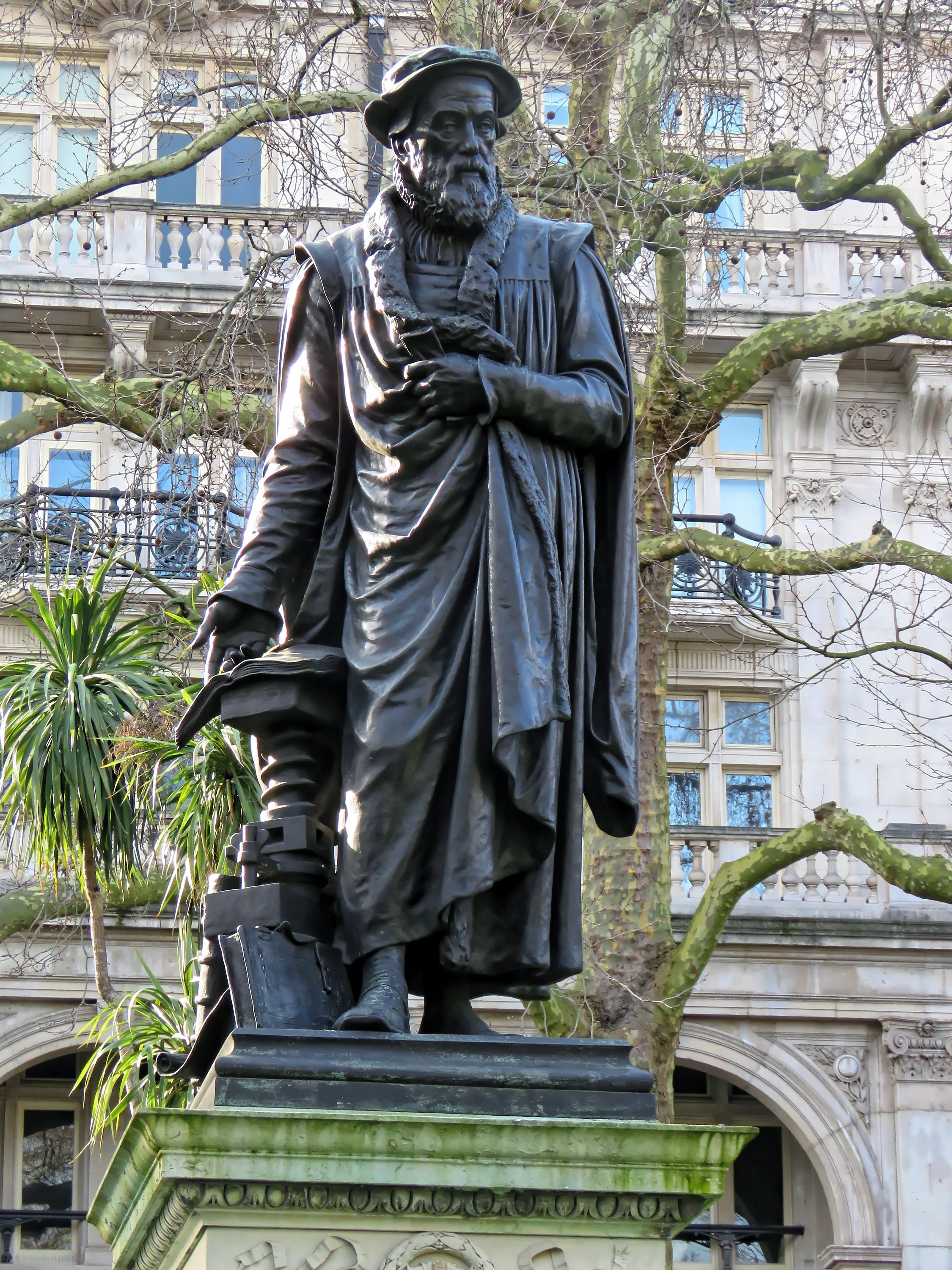
Today's seminar introduces one of the most courageous figures in Christian history. We'll trace William Tyndale's early education at Oxford and Cambridge, his growing conviction that every Christian should be able to read the Scriptures in his own language, and the circumstances that forced him to flee England in order to complete his life's work. We'll examine why translating directly from the Hebrew and Greek Scriptures challenged centuries of ecclesiastical tradition and why Tyndale ultimately became one of Europe's most wanted men. As we explore Antwerp today, we begin preparing for the culmination of our journey, when we will return after the cruise to walk the very streets where Tyndale lived, translated, and secretly advanced one of history's greatest publishing efforts.
Friday- March 24, 2028
Middelburg & Veere, The Netherlands
Today's journey takes us into the historic province of Zeeland, where picturesque coastal towns reflect centuries of maritime prosperity and Dutch resilience. Our first stop, Middelburg, flourished during the Dutch Golden Age as one of the Netherlands' most important commercial cities. Its magnificent Gothic Town Hall, medieval abbey complex, and the towering Lange Jan dominate the skyline, reminding visitors of the city's importance in both civic and religious life. Nearby Veere, once a thriving trading port, still preserves its historic harbor, cobblestone streets, and beautifully restored merchant buildings that speak of an era when commerce connected the nations of Europe.
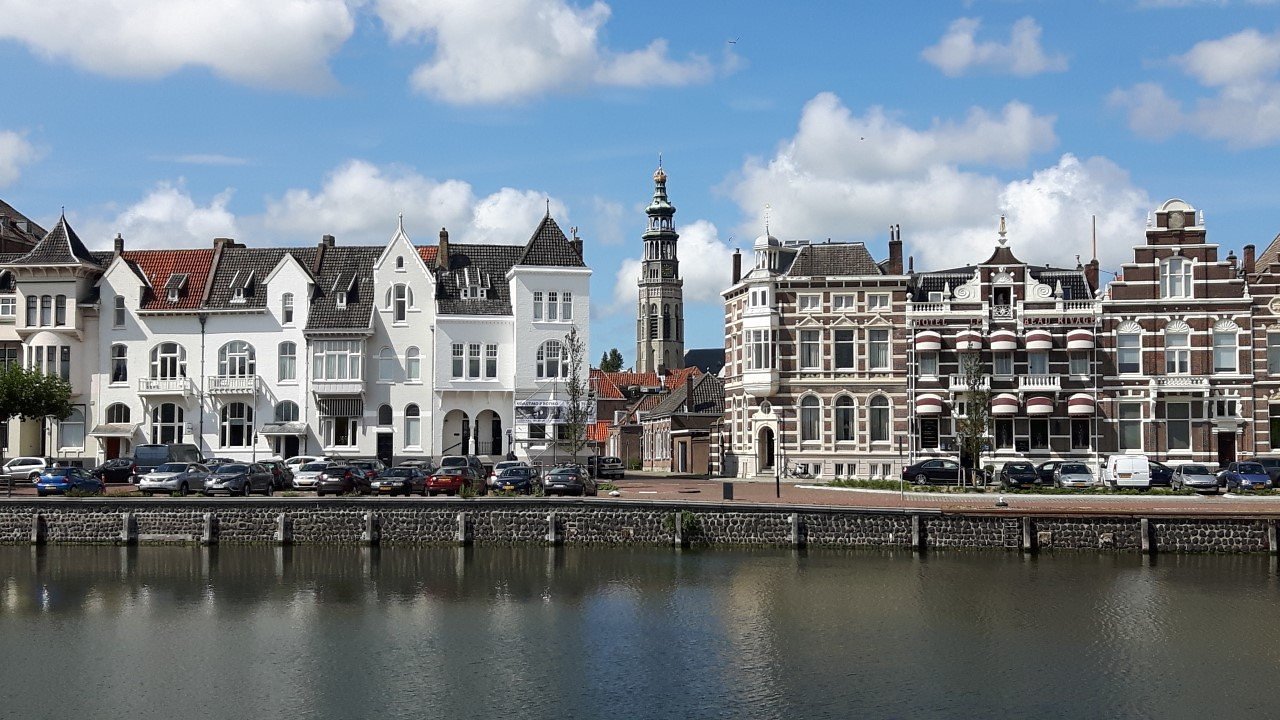
For centuries, the waters surrounding Zeeland served as one of Europe's busiest crossroads. Merchant ships arrived daily carrying wool, grain, spices, textiles, and countless other commodities between England and the Continent. Yet these same vessels unknowingly became instruments in one of history's greatest spiritual movements. As the Reformation spread across Europe, forbidden books, Protestant writings, and English New Testaments quietly traveled these sea lanes hidden among legitimate cargo. Governments could inspect ports, but they could never completely stop the movement of ideas carried by merchants determined to preserve and distribute the Scriptures.
Seeing His World Seminar Seven (Time/Location TBD)
The Sea Lanes of the Reformation
The Protestant Reformation spread not only through pulpits and universities but through Europe's vast commercial network. During today's seminar, we'll examine how international trade became one of God's providential tools for preserving His Word. We'll follow the remarkable journey of English New Testaments as they left the printing presses of Antwerp, crossed the waters of the Low Countries, and entered England concealed among bales of cloth and commercial merchandise. We'll also introduce the English Merchant Adventurers whose financial support and commercial connections enabled William Tyndale's work to continue despite intense persecution.
Saturday- March 25, 2028
Zeeland, The Netherlands
Few regions illustrate the relationship between the Dutch people and the sea more vividly than Zeeland. Its very name—"Sea Land"—reflects a landscape shaped by rivers, tides, dikes, and reclaimed farmland. For centuries the people of Zeeland battled the forces of nature, constructing an extraordinary system of embankments, canals, and flood defenses that transformed vulnerable marshes into productive farmland. This spirit of perseverance, independence, and innovation became one of the defining characteristics of the Dutch Republic and contributed to the emergence of one of Europe's most prosperous societies.
The same independent spirit that enabled the Dutch to master the sea also encouraged intellectual freedom, commercial enterprise, and religious diversity. As Protestant ideas spread throughout Northern Europe, many communities within the Low Countries became increasingly receptive to reform, allowing printers, scholars, merchants, and refugees to flourish. The preservation of God's Word depended not only upon courageous translators but also upon ordinary believers willing to risk their livelihoods to transport, finance, hide, and distribute the Scriptures throughout Europe.
Seeing His World Seminar Eight (Time/Location TBD)
Smuggling the Scriptures
Few people appreciate the enormous effort required to place an English Bible into the hands of an ordinary believer during the sixteenth century. Today's seminar explores the remarkable underground network that distributed Tyndale's New Testament throughout England. We'll examine the roles played by merchants, sailors, warehouse workers, booksellers, and ordinary Christians who risked imprisonment—or worse—to ensure that God's Word continued reaching those who longed to read it. We'll also discuss the determined efforts of church and crown to confiscate and destroy these "heretical" books, and why those efforts ultimately failed.
Sunday-March 26, 2028
Amsterdam, The Netherlands
As our Viking journey draws to a close, we return to Amsterdam, a city whose canals, elegant architecture, and vibrant cultural life beautifully reflect the prosperity of the Dutch Golden Age. During spring, colorful tulips transform parks, gardens, and surrounding fields into breathtaking displays admired throughout the world. Introduced into the Netherlands during the sixteenth century, tulips quickly became enduring symbols of Dutch identity, reminding us that beauty often flourishes where careful cultivation, patience, and vision come together.
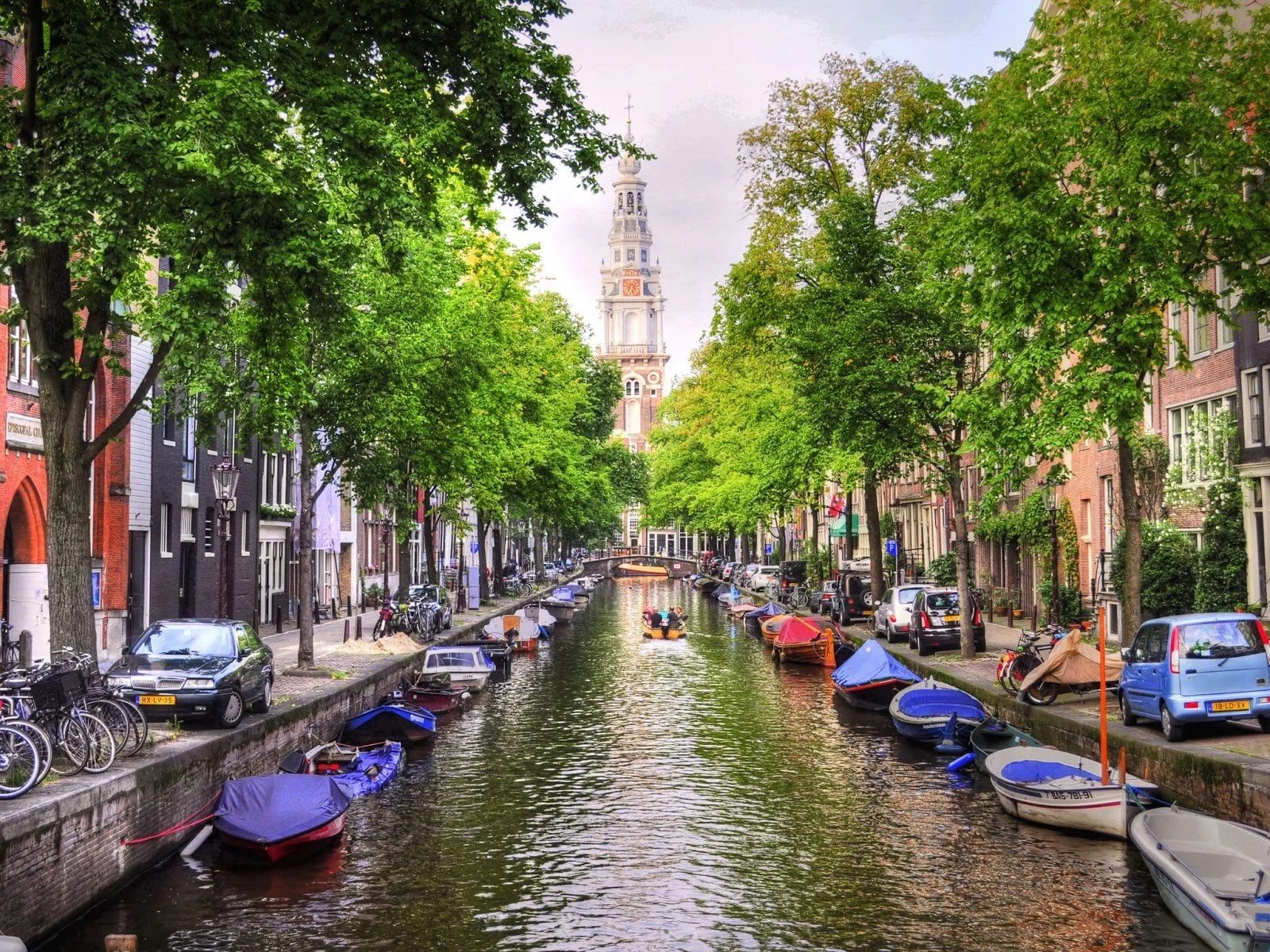
Yet our return to Amsterdam also provides an opportunity to reflect upon another remarkable flowering that transformed Europe during this same period. Within a single century, the Protestant Reformation reshaped theology, education, literacy, and biblical scholarship. The printing press placed the Scriptures into the hands of ordinary people, universities returned to the study of Hebrew and Greek, and courageous translators ensured that God's Word could be read in the language of the people. The seeds planted by Erasmus, Luther, Tyndale, and countless others would continue bearing fruit for generations to come.
Seeing His World Seminar Nine (Time/Location TBD)
The Legacy of William Tyndale
As our cruise concludes, we'll reflect upon the enduring influence of William Tyndale's life and work. Although executed as a heretic in 1536, Tyndale's translation survived every attempt to destroy it. His words would shape the Great Bible, the Geneva Bible, the Bishops' Bible, and ultimately the King James Version. It has been estimated that nearly eighty percent of the King James New Testament preserves Tyndale's original wording, making him one of the most influential writers in the history of the English language. We'll conclude by asking a simple question: How did one man, working largely in exile and ultimately giving his life for the Scriptures, permanently change the English-speaking world?
Sunday Worship Period (More Details to Follow)
The William Tyndale HERITAGE Journey
Windmills, Printing Presses, Historic Cities, Botanical Gardens, The Birth of the English Bible
March 27–30, 2028
Our Viking River Cruise may have come to an end, but our journey through the history of the English Bible is only beginning. During the past ten days we have explored the cultural, political, and religious forces that prepared Europe for the Protestant Reformation. We have traced the development of Renaissance scholarship, witnessed the revolutionary impact of the printing press, and discovered how God providentially used merchants, scholars, printers, and ordinary believers to preserve His Word.
Now we step beyond the classroom.
For the next four days we will walk the very streets where William Tyndale lived, translated the Scriptures, found refuge among fellow believers, and ultimately surrendered his life for the cause of biblical truth. This is far more than a sightseeing tour. It is an opportunity to stand where history happened and to gain a renewed appreciation for the tremendous sacrifice required to place God's Word into the hands of ordinary people.
Post-Cruise Day One
Monday- March 27, 2028
Amsterdam & Zaanse Schans
From Persecution to Freedom
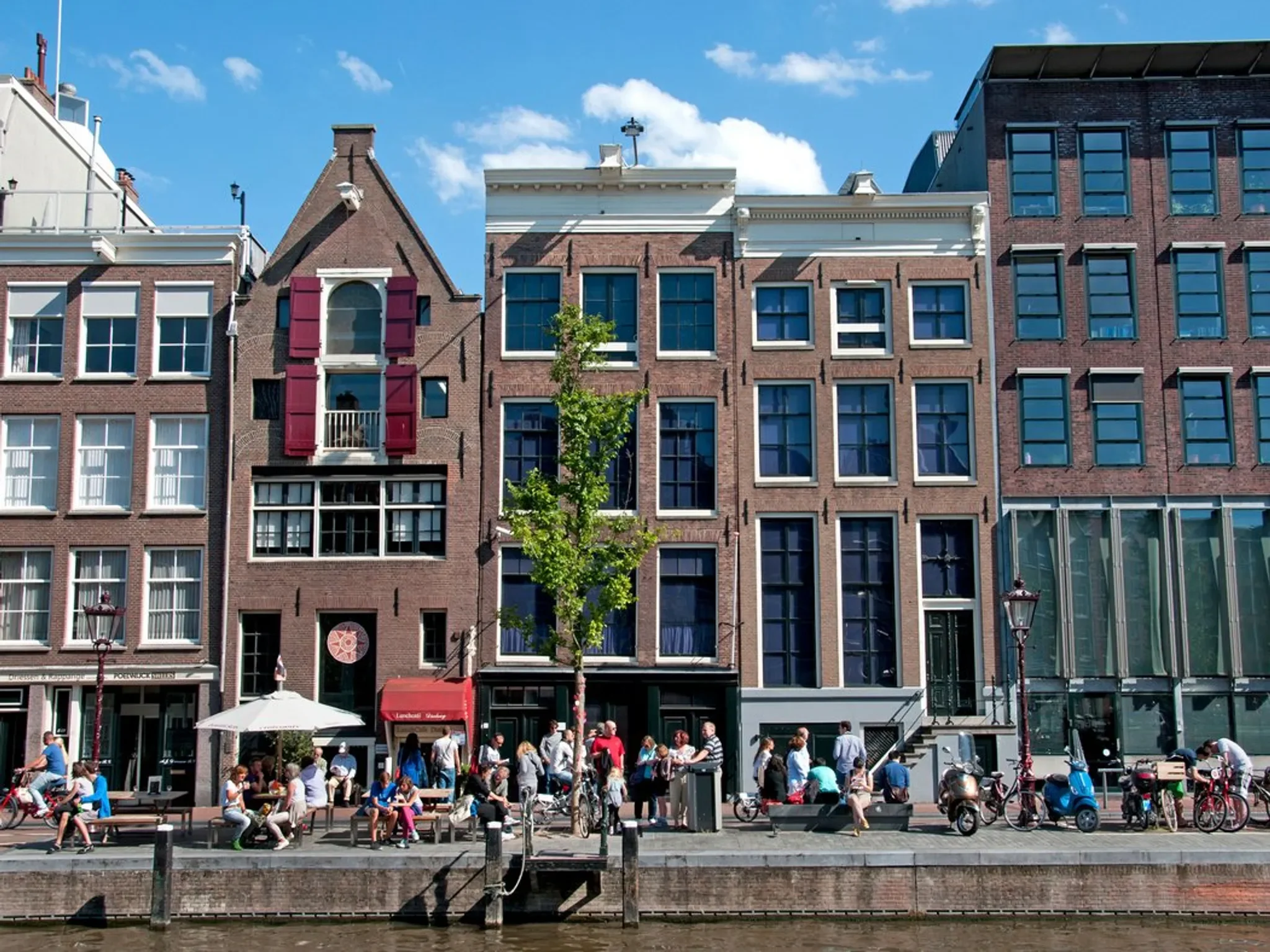
After disembarking from our Viking Longship, we remain in Amsterdam to begin the next chapter of our journey. Although our focus now turns to William Tyndale, we begin with another powerful story of courage under persecution—the Anne Frank House. Hidden behind the walls of a modest canal house, Anne Frank and her family spent more than two years in hiding during the Second World War before their eventual arrest and deportation. Walking through the Secret Annex serves as a sobering reminder that throughout history there have always been governments willing to suppress freedom of conscience and individuals willing to risk everything for their convictions. Though separated by four centuries, Anne Frank and William Tyndale remind us that truth often carries a great personal cost.
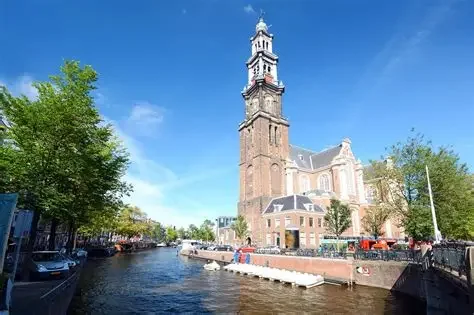
A short walk brings us to the magnificent Westerkerk, one of Amsterdam's most recognizable landmarks. Completed in 1631 during the Dutch Golden Age, its soaring tower overlooks the canal district and symbolizes the emergence of Protestant worship within the Netherlands following decades of religious upheaval. From there we continue through the charming Jordaan District, once home to artisans, merchants, refugees, and immigrants whose lives helped shape Amsterdam into one of Europe's most vibrant cities.
Our afternoon walking tour introduces us to the historic heart of Amsterdam. Standing in Dam Square, we examine the city's origins as a medieval trading settlement that grew into one of the world's greatest commercial capitals. Nearby, the Royal Palace reminds us of the political transformations that accompanied the Dutch Republic's rise to prominence, while the surrounding canal district reveals the prosperity generated through international trade during the seventeenth century. It was this combination of commerce, scholarship, and increasing religious liberty that made the Netherlands one of the most important centers for Protestant thought in Europe.
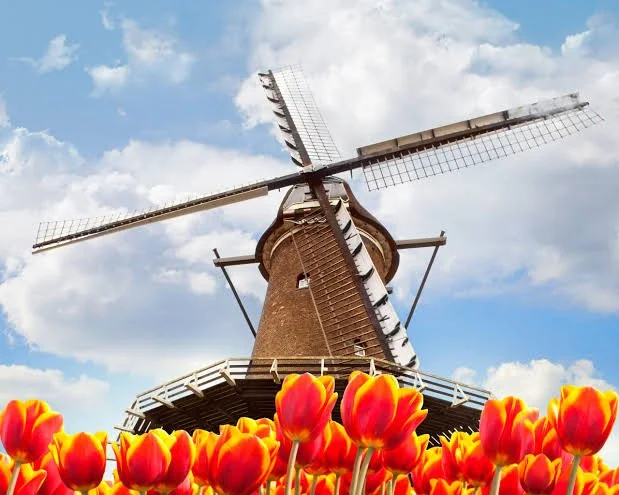
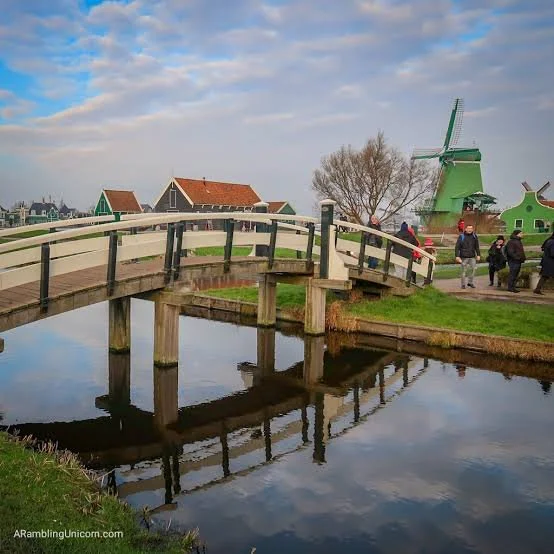
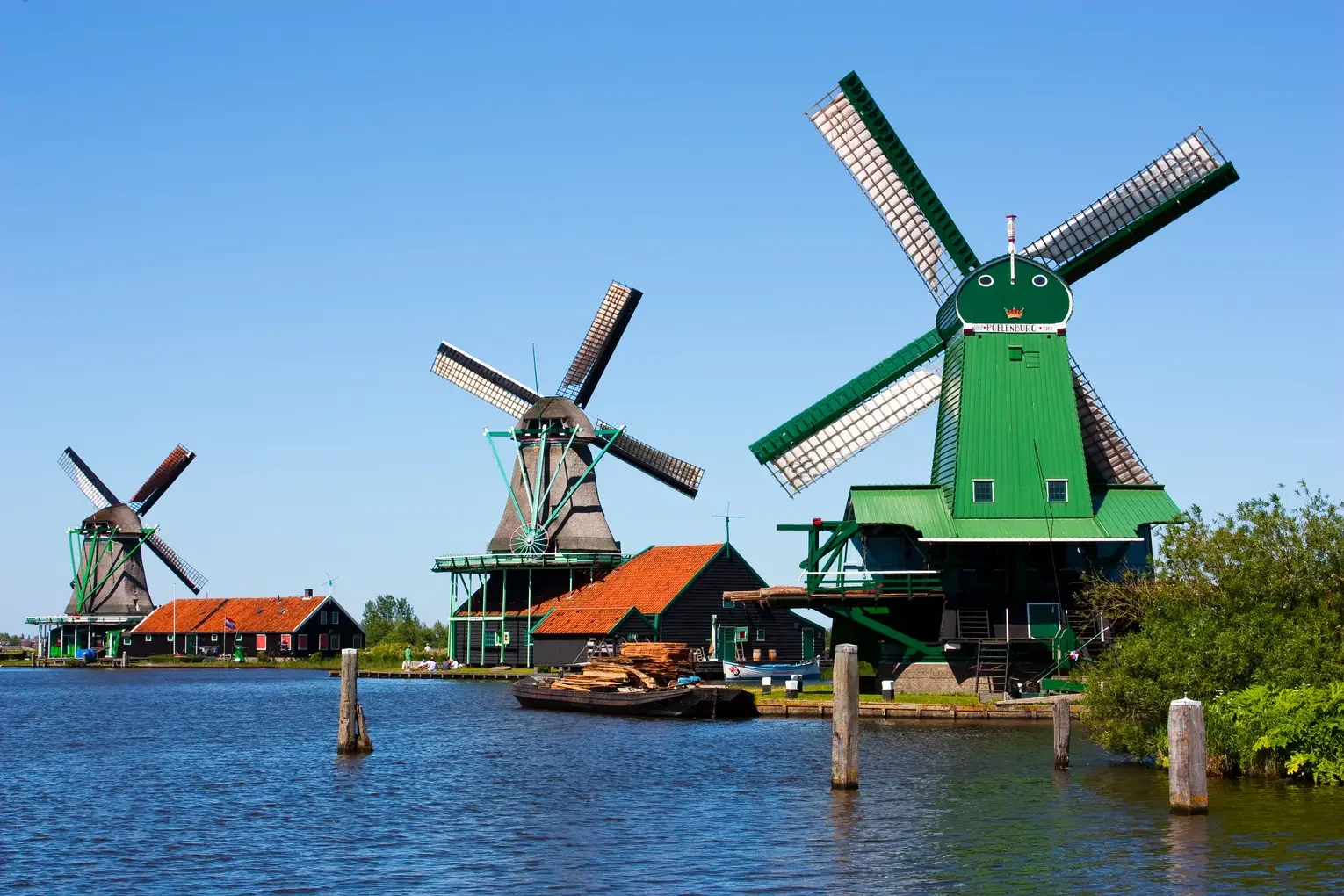
Later in the afternoon we travel north to the picturesque village of Zaanse Schans, one of the finest preserved historic communities in the Netherlands. Here beautifully restored windmills line the waterways, while traditional wooden homes, artisan workshops, cheese farms, and clog makers recreate daily life during the Dutch Golden Age. More than simply a charming destination, Zaanse Schans illustrates the remarkable prosperity that commerce and industry brought to the Dutch Republic. The same economic strength that built these communities also fostered an atmosphere where printing, scholarship, and religious discussion could flourish with increasing freedom.
As the sun sets over the windmills, we begin to appreciate why the Netherlands became fertile ground for the ideas of the Reformation. Tomorrow we will enter the city that became William Tyndale's adopted home and the birthplace of the English Bible.
Seeing His World Seminar Ten (Time/Location TBD)
Religious Liberty and the Dutch Republic
Today's seminar examines why the Low Countries became one of Europe's most important centers for religious freedom during the sixteenth century. We'll explore the Dutch Revolt against Spanish rule, the gradual emergence of Protestant influence, and the unique political climate that welcomed refugees, scholars, merchants, and printers from across Europe. We'll also discuss why this environment proved indispensable to the survival of William Tyndale's translation work and how God's providence used an entire nation to preserve His Word for future generations.
Post-Cruise Day Two
Tuesday- March 28, 2028
Antwerp, Belgium
The Birthplace of the English Bible
Today we return to Antwerp—not simply as visitors, but as students retracing one of the most remarkable chapters in Christian history. During our cruise we were introduced to Antwerp's importance as Europe's commercial and printing capital. Today we discover why this city became William Tyndale's home and the operational center of the English Bible movement.
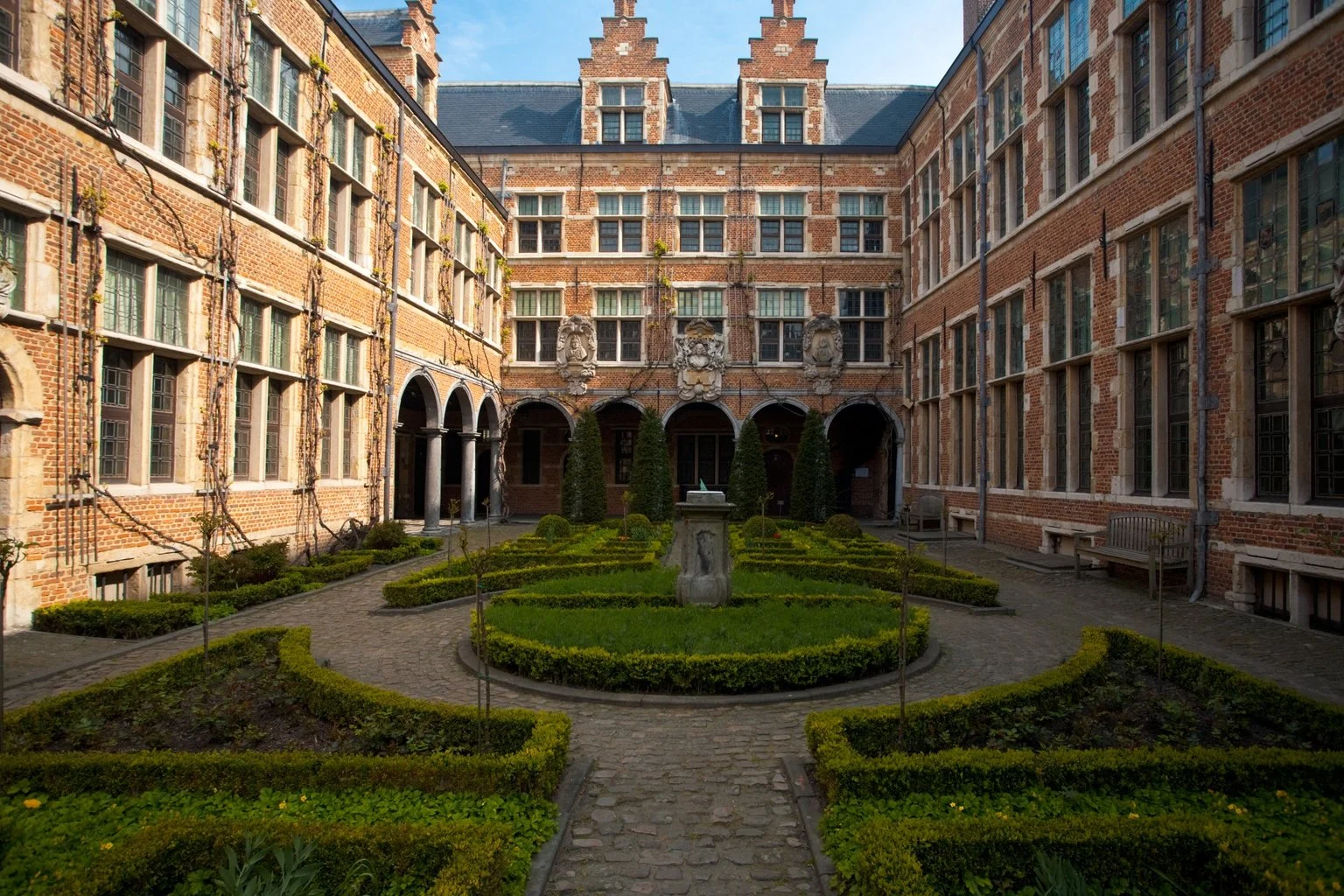
Our morning begins at the magnificent Plantin-Moretus Museum, the world's only UNESCO World Heritage museum dedicated entirely to printing. Although the famous Plantin Press flourished after Tyndale's death, it perfectly preserves the world in which he labored. Here we'll stand before original sixteenth-century printing presses, examine centuries-old movable type, and witness the painstaking process by which books—and eventually Bibles—were produced. As we walk through the workshops, composing rooms, and libraries, it becomes easy to imagine the tremendous effort required to produce every page of Scripture during the Reformation.
From there we enter the historic merchant quarter where English Merchant Adventurers established their businesses and where Tyndale found both friendship and financial support. These prosperous merchants recognized that translating the Scriptures into English was more than an academic exercise—it was a mission worthy of their resources and protection. Together we'll explore how commercial success became an unexpected instrument in God's providence as warehouses, docks, and shipping companies quietly became distribution centers for the English New Testament.
Throughout the afternoon we'll follow the streets Tyndale himself would have known. While many of the original buildings have disappeared beneath the centuries, the medieval street plan remains remarkably intact. Standing in the heart of old Antwerp, we'll imagine bales of English cloth arriving from London, printing presses working late into the night, and newly printed Testaments being carefully hidden among commercial cargo before beginning their dangerous journey across the English Channel.
Few places better illustrate the remarkable intersection of faith, scholarship, commerce, and courage. Here, away from England's authorities, William Tyndale completed much of the work that forever transformed the English-speaking world.
Seeing His World Seminar Eleven (Time/Location TBD)
Printing the Word of God
Today's seminar examines the extraordinary process of translating, printing, financing, and distributing the English Bible. We'll discuss the partnership between Tyndale and the English Merchant Adventurers, the technology of sixteenth-century printing, and the incredible risks assumed by printers, booksellers, merchants, and ordinary Christians who believed that everyone deserved access to God's Word. We'll also examine how thousands of English New Testaments reached England despite relentless efforts to confiscate and destroy them.
Post-Cruise Day Three
Wednesday- March 29, 2028
Vilvoorde & Leuven, Belgium
The Price of the English Bible
Today's journey is undoubtedly the emotional climax of our entire experience.
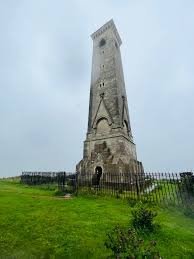
Leaving Antwerp, we travel a short distance to Vilvoorde, the quiet Belgian town where William Tyndale spent the final eighteen months of his life imprisoned for the "crime" of translating the Scriptures. It was here, within the walls of Vilvoorde Castle, that Tyndale awaited trial before being condemned for heresy.
Although the medieval prison no longer stands, the site remains one of the most sacred places in the history of the English Bible. Standing where Tyndale was confined, we'll read excerpts from his final prison letter—a deeply moving request for a warmer coat, additional clothing, a Hebrew Bible, Hebrew grammar, and dictionary so that he might continue translating Scripture during the cold winter months. Even while awaiting execution, Tyndale's greatest desire remained the study and translation of God's Word.
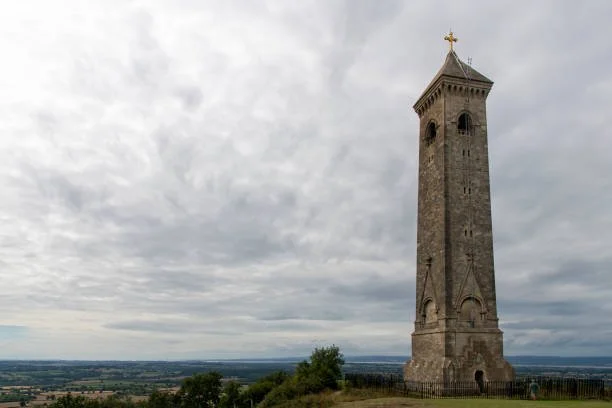
Nearby we'll visit the William Tyndale Memorial, where we'll reflect upon the events of October 6, 1536. Condemned by ecclesiastical authorities, Tyndale was strangled before his body was burned at the stake. His final recorded prayer continues to inspire Christians around the world:
"Lord, open the King of England's eyes."
Within only a few years, that prayer began to be answered as authorized English Bibles increasingly appeared throughout England, many relying heavily upon Tyndale's own translation.
Following this profoundly moving experience, we continue to the historic university city of Leuven. Home to one of Europe's oldest universities, Leuven played a significant role in Renaissance scholarship and biblical studies. As we stroll through the magnificent Grote Markt, admire St. Peter's Church, and wander the beautiful university district and botanical gardens, we'll encounter another side of Reformation history—the world of scholars, professors, and students whose debates reshaped Europe forever.
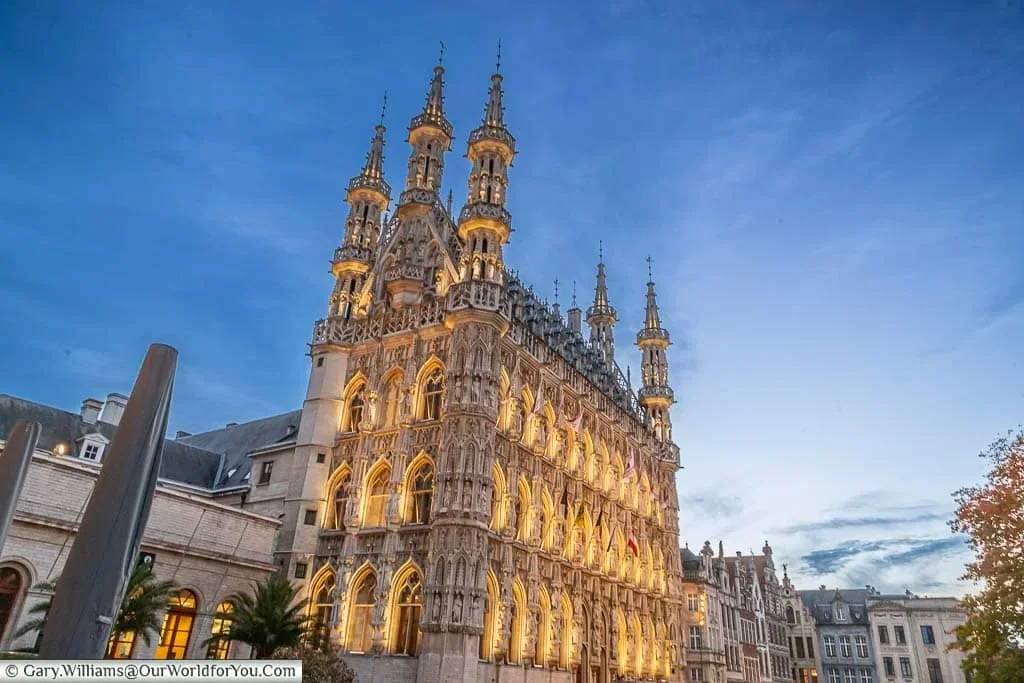
This evening we gather for our farewell dinner, reflecting upon the extraordinary story we have followed from Amsterdam to Antwerp, from printing press to prison cell, and from persecution to the enduring triumph of God's Word.
Seeing His World Seminar Twelve (Time/Location TBD)
The Legacy of William Tyndale
Our concluding seminar considers one of history's greatest legacies. Although William Tyndale never lived to see an authorized English Bible, his life's work became the foundation for nearly every English translation that followed. It has often been observed that much of the language later immortalized in the King James Version first flowed from Tyndale's pen. We'll examine his lasting influence upon biblical translation, the English language, and the Protestant Reformation before concluding with a challenge to treasure the privilege of reading God's Word—a privilege purchased through the sacrifice of faithful men and women who refused to let the Scriptures remain inaccessible to the common believer.
Post-Cruise Day Four
Thursday- March 30, 2028
Brussels • Departure/ Fly Home
Our unforgettable journey through the lands of the Reformation comes to a close today as we transfer to Brussels Airport (BRU) for our return flights home.
Because our post-cruise extension concludes in Brussels, participants are encouraged to arrange their international departure from Brussels. However, for those who prefer to fly from Amsterdam, convenient high-speed rail service connects Brussels and Amsterdam in approximately two hours, making Amsterdam Schiphol Airport (AMS) an easy alternative for return flights. Direct Eurostar service typically completes the journey in about 1 hour and 50 minutes, while other direct rail options generally take around two to two-and-a-half hours.
As you journey home, we hope you leave with far more than photographs and memories. Over the past two weeks, you have walked the streets where William Tyndale lived, explored the cities that nurtured the Protestant Reformation, stood where the English Bible was printed and secretly distributed, and reflected at the place where Tyndale ultimately gave his life for the conviction that every person should have access to God's Word.
Post-Cruise Reformation Experience
Package Includes
3 nights' hotel accommodations (with breakfast daily) at the hotels listed in the itinerary, or similar accommodations of equal quality, subject to availability at the time of deposit.
Private deluxe motorcoach transportation throughout the post-cruise extension, including all sightseeing and transfers outlined in the itinerary. The order of visits may be adjusted as necessary due to operational or logistical considerations.
Admission to all scheduled sites and attractions, including:
Zaanse Schans (historic windmills, cheese farm, clog-making demonstration, and artisan village)
Plantin-Moretus Museum
William Tyndale Memorial Site
All additional attractions listed in the itinerary
Professional local guides where required, along with all scheduled educational presentations led by Dr. Jonathan Moore as part of the Seeing His World experience.
Skip-the-line admission whenever available. Please note that security screening and mandatory entrance procedures may still require brief waiting periods.
Daily breakfast
All applicable taxes, service charges, and government fees in effect at the time of confirmation. Any increases in city taxes, coach permits, admission fees, or other government-imposed charges occurring after confirmation may result in a supplemental charge prior to departure.
**Admission to the Anne Frank House is not included in the package price and is subject to ticket availability. Because the Anne Frank House does not offer advance group reservations, tickets must be purchased individually when they become available. We will make every effort to secure tickets for the group, with the current estimated admission cost being €20 per person.
Not Included
Admission to the Anne Frank House (tickets are purchased separately, subject to availability; currently estimated at €20 per person)
Airfare and Viking cruise fare
Meals, except those specifically listed in the itinerary
Gratuities for drivers, local guides, hotel staff, and other service personnel
Travel authorizations (ETA/ETIAS), visas, passports, and any applicable entry, exit, or border fees
Personal expenses, including optional activities, beverages, laundry, telephone charges, and travel insurance
Pricing
Reserve Your Stateroom Today!
This popular Viking River Cruise is expected to sell out approximately 11–12 months prior to departure. To ensure the best selection of staterooms and secure your place on this unforgettable educational journey, we encourage you to reserve early.
Exclusive group pricing for this departure is available for a limited time and may be booked ONLY through Adventure Therapy Travel.
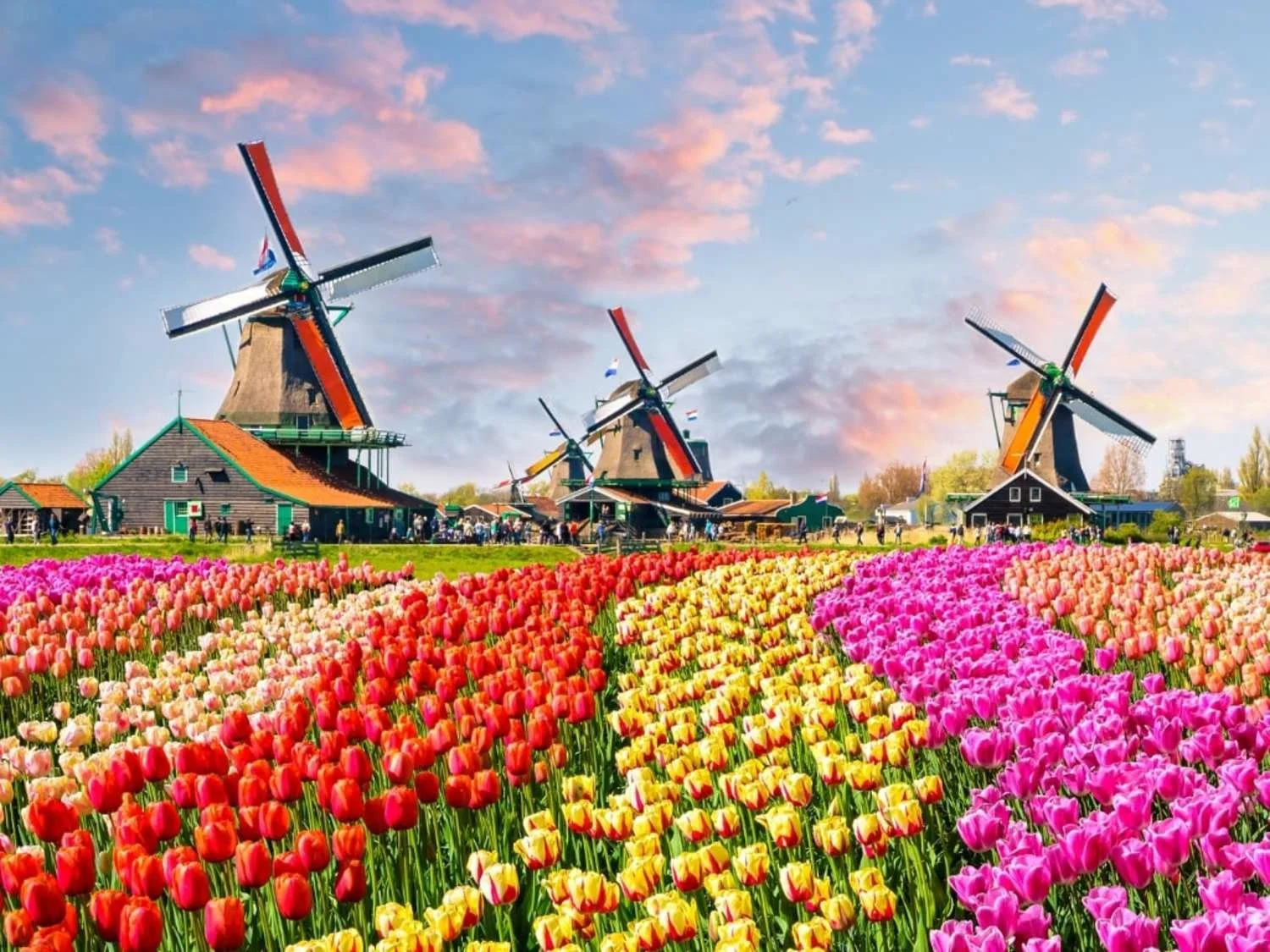
Secure your place aboard the beautiful Viking Gefjon and experience the breathtaking Keukenhof Tulip Festival, charming Dutch villages, and an extraordinary journey through the history of the English Bible and the Protestant Reformation.

Contact for Booking
Rebecca "Susan" Kennon, CTA
Co-Owner & Travel Advisor
Adventure Therapy Travel
Phone: (606) 407-3172
Website: www.adventuretherapytravel.com
Special group pricing for this Seeing His World departure is available exclusively through Adventure Therapy Travel.
10-Day Viking River Cruise Pricing
(Per Person – Double Occupancy)
Stateroom Category Price
Category F – Standard $2,874 pp
Category E – Standard $2,974 pp
Category D – French Balcony $3,374 pp
Category C – French Balcony $3,474 pp
Category B – Veranda $3,674 pp
Category A – Veranda $3,874 pp
Seeing His World Educational Seminar Course Fee
$300 per person
This fee includes the complete Seeing His World educational program, including presentations, lectures, course materials, and on-site teaching throughout the trip.
Because the seminar fee is paid through Moore Discipleship Missions, a registered 501(c)(3) nonprofit organization, this fee qualifies as a charitable tax deduction. Please consult your tax advisor regarding your individual tax situation.
Optional Post-Cruise Reformation Experience
$1,500 per person (Double Occupancy)
Continue your journey with a four-day educational extension featuring the Anne Frank House, the historic windmills of Zaanse Schans, Antwerp, Vilvoorde, Leuven, and exclusive Seeing His World presentations exploring the life of William Tyndale and the birth of the English Bible.
(See "Package Includes" and "Not Included" for complete details.)
Guided by

Dr. Jonathan Moore
Dr. Jonathan Moore is a part-time physician and former founder of Cumberland Foot & Ankle Centers of Kentucky. He holds master’s degrees in Education and Bible, as well as a Ph.D. in Old Testament. He serves as adjunct faculty in the Freed-Hardeman University School of Theology, where he teaches archaeology and biblical history.
Founder of Seeing His World, Moore has traveled extensively with his family throughout the biblical world, including Israel, Egypt, Turkey, Italy, and the Mediterranean. Several times each year, he leads immersive Bible-land experiences designed to help Christians encounter Scripture within its geographical, historical, and archaeological settings.
Moore also established the Seeing His World Video project and is an active contributor to both medical and biblical publications, including Bible and Spade and Apologetics Press.
Jonathan and his wife, Kim, have three children- Gabrielle, Audrey, and Jonathan, and three grandchildren: Phoebe, Gally, and Phillip.